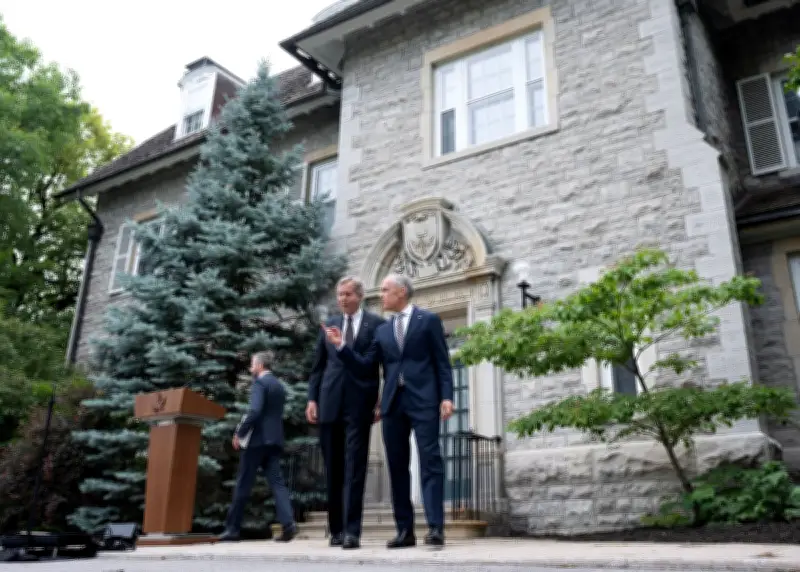
Mark Carney, the former governor of the Bank of England and the Bank of Canada, has officially entered the race to become the next leader of Canada's Liberal Party, positioning himself as a potential successor to Prime Minister Justin Trudeau. The announcement, made on June 26, 2026, in Ottawa, marks Carney's first foray into electoral politics after a distinguished career in central banking and finance.
Carney's Platform and Background
Carney, 61, is widely respected for his role in steering the UK economy through the aftermath of the 2008 financial crisis and the uncertainty of Brexit. He has emphasized economic renewal, climate action, and fiscal responsibility as cornerstones of his campaign. In his announcement speech, Carney stated, "Canada needs a leader who understands the global economy and can bring people together to tackle the challenges of our time."
He has never held elected office, which some critics see as a weakness, but his supporters argue that his technocratic expertise is precisely what Canada needs to navigate complex economic headwinds. The Liberal Party leadership race is expected to conclude in late 2026, with the winner becoming prime minister if the party retains power in the next general election.

Reactions and Implications
Carney's entry reshapes the Liberal leadership contest, which already includes several cabinet ministers and backbench MPs. Political analysts note that Carney's international stature could help the Liberals appeal to centrist voters and business leaders. However, his lack of political experience may be a liability in a campaign against the Conservative Party, which has criticized him as an "elitist banker."
The announcement has drawn mixed reactions from within the party. Some Liberals welcome his fresh perspective, while others worry about his ability to connect with grassroots supporters. According to a recent poll by Abacus Data, Carney trails behind leading contenders like Deputy Prime Minister Chrystia Freeland in initial voter intentions but holds strong support among higher-income and urban voters.
Next Steps
The Liberal Party has set a deadline for leadership candidates to register by August 2026, with a leadership vote scheduled for November. Carney will need to secure signatures from at least 300 party members and pay a C$75,000 entry fee. His campaign team, led by veteran strategist David Herle, plans to focus on digital outreach and town halls across the country.
If successful, Carney would become the first prime minister in Canadian history with a background solely in central banking, a prospect that has sparked debate about the role of technocrats in democratic politics.