Forgotten Manchester Constituency Poised to Transform British Politics
A pivotal by-election scheduled for next Thursday in the Gorton and Denton constituency of Greater Manchester could potentially mark a significant turning point in the political landscape of the United Kingdom. This contest is unfolding as a microcosm of national discontent, with traditional party loyalties being tested and new political forces emerging.
A Constituency of Stark Contrasts
The Gorton and Denton seat is a study in contrasts, effectively representing two distinct halves of modern Britain. The Gorton side, located within Manchester city boundaries, is characterized by its diverse, youthful suburbs with substantial student and Muslim communities. In sharp contrast, Denton, situated in the borough of Tameside, is a predominantly white, working-class post-industrial town where over 90 percent of residents are white. Once thriving with textile mills and coal mining, Denton has experienced the harsh realities of deindustrialization that have affected numerous towns across the northwest.
Despite their differences, these neighboring areas collectively form one of the country's most deprived parliamentary constituencies, ranking 15th nationally. Both communities share a palpable sense of disappointment that borders on anger regarding their circumstances and political representation.
Disillusionment with Labour's Leadership
This by-election could have profound implications for Prime Minister Sir Keir Starmer's leadership and the future composition of British politics. Historically, this constituency and its predecessors have been steadfast Labour strongholds, maintaining their loyalty even during the 2019 general election when Boris Johnson's Conservatives made significant inroads into the so-called Red Wall with promises to deliver Brexit.
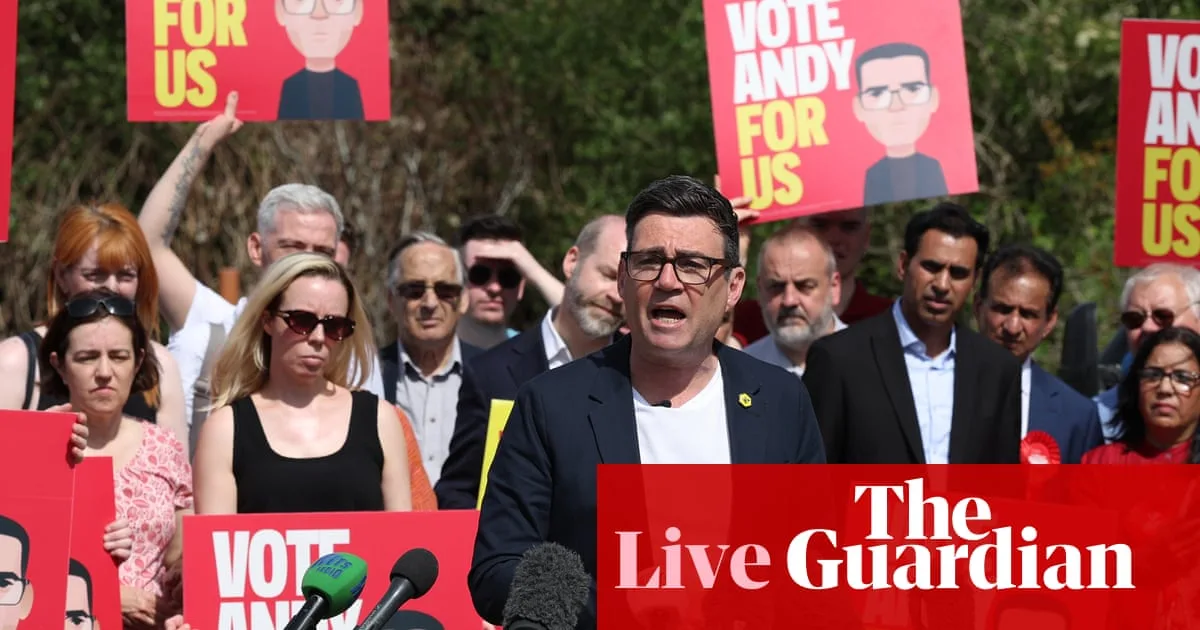
However, current sentiment suggests this loyalty is fraying. Voters interviewed by The Independent expressed profound disappointment with Starmer's government, feeling abandoned by a party they have consistently supported. The decision to block popular Greater Manchester Mayor Andy Burnham from standing as the Labour candidate has particularly damaged the party's standing locally.
Muhammed Basharat, a 61-year-old taxi driver from Levenshulme in Gorton, stated he plans to vote for the Green Party due to his dissatisfaction with Labour. "They let down many people - the tax rises, they cut benefits, there are many things they are doing," he explained. "The people are not happy. You speak to people in the street, the British people they're not happy with them."
Caterina Pandolfo, a 65-year-old mobile hairdresser, echoed this sentiment, describing a feeling that Gorton and Denton had been "forgotten" and that conditions had deteriorated. While she had hoped a Labour government would address these issues, she expressed disappointment with Starmer's performance.
Traditional Voters Abandoning Labour
In Denton, lifelong Labour supporters John Harrison, 71, and his wife Sheila, 69, have decided they will not vote for the party again. Sheila described Britain as "broken" and stated that Starmer does not represent towns like hers, though she would have supported Andy Burnham. John pointed to broken promises, saying, "Labour isn't really doing what you know they said that it was going to do in the manifesto." Both indicated they would have been more likely to support Burnham, whom they view as more personable and better connected to northern voters than the "aloof" Starmer.
The Rise of Alternative Parties
Seeking to capitalize on this disillusionment in a traditional Labour heartland are Reform UK candidate Matthew Goodwin, a GB News presenter, and Green Party nominee Hannah Spencer. Polling suggests Goodwin may perform strongly in Denton, while Spencer's support in Gorton is evident from campaign materials displayed throughout the area.
Spencer believes this by-election represents the beginning of a new political battle between a reconfigured left and right in British politics, with her party and Nigel Farage's Reform UK potentially replacing Labour and the Conservatives as the dominant forces. "I think people are rejecting that old system of two-party politics and looking for an alternative," she told The Independent. "What's happened in the last couple of years shows that change in the political system can happen quite quickly."
She attributes this shift partly to Labour's challenging time in government, noting that despite recent improvements in national polling, the party still trails Reform UK, and the prime minister's approval ratings remain low. "At the last general election, it felt like it was one last chance that Labour were being given," Spencer observed. "They ran under a banner of change, and has anything actually changed?"
Labour's Defense and Strategic Concerns
Labour candidate Angeliki Stogia, a local councillor, has defended her party's record while warning that a vote for anyone but Labour could hand the seat to Reform UK. "We've got policies, we're listening to residents on the ground and what they want, and what they want is real action," she stated. "They don't want shouting from the sidelines. The real issues that people are bringing forward are cost of living, issues that surround the neighbourhoods and communities."
Regarding criticism of the government's performance, Stogia acknowledged concerns while emphasizing the challenges of implementing change. "I understand that, and the prime minister has said that we need to go faster and we need to go deeper in terms of delivering these changes," she said. "We've been in government for 18 months. Things take a lot of time to change."
There is strategic concern that Labour and the Green Party could split the progressive vote, potentially allowing Reform UK to secure victory, similar to their narrow win in Runcorn and Helsby last May where Reform candidate Sarah Pochin was elected by just six votes. However, Spencer dismissed the possibility of a progressive alliance with Labour, stating, "I don't view them as a progressive force at all. I think they're so far removed from what they ever were, that I find it really hard to see how, even with making some changes, they would be someone that we would work with."
Contrasting Visions for the Future
Instead, Spencer expressed confidence in her party's growing appeal and leadership, suggesting Green Party leader Zack Polanski should have ambitions for Downing Street. "I think it is definitely possible that at the next general election we could be looking at a Green government," she asserted, pointing to increased membership and volunteer engagement as evidence of growing public appetite for change.
Both Spencer and Stogia expressed concerns about Reform UK's potential success in the constituency. Stogia warned that a Reform MP would not adequately listen to or work with local communities, while Spencer framed the choice as one between "hope" with the Greens and "division" with Reform. She emphasized the constituency's diversity and shared values, stating, "It's a really diverse constituency with different people from a lot of different backgrounds, but with a shared value of looking after each other."
As voters prepare to go to the polls on February 26, this Manchester by-election has transformed from a local contest into a national bellwether that could signal fundamental shifts in British political alignments and potentially redefine the traditional left-right divide that has dominated UK politics for generations.




