
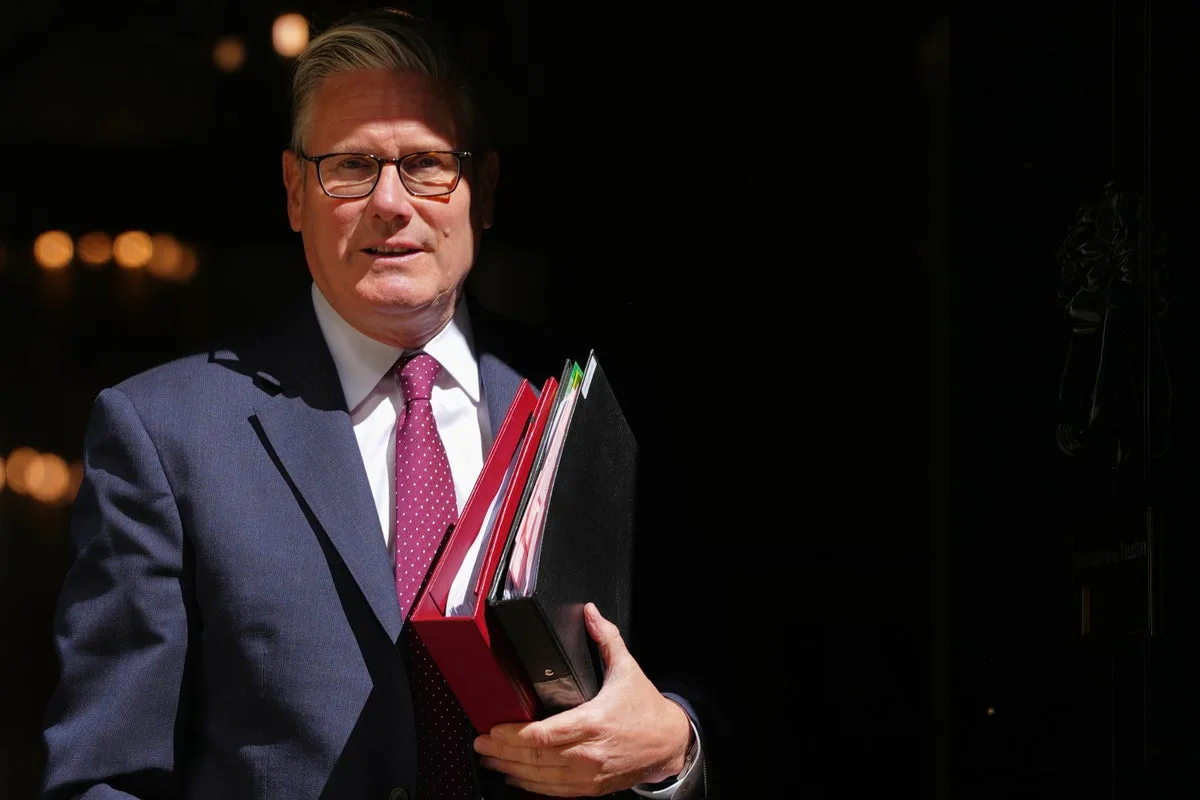
British voters head to the polls on Thursday in local elections that could accelerate the end of Prime Minister Keir Starmer's troubled tenure and confirm the UK's shift towards a fragmented multiparty system. Starmer's centre-left Labour Party is expected to suffer heavy losses in contests for English local councils and devolved legislatures in Scotland and Wales.
Starmer's popularity has plummeted due to a weak economy, repeated questions about his judgment, and the controversial appointment of Peter Mandelson, a friend of Jeffrey Epstein, as ambassador to Washington. Rival parties are framing the vote as a referendum on his two-year-old government, with Reform UK campaigning under the slogan 'Vote Reform, Get Starmer Out'.
Forecasters predict Labour could lose over half of the 2,500 seats it is defending on English councils, with losses to the Greens in London and Reform UK in northern working-class areas. 'These elections are a perilous, perilous moment for Keir Starmer,' said Tony Travers of the London School of Economics, noting that policy U-turns and a tight economy have left him vulnerable.
A heavy defeat could trigger a leadership challenge from rivals such as Health Secretary Wes Streeting, former Deputy Prime Minister Angela Rayner, or Greater Manchester Mayor Andy Burnham. Any challenger would need the support of 80 Labour MPs to force a contest. Professor Tim Bale of Queen Mary University said 'it’s a case of when rather than if he goes'.
The elections also signal the rise of smaller parties, with Reform UK, the Greens, and nationalist parties in Wales and Scotland expected to gain. Plaid Cymru leader Rhun ap Iorwerth said 'the old politics is gone', as polls suggest Labour could fall to third place in Wales, behind Plaid and Reform UK. A Plaid victory would give three of the UK's four nations pro-independence leaders.




