GOP Senate Candidate Urges Americans to Cut Starbucks for Iran War Effort
GOP Candidate: Skip Starbucks to Support Iran War

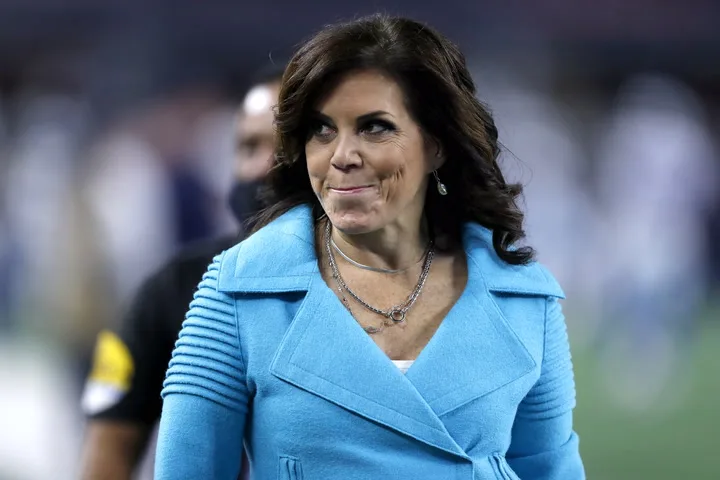
A Republican Senate candidate has sparked controversy by suggesting that Americans should cut back on their Starbucks visits to help cope with the economic impact of the ongoing Iran war. Michele Tafoya, who is running for office in Minnesota, made the remarks during a recent appearance as a call-in guest on The Todd Starnes Radio Show.

Patriotic Appeal Amid Economic Strain

Tafoya urged citizens to "be patriots" and find ways to make their gasoline "go a little further" as prices continue to climb. Since the conflict with Iran began, US gasoline pump prices have surged by over 30%, now approaching an average of $4 per gallon nationwide. This sharp increase has placed significant financial pressure on many households, leading to calls for creative solutions to manage daily expenses.

Historical Parallels to World War II

In her comments, Tafoya drew a direct comparison to the efforts made by Americans during World War II. She noted that citizens supported troops back then by engaging in small, collective actions such as collecting metal and aluminum scraps to aid the war effort. Similarly, she argued that modern Americans could contribute to the current situation by making minor lifestyle adjustments, like skipping their regular coffee runs.

Wide Pickt banner — collaborative shopping lists app for Telegram, phone mockup with grocery list

Reactions and Broader Implications

The suggestion has elicited mixed reactions from the public and political commentators. Some view it as a practical tip for individuals struggling with rising costs, while others criticize it as an oversimplification of the complex economic challenges posed by the Iran war. The conflict has not only driven up fuel prices but also disrupted global supply chains, contributing to broader inflationary pressures.

Tafoya's campaign is focusing on economic resilience and national solidarity as key themes. Her advice underscores a growing trend among politicians to frame personal consumption choices in the context of larger geopolitical events. As the Senate race in Minnesota heats up, such statements are likely to fuel further debate about the appropriate role of government versus individual responsibility in times of crisis.

Ultimately, whether Americans heed Tafoya's call to skip Starbucks remains to be seen, but her comments highlight the tangible ways in which international conflicts can affect everyday life and spending habits in the United States.

Pickt after-article banner — collaborative shopping lists app with family illustration




