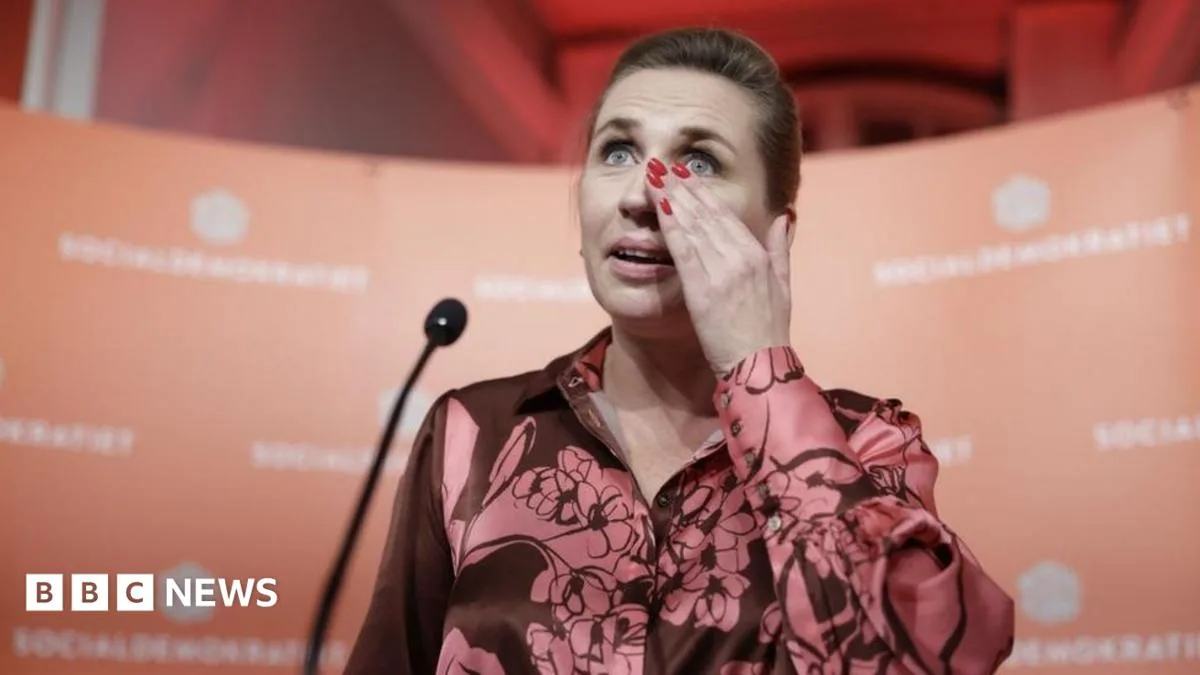
Denmark Election Results: Mette Frederiksen's Coalition Faces New Challenges
The recent election in Denmark has delivered a significant shift in the political landscape, with Prime Minister Mette Frederiksen's coalition experiencing notable losses. The results, announced on March 25, 2026, indicate a fragmented parliament that could complicate governance and policy implementation in the coming years.
Key Election Outcomes and Political Implications
Mette Frederiksen's Social Democratic Party, while remaining the largest single party, saw its support decline compared to previous elections. This decline has weakened her coalition's majority, forcing potential negotiations with smaller parties to secure a stable government. The election results reflect growing voter dissatisfaction with current policies, particularly in areas such as immigration and economic management.
Opposition parties, including the Liberal Party and the Danish People's Party, made gains, capitalising on public concerns over issues like border control and fiscal responsibility. This shift suggests a more polarised political environment in Denmark, which could influence legislative processes and international relations.
Impact on European Politics and Domestic Policies
The election results in Denmark are closely watched across Europe, as they may signal broader trends in the region. Mette Frederiksen's leadership has been a key factor in Denmark's approach to European Union affairs, and any changes in her coalition's strength could alter Denmark's stance on critical issues such as defence cooperation and trade agreements.
Domestically, the weakened coalition may struggle to advance its agenda, including planned reforms in healthcare, education, and climate policy. This could lead to delays or compromises in key initiatives, affecting Danish citizens and businesses. Additionally, the election outcome highlights the importance of coalition-building in multi-party systems, underscoring the need for effective political negotiations.
Analysis of Voter Trends and Future Prospects
Voter turnout in the election was robust, indicating high public engagement with the political process. Analysis of voting patterns reveals a split between urban and rural areas, with urban centres showing stronger support for progressive policies and rural regions favouring conservative alternatives. This divide could shape future electoral strategies and policy priorities.
Looking ahead, Mette Frederiksen faces the challenge of consolidating her coalition's position while addressing the concerns that led to electoral losses. This may involve recalibrating policies to better align with public sentiment and enhancing communication efforts to rebuild trust. The election results serve as a reminder of the dynamic nature of democracy, where voter preferences can quickly reshape political landscapes.
In conclusion, the Denmark election results mark a pivotal moment for Mette Frederiksen and her coalition, with implications that extend beyond national borders. As Denmark navigates this new political reality, the outcomes will likely influence both domestic governance and European political dynamics in the years to come.






