
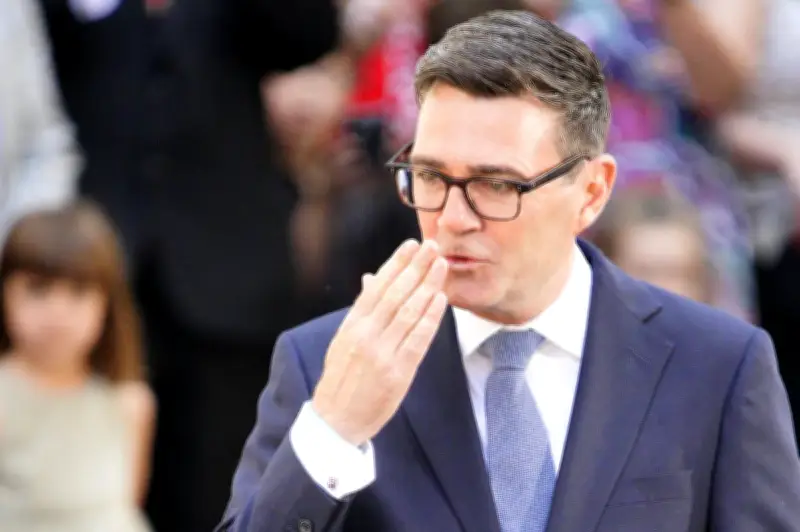
Burnham Takes Office with Radical Agenda
Andy Burnham has assumed the role of Prime Minister, vowing to deliver the most significant transformation of British politics in four decades. In his first major act, he appointed John Healey as Chancellor of the Exchequer, replacing Rachel Reeves, and dismissed several high-profile figures from Sir Keir Starmer's previous administration.
Healey Appointed Chancellor
Former defence secretary John Healey, who resigned from Starmer's government over a dispute concerning military funding, becomes the new Chancellor. He replaces Rachel Reeves, with whom Burnham had clashed over defence investment plans. Healey’s appointment signals a shift in economic and defence priorities.
Major Cabinet Reshuffle
Burnham removed numerous Starmer loyalists from their positions. Among those sacked were former deputy prime minister David Lammy, chief secretary Darren Jones, business secretary Peter Kyle, attorney general Lord Hermer, technology secretary Liz Kendall, Welsh secretary Jo Stevens, Northern Ireland secretary Hilary Benn, paymaster general Nick Thomas-Symonds, and development minister Baroness Chapman. Steve Reed, a Starmer ally who lost his housing ministry role, remarked: “I hope those who did not show loyalty to Keir will now show it to you.”
Promises to the Public
Speaking outside No 10 Downing Street, Burnham pledged early “breathing space” for households grappling with the cost-of-living crisis, committed to ending rough sleeping, and outlined a goal of “reindustrialising Britain.” He stated that his government would deliver “a new political model and a new economic model” for the country.
Broader Implications
The sweeping changes mark a decisive break from the Starmer era, with Burnham positioning his premiership as a fresh start focused on economic reform and social welfare. The scale of the cabinet overhaul underscores his intent to reshape the government’s direction.




