
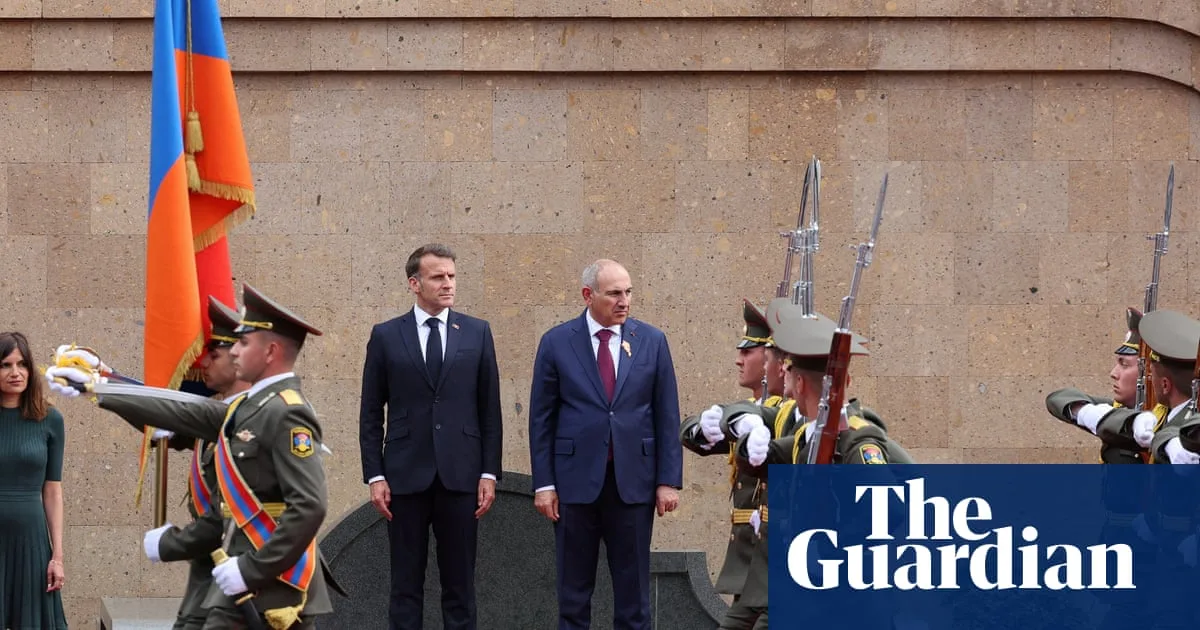
As Armenia heads to the polls on 7 June for national elections, the country finds itself in a strategic tug of war between Russia, the US, Turkey, Europe and Azerbaijan. Prime Minister Nikol Pashinyan has staked his third consecutive term on a vision of turning Armenia into a crossroads between East and West, ending decades of isolation.
Pashinyan’s ‘Real Armenia’ doctrine calls for painful peace with Azerbaijan and a pivot away from Russia toward the EU. The opening of borders with Turkey and Azerbaijan, he argues, could transform the South Caucasus, making Armenia the shortest route between Europe and Asia. Foreign Minister Ararat Mirzoyan said the goal is to turn Armenia’s geography into a strategic asset: ‘How to become a bridge rather than an obstacle.’
The proposed ‘Trump Route for International Peace and Prosperity’ (Tripp) linking Europe and Asia across Armenian territory is part of this connectivity jigsaw. However, the vision requires controversial steps, such as sacking the director of the Armenian genocide museum and removing Mount Ararat from passport stamps.
Early polls suggest Pashinyan’s Civil Contract party may win, despite overseeing two military defeats to Azerbaijan in 2020 and 2023. The second defeat forced 100,000 Armenians from Nagorno-Karabakh, with 19 prisoners still held in Baku. Pashinyan faces at least three pro-Russian nationalist parties, including Stronger Armenia led by billionaire Samvel Karapetyan, who has accused Pashinyan of importing hallucinogenic mushrooms and promised a Ministry of Sex to address demographic decline.




