
Andy Burnham officially became the UK's 59th Prime Minister on July 20, 2026, succeeding Keir Starmer after a brief, unopposed Labour leadership contest. In his maiden address from Downing Street, he is expected to vow to rebuild trust in government and provide citizens with 'breathing room' amid ongoing cost-of-living pressures.
Historic Transition and Call for Stability
Burnham's ascension marks the seventh prime minister in ten years, a fact he is anticipated to acknowledge by emphasising the urgent need for greater political stability and accountability. He will frame his premiership as a moment of 'reflection and resolution', contending that Britain must confront its challenges honestly and prove it can overcome them.
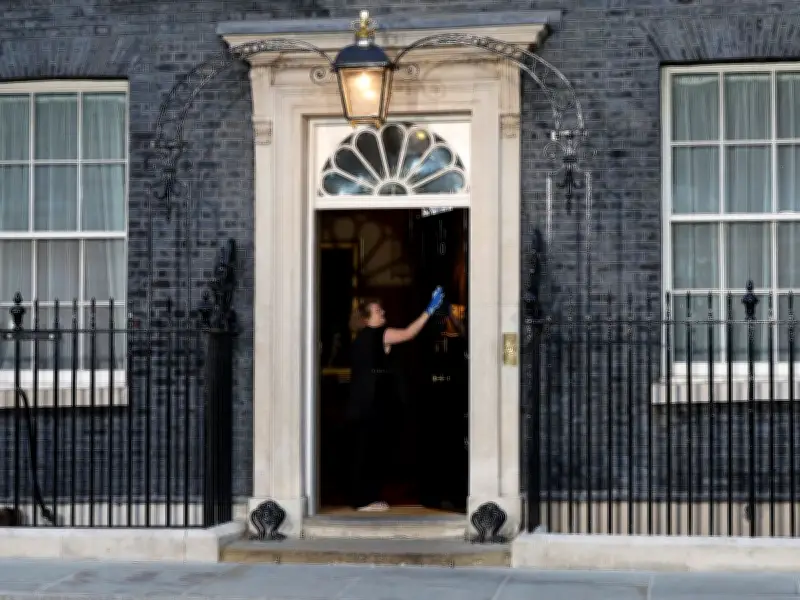
Before his arrival, the iconic black door of Number 10 was given a thorough cleaning, symbolising a fresh start. Burnham will first visit Buckingham Palace to 'kiss hands' with the King, officially succeeding Starmer.
Domestic Agenda and Key Policies
Associates of Burnham revealed he would contend that political steadiness must yield 'tangible' progress alongside the 'breathing room' on living costs he has previously pledged. He has already declared his intention to transfer power away from Westminster, advancing this vision through a new 'No 10 North' in Manchester, which he is anticipated to visit later this week.
Pledging a 'reset of priorities', Burnham has also revealed he will axe Starmer's flagship digital ID scheme to redirect resources and focus on tackling the cost-of-living crisis. During his opening week in office, the new prime minister is anticipated to reveal policies designed to make people's lives simpler.
Energy and Thames Water Decisions Loom
Reports indicate Burnham might consider measures on energy bills, including permitting additional oil and gas extraction in the North Sea. Green campaigners have pressed him to adhere to Labour's 2024 manifesto, which pledged not to issue new licences for North Sea drilling, contending they would not cut energy bills.
Burnham might also confront a choice on whether to temporarily nationalise Thames Water as the company grapples with a £20 billion debt mountain. He has voiced backing for increased public oversight of vital services, and Thames Water's principal creditors have indicated they are prepared to discuss the matter with his new ministers to secure a rescue package and prevent the business from entering a 'special administration regime'.
Cabinet Selections and Next Steps
After his address in Downing Street, Mr Burnham is anticipated to start revealing his cabinet selections. Having ascended to the Labour leadership unopposed just a month after his Westminster comeback, Burnham has yet to flesh out much of his blueprint for government, but his initial actions signal a focus on domestic relief and decentralisation.




