Trump's Wealth Skyrockets by $1.4 Billion Since Returning to Office
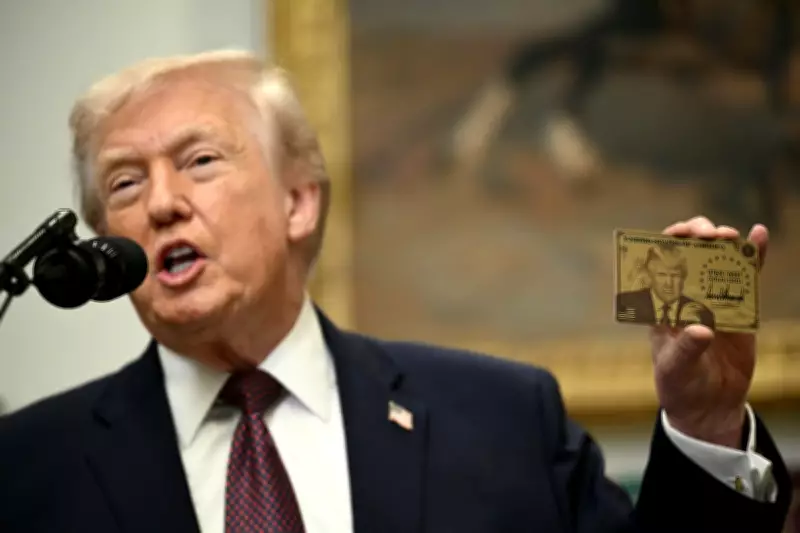
President Donald Trump has seen his net worth jump dramatically to approximately $6.5 billion, marking a substantial increase of $1.4 billion over the past year, according to the latest analysis from Forbes. This surge in wealth has propelled him to 645th place among the world's 3,428 billionaires, a significant 55-spot climb from his 2025 ranking.
Crypto Ventures Drive Financial Windfall
The core driver behind this remarkable financial gain has been Trump's involvement in cryptocurrency businesses. Forbes reports that he earned an estimated $550 million from the sale of crypto tokens through World Liberty Financial, a firm he co-founded with Steve Witkoff, his current Middle East envoy. The company is now managed by their sons, highlighting the familial ties in these lucrative operations.
Additionally, Trump's Mar-a-Lago club in Florida, often referred to as the "Winter White House," has enhanced its status as a premier venue for political and business elites to network with administration figures. Its value is now estimated at $560 million, contributing significantly to his overall wealth portfolio.

Legal Victories and Business Expansion
Legal successes have further bolstered Trump's financial standing. Last year, an appeals court overturned a hefty $515 million penalty in a New York fraud case involving Trump and his associates. Moreover, numerous media outlets and technology companies reached multi-million dollar settlements with him upon his return to power, adding to his coffers.
Beyond crypto, Trump has capitalized on licensing his name to hospitality properties, avoiding costly court penalties, and leveraging his presidential platform for business gains. Critics argue that he has transformed the White House into a "personal money machine," with The New York Times editorial board noting in a January investigation that he has made about $1.4 billion since taking office.
Ethical Concerns and Scrutiny
Detractors point to several red flags regarding potential corruption, including corporate millions funding his ballroom projects and industry figures wielding undue influence over U.S. policy. For instance, Elon Musk's advocacy for DOGE cryptocurrency has been cited as an example of such influence. Trump's refusal to place his businesses in a blind trust, a standard practice for modern presidents, has also drawn criticism.
His inauguration raised more funds than any other in U.S. history, with $1 million donations from companies seeking government favors becoming commonplace. The White House maintains that Trump keeps his business dealings separate from his presidential duties, but instances of overlap have raised eyebrows.
International Deals and Administration Spending
Four days before Trump's inauguration, a firm backed by Abu Dhabi royal Sheikh Tahnoon bin Zayed Al Nahyan secretly acquired nearly half of World Liberty Financial. Later, another company under the sheikh used $2 billion in World Liberty currency for investments. Concurrently, the UAE was negotiating with the Trump administration for access to advanced AI chips, announced in November, though all parties insist these deals were unrelated and ethical standards were upheld.
The administration has also faced scrutiny over taxpayer fund usage, such as a $172 million purchase of luxury jets for the Department of Homeland Security and millions spent on Trump-themed vehicles for immigration officers, which reportedly remain unused as agents avoid drawing attention during missions.
Family Controversies
Meanwhile, Kai Trump, the president's granddaughter, has sparked controversy with her influencer career. She has been criticized for using the White House to promote a sportswear line and for filming a "tone deaf" vlog about taking her Secret Service detail to the high-end Los Angeles grocery store Erewhon, highlighting the blending of personal and political spheres in the Trump era.