Political Donations Experience Notable Uptick
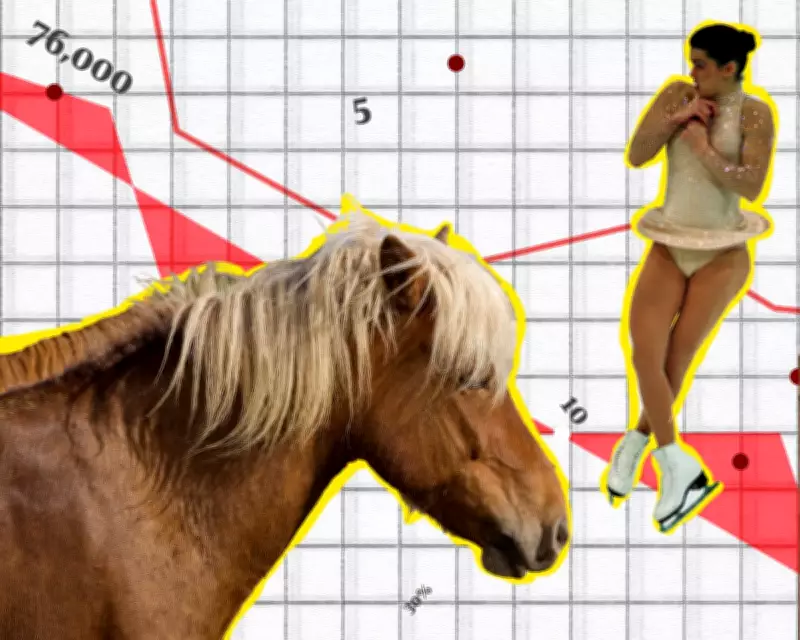
In recent developments, political donations have surged to exceptional levels, drawing attention from analysts and the public alike. This increase is occurring alongside two prominent cultural phenomena: a series of remarkable figure skating competitions and the celebration of the Year of the Horse. The convergence of these events has sparked discussions about the potential influences on political funding and the broader implications for democratic processes.
Figure Skating Events Capture Public Interest
Exceptional figure skating performances have dominated sports headlines, with athletes achieving unprecedented scores and breaking long-standing records. These events have not only captivated audiences worldwide but have also coincided with the peak period of political donation activities. Observers note that the heightened public engagement in figure skating may be indirectly affecting political landscapes, as donors and campaigns seek to leverage this widespread interest.
Year of the Horse Symbolism and Political Funding
The Year of the Horse, a significant cultural marker in various traditions, is being linked to the surge in political donations. Some experts suggest that the symbolism associated with this year—often representing strength, energy, and perseverance—might be inspiring increased financial support for political causes. This connection raises questions about how cultural and symbolic factors can impact political economies and donor behavior.

Transparency and Regulatory Concerns
With the rise in donations, concerns about transparency and regulation in political funding have come to the forefront. Advocacy groups are calling for stricter oversight and clearer reporting requirements to ensure that the influx of funds does not compromise electoral integrity. The current situation underscores the need for robust frameworks to monitor and manage political donations effectively.
Broader Implications for Political Engagement
The interplay between political donations, figure skating, and the Year of the Horse highlights the complex ways in which cultural and sporting events can intersect with political activities. This phenomenon may influence voter perceptions and engagement, as well as shape campaign strategies moving forward. As these trends continue to evolve, it will be crucial to assess their long-term effects on political dynamics and public trust.
In summary, the notable increase in political donations amid exceptional figure skating events and the Year of the Horse presents a unique case study in the intersection of politics, culture, and sports. Stakeholders are urged to consider the implications for funding transparency and democratic health as these developments unfold.