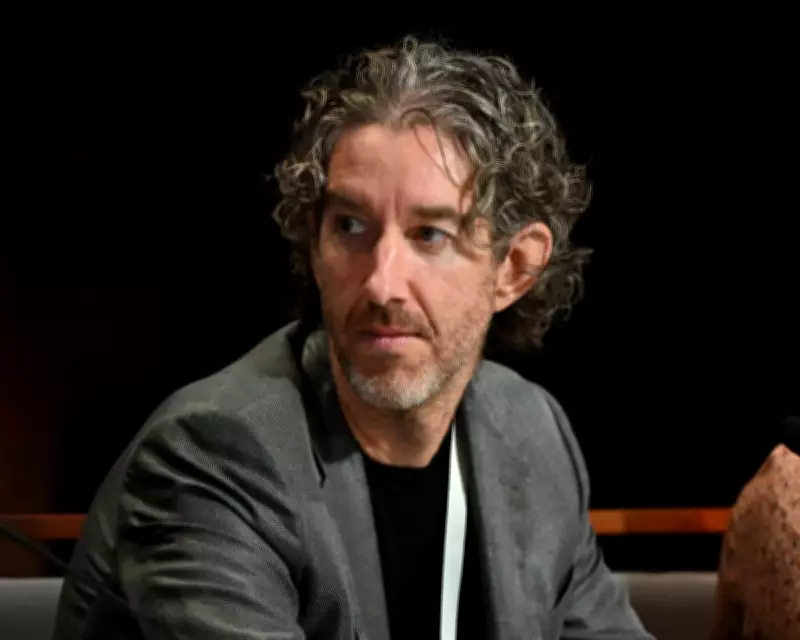
Atlassian Billionaire Mistakenly Linked to Greens Donation in Australian Transparency Row
A recent case of mistaken identity involving two individuals named Scott Farquhar has starkly illustrated the significant setbacks to political transparency in Australia following legislative changes to donation reporting.
Scott Farquhar, the billionaire co-founder of the software giant Atlassian, was erroneously identified as having donated $22,250 to the Queensland Greens. This confusion arose because a Brisbane resident, also named Scott Farquhar, made the donation. The billionaire Farquhar had separately donated $1.5 million to Climate 200, a climate-focused political fundraising entity.
How a Small Change Created a Major Transparency Issue
The confusion stems from a little-known but impactful alteration in how political donations are reported in Australia. Previously, all political donations were accompanied by a PDF declaration form that included the donor's name and full address. This allowed journalists and analysts to accurately distinguish between individuals with identical names, such as determining whether a donation from "Terence White" was from the former politician and pharmacy chain owner Terry White or another individual entirely.

This level of detail was crucial for both political transparency—ensuring the public knows who funds political parties—and for basic journalistic accuracy to avoid misattributing donations to prominent figures.
However, following an incident where the Australian Electoral Commission (AEC) accidentally published candidates' addresses and a subsequent external review, the PDF forms were removed from the AEC's transparency register. In February 2025, the Albanese government amended the Electoral Act to permanently remove the requirement for the AEC to publish donor addresses.
The Consequences of Reduced Donor Information
The changes were applied retrospectively, meaning approximately 5,000 entities in the donations database now have only a name for identification, based on analysis of the Greens' old donations database. While journalists can employ other methods to verify donor identities—as was done to distinguish the two Scott Farquhars—this process is far more time-consuming than cross-referencing details from the transparency register with other government databases.
Even this cross-matching capability is under threat, with reports indicating that addresses for directors in the ASIC company database may also be removed. The end result is that timely and accurate reporting on political donations has become much more difficult.
Potential Solutions and Ongoing Challenges
In cases of shared names, the AEC assigns a unique identifier to each entity in its database, which can theoretically distinguish between different individuals. The AEC stated, "It is very uncommon for two donors in a single disclosure period to have the same name. In that very unusual occurrence, the unique client identifier is a method to distinguish them as separate individuals."
However, this identifier only appears publicly in the web URLs of the transparency register and not in exported data, making it impractical for most users. There is a pressing need to strike a better balance between protecting donor privacy and preserving the transparency of political funding.
While there are legitimate privacy and security concerns with publishing exact addresses, alternative solutions could be explored. For instance, including a postcode or date of birth would allow for verification without exposing precise residential locations. The AEC is considering such matters for implementing further electoral reform amendments scheduled to commence on 1 July 2026.
This incident underscores a broader issue in Australian politics: the tension between privacy and transparency in political donations. As the system currently stands, the risk of misidentification and the erosion of public accountability remain significant challenges that demand urgent attention and innovative solutions.