The Allure of Improvised Cinema: Unpacking a Persistent Myth
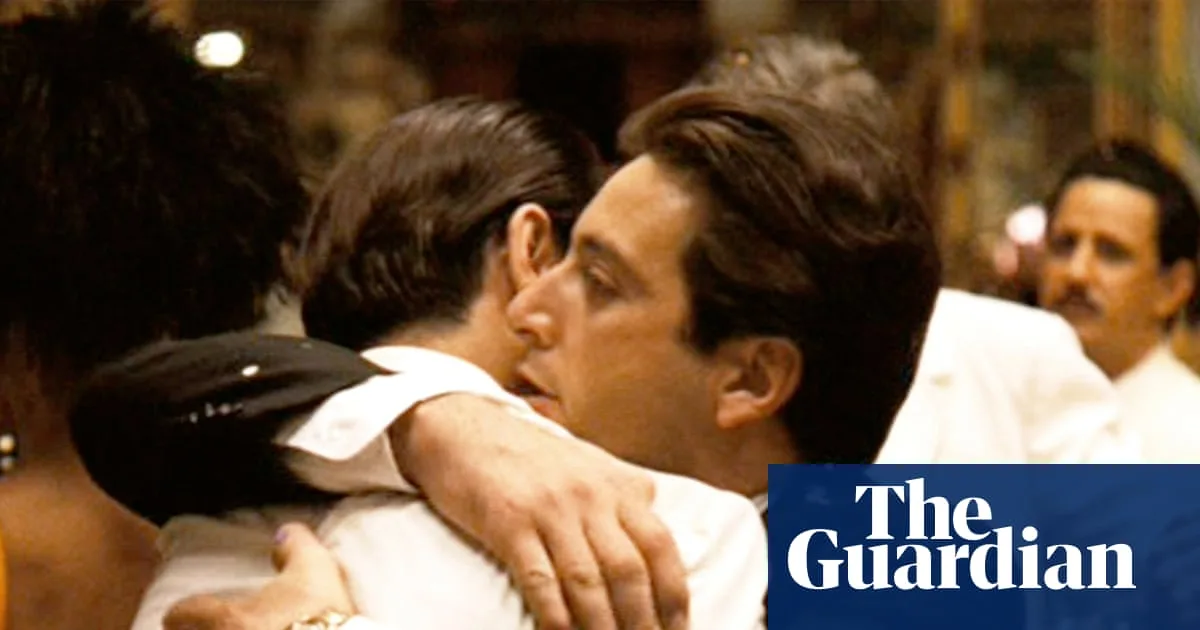
In the iconic film The Godfather Part II, Al Pacino's Michael Corleone delivers a chilling kiss of death to his brother Fredo, played by John Cazale. This moment, etched into cinematic history, is often falsely touted online as a spontaneous improvisation. Across platforms like YouTube, X, and Instagram, a pervasive narrative claims that many of cinema's most memorable lines and actions were made up on the spot, ditching the script entirely.
The Spread of Misinformation in Digital Age
The internet is awash with assertions that actors frequently improvise, turning mistakes into legendary scenes. For instance, content creators allege that Heath Ledger's frustration in The Dark Knight was genuine, or that Winona Ryder's roast in Mermaids forced Cher to improvise a slap. These claims, while captivating, are largely fabricated. Social media has amplified such myths, with accounts using engaging formats to propagate falsehoods for likes and shares.
This trend has surged recently, driven by monetisation models on platforms like X, where engagement bait—low-quality, quickly produced content—can generate revenue. Creators such as Stone Face Memes and Eggdar Memes have gained massive followings by posting clips with captions suggesting improvised magic, leveraging familiar films to attract views swiftly. The minimal effort required allows for high-volume output, prioritising profit over accuracy.
Audience Credulity and Media Literacy Concerns
Despite savvy commenters occasionally debunking these tales, many viewers accept them uncritically. A TikTok video about Friends, for example, sparked claims that David Schwimmer repeatedly said the wrong name by accident, ignoring the scripted nature of the scene. Such instances fuel debates about declining media literacy, as audiences seem eager to believe in behind-the-scenes secrets that foster a sense of intimacy with filmmakers.
This desire isn't new; for decades, insiders have blurred lines between scripted and spontaneous. Director Judd Apatow noted that even heavily improvised-seeming films like Superbad had minimal off-script content. Similarly, headlines about Barry Keoghan's scene in Saltburn being "totally improvised" often exaggerate minor adjustments, distorting reality for clickbait.
The Psychological Appeal of Improvisation Myths
Why do audiences crave these stories? Experts suggest it stems from a longing for connection, allowing viewers to feel closer to actors and directors by detecting supposed improvisations. This taps into a historical valorisation of spontaneity in film, dating back to figures like Jean-Luc Godard, where improvisation was seen as authentic and intimate. However, it also reflects a potential anti-intellectual streak, privileging rule-breaking over meticulous craftsmanship.
Ultimately, the spread of these myths is a complex issue. While internet incentives drive misinformation, film-making has always involved myth-making. As audiences navigate this landscape, the line between fact and fiction blurs, challenging our understanding of cinematic artistry.






