

The United States intends to significantly reduce the military resources it makes available to Europe during a crisis, including fighter jets, warships, and strategic bombers, according to a report from German outlet Spiegel.
Details of the Proposed Cuts
An envoy of US defence secretary Pete Hegseth briefed senior officials at Nato headquarters last week, outlining Washington's plans to scale back its commitments under the Nato Force Model. This framework determines how national forces are allocated to the alliance to ensure a rapid response in emergencies.
US envoy Alexander Velez-Green reportedly stated during a closed-door meeting that the number of US fighter jets pledged would drop by one-third. The US Navy would also contribute fewer destroyers and no longer provide any submarines. Additionally, Europe would need to supply its own reconnaissance drones, as the US plans to reduce its provision of armed models. Refuelling aircraft, essential for long-range operations, are also at risk.

Strategic Bombers and Submarines Affected
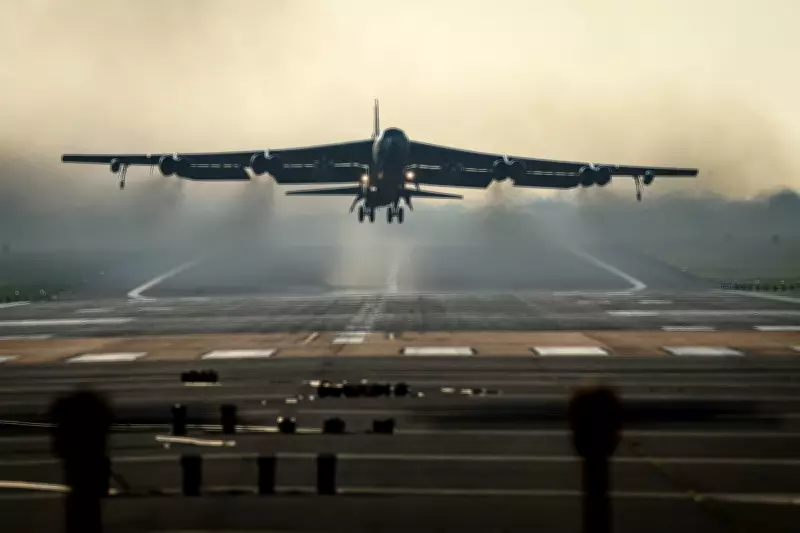
The US aims to provide only half the previous number of strategic bombers, such as the B-52 Stratofortress, which have been stationed at RAF Fairford in the UK. Submarines, including the Virginia-class fast attack submarine, will no longer be offered. These changes come amid warnings from European intelligence agencies that Russia could launch a major attack within a few years.
Nato Secretary General Mark Rutte stated in December that allies must prepare for a scale of war akin to that endured by previous generations. Moscow has dismissed such intelligence as hysteria.
Political Context and Tensions
Former President Donald Trump has repeatedly threatened to withdraw the United States from Nato, urging Europe to take greater responsibility for its own defence. His administration has also threatened to remove US troops from the continent. In recent weeks, Trump criticised allies over their perceived lack of support during the war in Iran, further straining relations. Tensions have been mounting since his earlier threats to take control of Greenland, a Danish territory.
Three sources familiar with the matter told Reuters that the Trump administration planned to inform Nato allies last week of its intention to shrink the pool of military capabilities available during a crisis. Further details are expected at a force generation conference in early June.
Nato's Response
A Nato spokesperson told Spiegel that there had been an over-reliance on the US in force planning, and with Europe and Canada increasing defence investments, responsibilities within the alliance could be reorganised. Mark Rutte declined to provide specifics on the reported cuts, stating that the US contribution to Nato's force model was under discussion, as the US cannot be everywhere at once. He emphasised that the process is highly classified and not new.
“We know that the US has to think: if you have multiple threats, how can we make sure that all the capabilities and all the key enablers are everywhere where we need them,” Rutte said after a meeting of Nato ministers in Sweden.
The Independent has approached the Pentagon for comment.






