US Military Investigators Point to American Strike in Deadly Iranian School Bombing
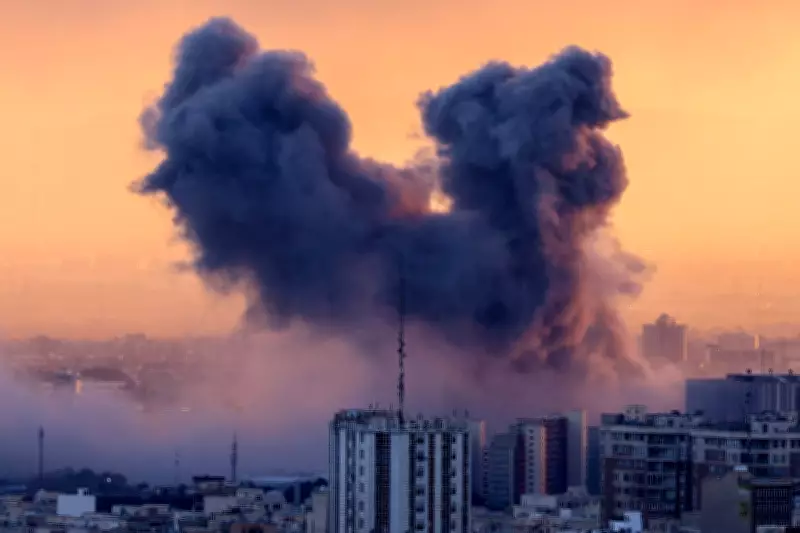
Military investigators from the United States have reportedly concluded that American forces were likely responsible for a devastating air strike on a girls' school in Minab, Iran, which resulted in significant civilian casualties. According to Iran's ambassador to the UN in Geneva, the attack killed approximately 150 students, making it the deadliest incident for civilians since the onset of US and Israeli military operations in the region.
Pentagon Confirms Investigation Amidst International Outcry
Defense Secretary Pete Hegseth has confirmed that the Pentagon is actively investigating the strike, though neither US nor Israeli officials have publicly claimed responsibility. The probe is focusing on potential causes, including the Pentagon's AI-driven targeting system, known as the Maven Smart System, as well as human error linked to outdated target maps. This incident has sparked grave concerns from international bodies such as UNESCO and the UN High Commissioner for Human Rights, who are calling for prompt, transparent investigations and accountability for the victims.
Analysts Highlight Risks of Advanced Military Technology
Analysts suggest that the strike may have been caused by flaws in automated targeting systems or misidentification due to inadequate intelligence. The use of AI in military operations, while intended to enhance precision, raises critical questions about reliability and the potential for catastrophic errors in conflict zones. This event underscores the urgent need for stricter oversight and updated protocols to prevent similar tragedies in the future.

Global Reactions and Calls for Justice
In response to the bombing, international organizations have emphasized the importance of upholding human rights and protecting educational institutions in conflict areas. The UN has urged all parties involved to cooperate fully with investigations to ensure justice for the victims and their families. As tensions escalate, this incident highlights the broader implications of military actions on civilian populations and the necessity for greater transparency in wartime operations.