
The United States has been the dominant power in the Middle East since the end of the cold war, and the current conflict with Iran is arguably the most dangerous and consequential yet. The destruction and chaos spreading across the region raise questions as to why US presidents often declare an end to interference, only to be lured back in.
Since the second world war, the US has set out to oust a government in the Middle East on average once a decade. Almost every occasion has left the country and the US worse off as unexpected consequences emerge. Donald Trump's attempt at regime change in Iran, a country of 90 million people, has provoked profound foreboding.
The first Gulf war (1990-91) had a containable scope and purpose. George HW Bush pushed Saddam Hussein's forces out of Kuwait with relative ease, maintaining a broad Arab coalition. He respected the UN mandate to liberate Kuwait but did not invade Iraq. However, the war left a legacy: Kurds and Shia Muslims learnt the risk of being used by a US president after being encouraged to rise up, only to be crushed as the US stood aside.
The war also brought half a million US troops to the region, which in effect never left, instead moving into bases across the Gulf, the Levant and southern Turkey. Those bases, now under attack by Iran, became the infrastructural foundation of American primacy.
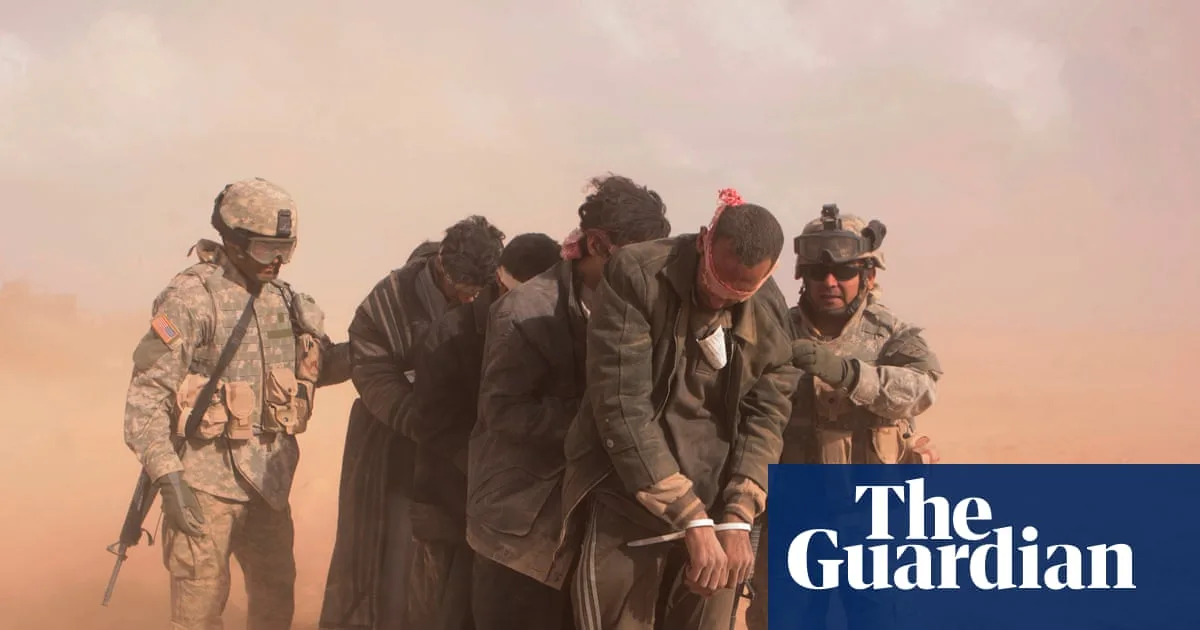
The second Gulf war (the Iraq war, 2003-11) was based on the presumption that Saddam Hussein possessed weapons of mass destruction, an intelligence failure. The US went in not knowing enough about the country or the forces that would be uncorked. Advocates like Paul Wolfowitz predicted Iraqis would welcome US forces as liberators and that large peacekeeping forces would not be needed. Benjamin Netanyahu, then an Israeli opposition leader, also advocated for war, claiming it would have positive reverberations across the region.




