American Journalist Released in Baghdad Following Militia Prisoner Swap
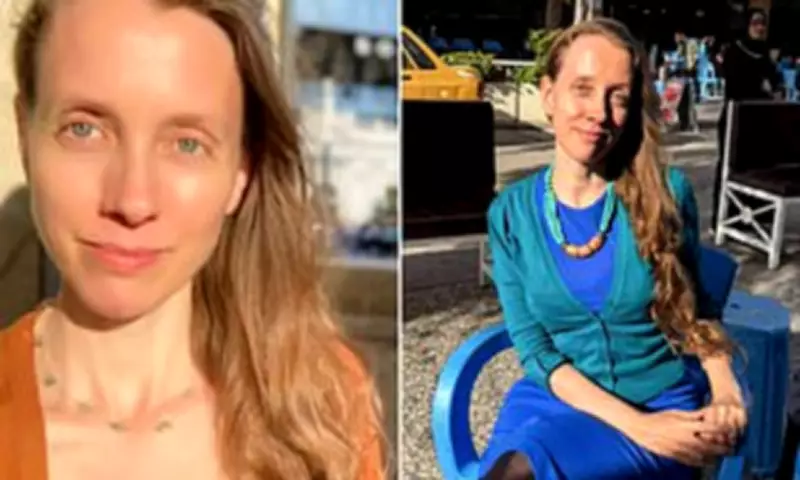
American freelance journalist Shelly Kittleson, who was abducted in Iraq last week, has been released following a prisoner exchange arrangement with the Iran-backed militia Kataib Hezbollah. Iraqi officials confirmed the 49-year-old journalist was returned on Tuesday after being held captive for approximately one week.
Details of the Abduction and Release
Kittleson was reportedly abducted from a street corner in central Baghdad on March 31 while covering the impact of US-Israeli military actions on Iran. According to security officials, two vehicles were involved in the kidnapping operation near the Palestine Hotel on Al-Saadoun Street. One vehicle crashed southwest of Baghdad during pursuit, while Kittleson was transferred to a second car and taken to an undisclosed location.
The release came as part of a prisoner exchange deal that saw at least six detained members of Kataib Hezbollah freed in return for Kittleson's liberty. Iraqi authorities had previously detained these militia members for their alleged involvement in attacks against US military bases in Syria.

Militia Statements and Controversial Video
In a statement released by Kataib Hezbollah, the militia claimed their decision to release Kittleson came "in appreciation of the patriotic stances" of outgoing Iraqi Prime Minister Mohammed Shia al-Sudani. However, they added a stern warning: "This initiative will not be repeated in the future. We are in a state of war waged by the Zionist-American enemy against Islam, and in such situations, many considerations are disregarded."
Shortly before her release, Kataib Hezbollah uploaded a heavily edited video featuring Kittleson to illustrate what they described as "her activities in Iraq." In the footage, the journalist appeared to confess to providing information about Iraqi militias to an American diplomat, stating: "I collected information, but it wasn't enough and they asked me for more."
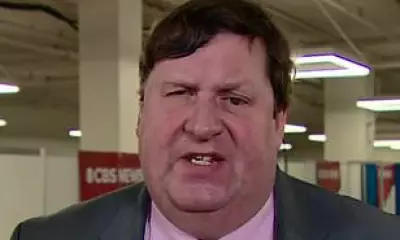
International law experts who reviewed the video told media outlets that the statements appeared to have been made under duress and were likely coerced. The New York Times reported on the video's release, while the Washington Post quoted national security analyst Alex Plitas, Kittleson's main point of contact, who described her as "an innocent woman and a well-known and respected journalist."
Background and Security Concerns
Shelly Kittleson, based in Rome, Italy, has worked as a freelance journalist across the Middle East for more than a decade, with particular focus on Iraq and Syria. According to reports, the US State Department had specifically warned Kittleson against entering Iraq due to known threats against her safety.
Kataib Hezbollah, a powerful Shiite militia group based in Iraq, is separate from the Lebanese Hezbollah movement but maintains close ties to Iran's Islamic Revolutionary Guards Corps. Both organizations are designated as terrorist groups by the US government. The Iraqi militia has frequently launched rocket and drone attacks against US targets, including missile strikes on the US Embassy in Baghdad.
Complex Negotiations and Political Context
Anonymous officials involved in the negotiations described the process as particularly challenging. "The primary challenge is that the leaders of the Kataib militia—specifically, the commanders of the battalions—are nowhere to be found," they explained. "No one knows their whereabouts, and the process of establishing contact with them is extremely complex."
The release operation involved coordination between members of Iraq's Popular Mobilization Forces, the FBI, and the US State Department. Kittleson's freedom came hours after former President Donald Trump made threats against Iran regarding the Strait of Hormuz, though he subsequently announced a two-week ceasefire.
Kittleson was reportedly free by Tuesday afternoon, though her exact whereabouts following release have not been publicly disclosed. The journalist was instructed by her captors to "leave the country immediately" upon her release, according to statements from Kataib Hezbollah officials.