US Imposes Naval Blockade on Strait of Hormuz Following Collapse of Iran Peace Talks
In a dramatic escalation of tensions, former President Donald Trump has announced a comprehensive US naval blockade of the strategically vital Strait of Hormuz. This decisive action comes directly after peace negotiations between the United States and Iran completely broke down over the weekend, plunging the already volatile region into deeper crisis.
Background: Iran's Closure and the Failed Ceasefire
The Strait of Hormuz, the narrow waterway separating Iran and Oman through which approximately one-fifth of the world's daily oil supply flows, became a flashpoint in late February. Following coordinated military attacks by Israel and the United States on February 28, Tehran retaliated by effectively shutting down the strait. Iranian forces targeted commercial tankers and issued threats against any vessel attempting passage, bringing global maritime traffic to a standstill and triggering significant economic disruption worldwide.
A fragile, two-week ceasefire was announced last week, during which both nations proposed imposing substantial tolls on ships navigating the strait. However, those peace talks have now irrevocably collapsed, making the situation at Hormuz more contentious and dangerous than ever.

Trump's Directive and Military Posture
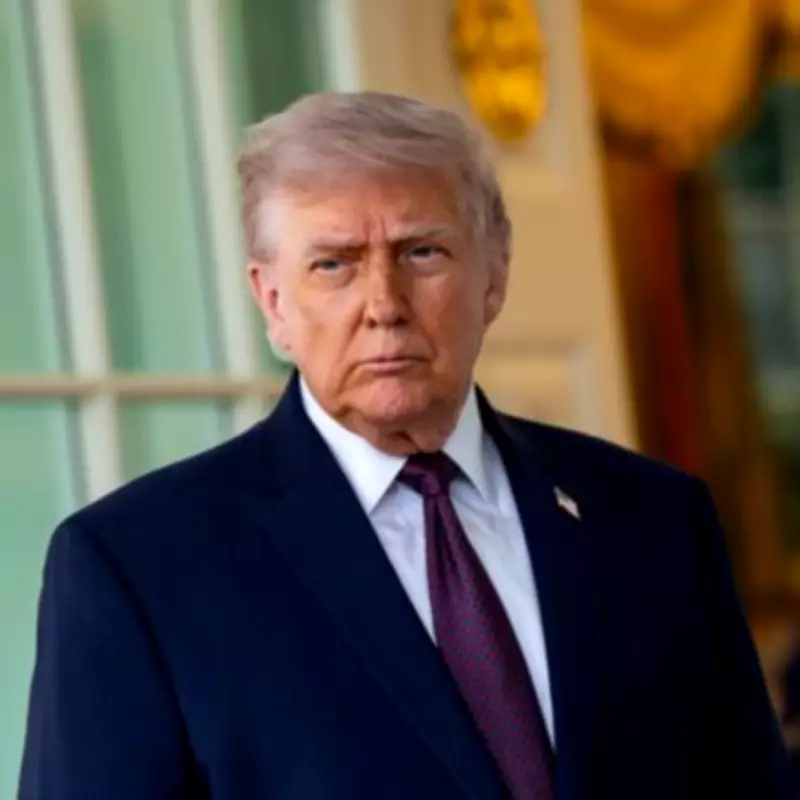
The blockade was formally initiated at 3:00 PM BST on Monday. President Trump's order followed the return of US negotiator JD Vance from unsuccessful talks in Islamabad, Pakistan, on Saturday. In a fiery post on Truth Social on Sunday, Trump declared: "I have instructed our navy to seek and interdict every vessel in international waters that has paid a toll to Iran. No one who pays an illegal toll will have safe passage on the high seas. We will also begin destroying mines the Iranians laid in the Straits. Any Iranian who fires at us, or at peaceful vessels, will be BLOWN TO HELL!"
According to US Central Command (CENTCOM), the blockade operation involves more than twelve warships and over one hundred fighter aircraft. The stated objective is to block vessels heading into Iranian ports while allowing neutral ships a grace period to exit the area. The precise deployment locations of the US Navy within the strait—which is sandwiched between the Persian Gulf and the Gulf of Oman—remain unclear, though the Gulf of Oman is a likely focal point due to the immense volume of oil traffic.
Targets and Enforcement Challenges
The US blockade will primarily target Iran's so-called "shadow fleet"—vessels that employ deceptive practices like using "flags of convenience" to evade sanctions and move illicit goods. CENTCOM has stated that the blockade "will not impede freedom of navigation" for ships traveling to and from other regional ports, applying impartially to "vessels of all nations entering or departing Iranian ports and coastal areas." Humanitarian vessels carrying essentials like food and medical supplies will be permitted passage subject to inspection.
Enforcing this blockade presents significant complexities. The US Navy and government have not detailed their specific tactics, though historical precedents include using helicopters to board tankers suspected of illegal operations. Professor James Kraska, an expert in international maritime law, notes that nations can exercise the right to "visit and search" vessels during wartime. Andreas Krieg, a senior lecturer at King's College London's School of Security Studies, warned NBC News that practical enforcement would likely resemble "a messy, high-risk interdiction regime" rather than a clean historical blockade, highlighting the potential for dangerous confrontations.
This US blockade marks a severe intensification of the standoff, directly threatening the global oil supply chain and raising the specter of broader military conflict in the Middle East as diplomatic avenues close.