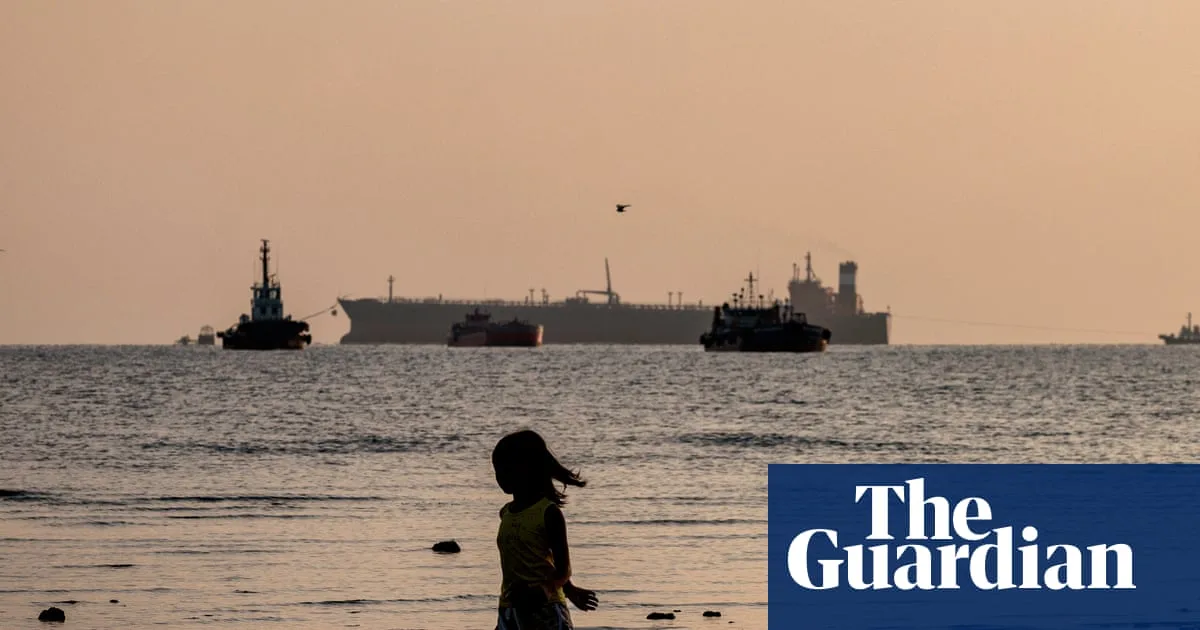
The United States has announced a 30-day extension of a sanctions waiver allowing purchases of Russian seaborne oil, reversing earlier plans not to renew it. The waiver aims to aid 'energy-vulnerable' countries affected by the Iran war, according to Treasury Secretary Scott Bessent.
Bessent stated that the general license, issued after a previous waiver lapsed, will allow temporary access to Russian oil and petroleum products stranded on tankers without violating severe US sanctions on Russian oil majors. 'This general license will help stabilize the physical crude market and ensure oil reaches the most energy-vulnerable countries,' he said.
The move has drawn sharp criticism from Democratic senators Jeanne Shaheen and Elizabeth Warren, who called it an 'indefensible gift' to Russian President Vladimir Putin. They argued that every additional dollar earned by the Kremlin from the license helps finance Russia's war in Ukraine and does not lower US gasoline prices or stabilise global energy markets.
The Trump administration originally imposed sanctions on Russian oil majors Rosneft and Lukoil to pressure Russia over its war in Ukraine. However, after US-Israeli attacks on Iran drove up global oil prices, the Treasury issued the first temporary licence in March to ease supply shortages. Analysts note that the waivers do not apply to newly pumped Russian oil and may have limited impact on US gasoline prices.
Charles Lichfield of the Atlantic Council suggested the waivers could boost Russia's oil revenues, offsetting the impact of Ukrainian strikes on Russian refineries. Meanwhile, Brent crude oil futures rose about 2.6% to above $112 per barrel on Monday amid supply concerns. Bessent, attending a G7 finance meeting in Paris, called for stronger enforcement of Iran sanctions by allies.