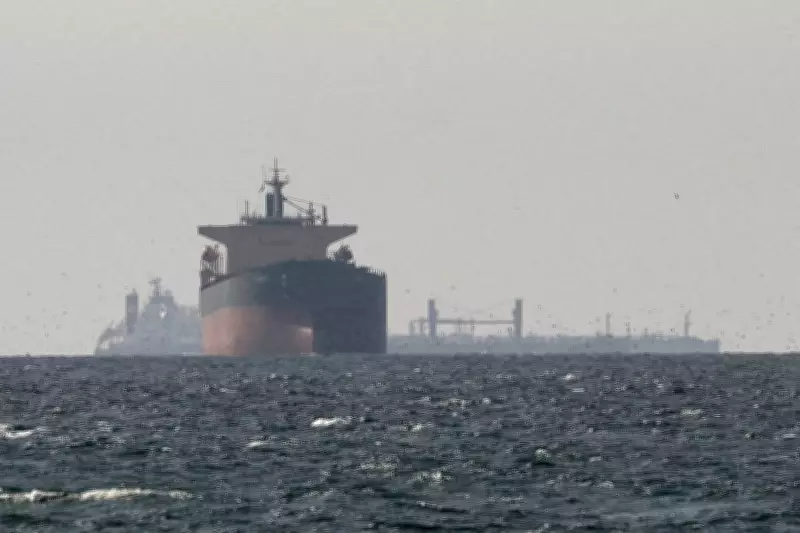
Legal Implications of a US Blockade in the Strait of Hormuz
As peace negotiations between the United States and Iran collapse in Pakistan, the fragile ceasefire stands on the brink of failure. US President Donald Trump has escalated war rhetoric, announcing that the US Navy will blockade the strategic Strait of Hormuz. This critical maritime passage sees approximately one-fifth of global oil shipments transit through its waters daily.
UK Prime Minister Declines Participation
British Prime Minister Keir Starmer has firmly stated that the United Kingdom will not participate in any US-led blockade of the Strait of Hormuz. This declaration comes as President Trump accuses Iran of "extortion" for charging tolls to vessels passing through the strait, vowing to intercept ships that have paid these fees to Iranian authorities.
However, reports from the New York Times indicate the US military plans a more limited approach, focusing solely on blocking Iranian ports and coastal areas while permitting other vessels to continue their passage. This represents a significant softening from the president's initial sweeping statements about a comprehensive blockade.

Legal Framework for Maritime Blockades
According to international law experts, the current situation exists in a precarious holding pattern within the ongoing US-Israel-Iran conflict. While peace talks have collapsed, no active military force is currently being deployed, yet neither has a settled peace been established.
Professor Donald Rothwell, an international law specialist at the Australian National University, explains that in purely legal terms, if the United States imposes a blockade, the ceasefire would effectively end and hostilities would resume. Since February 28, when the most recent hostilities began, Iran has been restricting navigation through the strait, justifying these actions based on ongoing armed conflict and security concerns for shipping.
The distinction between belligerents and neutrals becomes crucial in international law. The United States, Israel, and Iran are clearly identified as belligerents in this conflict, meaning the US could legitimately impose a blockade under established laws of naval warfare. Historical precedents exist, including the US blockade of oil tankers traveling to and from Venezuela in December 2025.
Economic and Diplomatic Consequences
A blockade of the Strait of Hormuz would severely restrict the flow of crude oil essential to global fuel supplies, potentially sending petrol prices soaring to unprecedented levels. President Trump has further complicated matters by threatening China with 50% tariffs if Beijing is found to be assisting Iran militarily.
The exact form and implementation of any blockade remain uncertain. Trump's initial proposal to block the entire strait and pursue vessels that paid Iranian tolls would create significant diplomatic tensions worldwide. While the president suggested other nations would participate, Australian Prime Minister Anthony Albanese confirmed his country has not been asked to join and does not anticipate involvement.
Strategic Implications and International Law
If implemented as a traditional naval blockade limited to Iranian ports, this action would represent a conventional military strategy between belligerent nations. Ships not originating from Iranian ports, previously barred from exiting the Persian Gulf through the strait, could potentially resume passage into the Indian Ocean.
Such a blockade would demonstrate substantial US military capability, requiring deployment of significant naval assets and confirming American control over the region. Economically, it would serve as a powerful negotiating tactic by imposing severe hardship on Iran through restricted oil exports, exacerbating the suffering of Iranian civilians.
The freedom of navigation through international straits like Hormuz represents a cornerstone principle of international law, underpinning global trade and economic stability. Historically, the United States has been a staunch defender of this principle. The threatened blockade and associated mine-sweeping operations might represent initial steps toward restoring the Strait of Hormuz as an open maritime highway accessible to all nations, though at significant geopolitical cost.