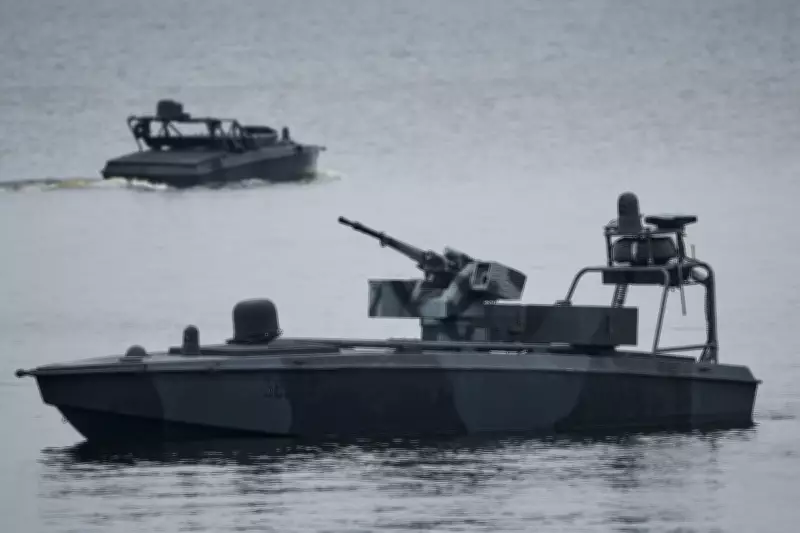
Ukrainian military forces have been conducting covert operations in western Libya under a secret agreement supported by Western nations, according to two Libyan officials. These forces reportedly used Libyan territory to launch a drone strike against a Russian tanker in the Mediterranean Sea last month, highlighting escalating geopolitical tensions in the region.
Details of the Attack on the Russian Tanker
The Russian-flagged vessel Arctic Metagaz, which was transporting 61,000 tons of liquefied natural gas, sustained severe damage in a suspected sea drone assault near Maltese waters in early March. Following the incident, the tanker drifted towards the Libyan coast. All 30 crew members were successfully rescued and transferred to another ship bound for Benghazi, as confirmed by the Libyan Maritime Authority.
This tanker is part of Russia's shadow fleet, which violates international sanctions imposed due to Moscow's invasion of Ukraine over four years ago. A recent temporary waiver by the United States on these sanctions aims to alleviate supply shortages amid conflicts involving Iran. Russia has attributed the attack to Ukrainian sea drones, while Ukraine argues that revenue from oil exports funds Russia's military aggression.

Ukrainian Operations in Libya
The Ukrainian personnel, primarily experts in drone technology, are based at an air facility in Misrata and other military sites in Tripoli and Zawiya, the officials disclosed to The Associated Press under anonymity. One official specified that the drone strike on March 3 was executed by Ukrainian operatives from a military installation in Tripoli.
Initially, the Libyan Maritime Authority reported that the tanker had sunk after experiencing sudden explosions and a massive fire approximately 240 kilometers off Sirte. However, the Arctic Metagaz remained afloat post-attack and was carried by winds and currents toward Libya. Efforts by Libyan authorities to tow the vessel to a safe zone were thwarted by harsh weather conditions, causing it to drift uncontrollably.
Covert Deal and Western Involvement
The deployment of Ukrainian forces in western Libya is linked to a covert arrangement between Kyiv and the government of Prime Minister Abdul-Hamid Dbeibah in Tripoli, as described by one official. This agreement has received backing from Western countries, including the United States. Massad Boulos, the U.S. adviser for African affairs, has proposed a plan to resolve Libya's protracted conflict, which would retain Dbeibah as prime minister and appoint Saddam Hifter, son of eastern military commander Khalifa Hifter, as head of the presidential council.
Libya has been divided for over a decade between the U.N.-supported government in Tripoli and a rival administration in the east aligned with Russia-backed Hifter. Dbeibah's mandate expired in December 2021 after failed elections, and he has resisted efforts to form a new government, warning that his removal could spark war.
Analyst Insights and Regional Context
Jalel Harchaoui, a Libya analyst at the Royal United Services Institute, suggested that the presence of Ukrainian forces in western Libya aligns with NATO's strategy to prevent Russian influence in the area. He noted that it is plausible Ukrainian operatives are stationed in the Tripoli region with the approval of NATO powers such as the United States, the United Kingdom, and Turkey.
Libya has endured chaos since the NATO-backed uprising that overthrew and killed dictator Moammar Gadhafi in 2011. The oil-rich nation has become a battleground for rivalries between Russia and the West, exacerbating issues like migration, as it serves as a transit point for migrants heading to Europe.
Neither Russian nor Ukrainian officials have commented on these allegations, and the Tripoli government has not responded to requests for clarification. Ukraine's advancements in drone technology, including Sea Baby naval drones used against Russian ships in the Black Sea, have driven innovation amid its defense against Russia's larger military.