
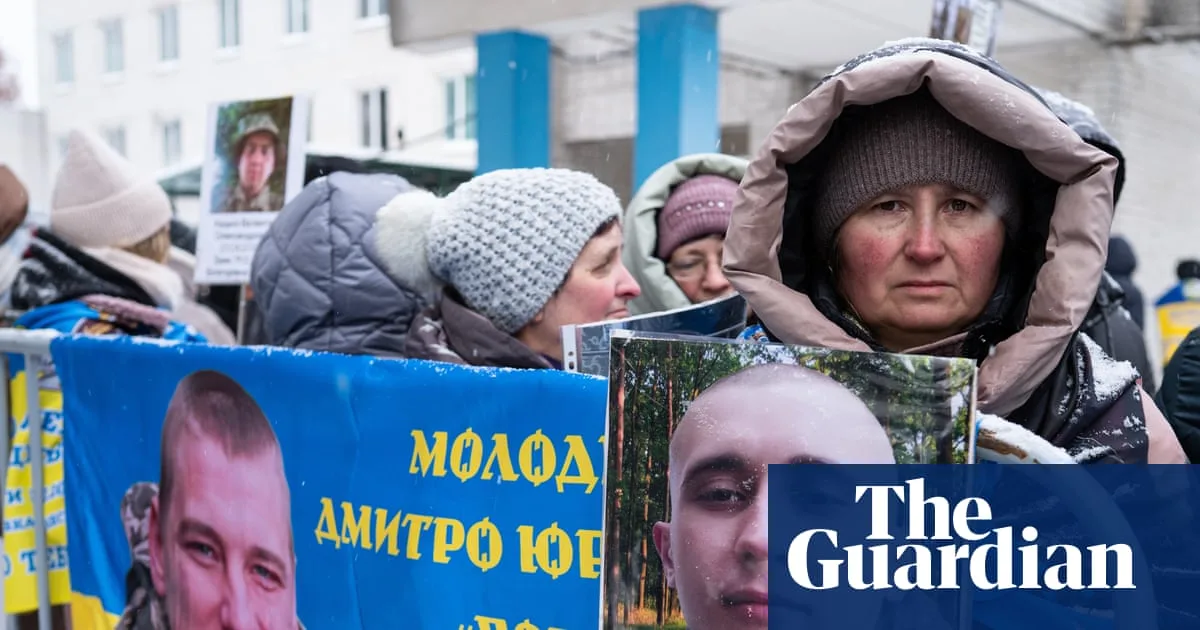
Ukraine and Russia have concluded a second round of US-brokered talks in Abu Dhabi, with the two sides conducting a major prisoner swap and agreeing to resume negotiations soon. Steve Witkoff, Donald Trump's special envoy, cautioned that “significant work remains” in the weeks ahead, dampening expectations of a swift move towards peace.
US Treasury Secretary Scott Bessent indicated that further sanctions against Russia, particularly targeting its shadow fleet, would depend on the progress of peace talks. He credited existing sanctions on Russian oil majors for bringing Moscow to the negotiating table.
Ukrainian President Volodymyr Zelenskyy described the trilateral talks as “not easy” but stressed Ukraine’s commitment to seeking a fair end to the Russian aggression. Russian and Ukrainian officials alike described the negotiations as “genuinely constructive,” with Russia’s representative noting “forward movement.”
Separately, Russia signalled its readiness to engage with more European leaders, saying it would “listen to any proposal” if considered a serious diplomatic effort. Western sanctions are having a “significant impact” on the Russian economy, according to the EU’s sanctions envoy, with oil revenues plummeting, inflation at about 6%, and interest rates at 16%.
Overnight shelling by Ukraine inflicted “serious damage” in the Russian city of Belgorod near the border, the region’s governor confirmed. Power was cut in some districts. No military targets were hit, according to the governor.




