UK Urged to Resist Trump's Iran War as Starmer Faces Tory Pressure
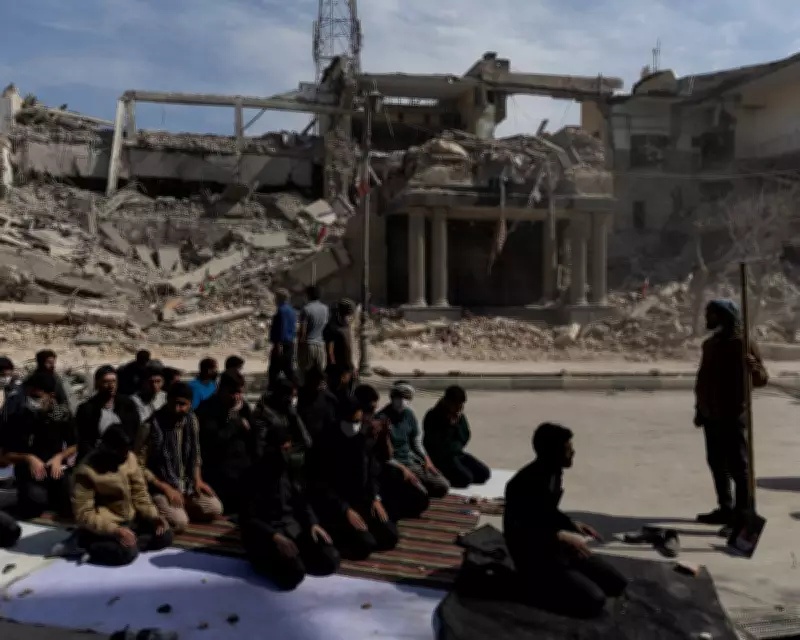
In a stark development, a police headquarters building in Tehran, Iran, was destroyed by airstrikes on 4 March 2026, highlighting the escalating conflict. Simon Jenkins, in a forceful commentary, warns that Britain must not follow Donald Trump into what he terms an "unwinnable war," despite pressure from the Conservative opposition.
Starmer's Initial Stance and Trump's Fury
Keir Starmer's initial response to the Israeli-US attack on Iran was sensible and correct, according to Jenkins. Trump had falsely claimed an imminent US risk, offering no coherent rationale for war. Even after Starmer reluctantly allowed US use of British bases—though unnecessary—Trump reacted with fury, accusing Starmer of lacking Churchillian resolve. Jenkins suggests Starmer should have retorted that Trump is no Franklin Roosevelt, but more akin to George W. Bush.
Britain now contends with an unreliable, mendacious, and warmongering ally in the US, necessitating a principled stance during uncertain times. However, Tory opposition leader Kemi Badenoch has taken a divergent path, supporting Trump in Parliament and asserting, "We're in this war, whether they like it or not." This stance, Jenkins argues, reveals a troubling weakness, implying Britain can be ordered into conflict by other nations.

Unpopularity of the War and Political Divisions
The war in Iran shows no signs of popularity. A recent British YouGov poll found 49% oppose US actions, with only 28% in support, and half object to the use of British bases. In the US, just one in four Americans back Trump's bombing campaign, with former supporters like Tucker Carlson criticising his alignment with Benjamin Netanyahu. Jenkins notes this reflects a dangerous narcissistic disorder, as even far-right influencers express dismay.
Iran represents the sort of open-ended intervention Trump vowed to halt, yet his justifications appear fumbling. Reports suggest the attack was orchestrated by Netanyahu, with Mossad sources mocking CIA claims of authorship. US Secretary of State Marco Rubio admitted to Congress that the initiative was Israel's, not America's, with Trump joining on dubious grounds of fearing Iranian retaliation.
Historical Parallels and Escalating Aggression
What began as a limited decapitation attempt escalated into mass bombing, echoing past failures. Trump had to concede that his prior destruction of Iran's nuclear capability was less effective than claimed, raising questions about the alleged threat. Jenkins draws parallels to George W. Bush's lies about Saddam Hussein, noting that modern wars often start with falsehoods.
Unlike Bush and Tony Blair, who invaded Iraq, Trump relies on aerial bombardment, reminiscent of Lyndon Johnson's Vietnam-era promises. When Johnson sought British support, Harold Wilson refused, yet the special relationship endured. Jenkins criticises Trump's actions, including bombing a girls' school, with perpetrators unlikely to face trial, pleading collateral damage instead.
Britain's Role and the Defence Lobby
This war, Jenkins asserts, has nothing to do with Britain's defence. Marking the 70th anniversary of the Suez fiasco, he recalls past agreements to withdraw forces east of Suez, yet successive governments intervened in unwinnable conflicts like Afghanistan and Iraq. The defence lobby's rhetoric about "punching above our weight" is dismissed as nonsense, with a call for NATO to remain truly North Atlantic.
Today, the world's most armed powers, Russia and the US, are led by egotists waging wars of personal choice. Trump, once averse to "forever wars," has allied with an Israeli leader prone to aggression. Jenkins concludes that Britain should have no part in this mistake, urging political leaders to distance themselves from a conflict that jeopardises global stability.