UK's First Middle East Evacuation Flight Criticised as 'Shambles' by Returning Brits
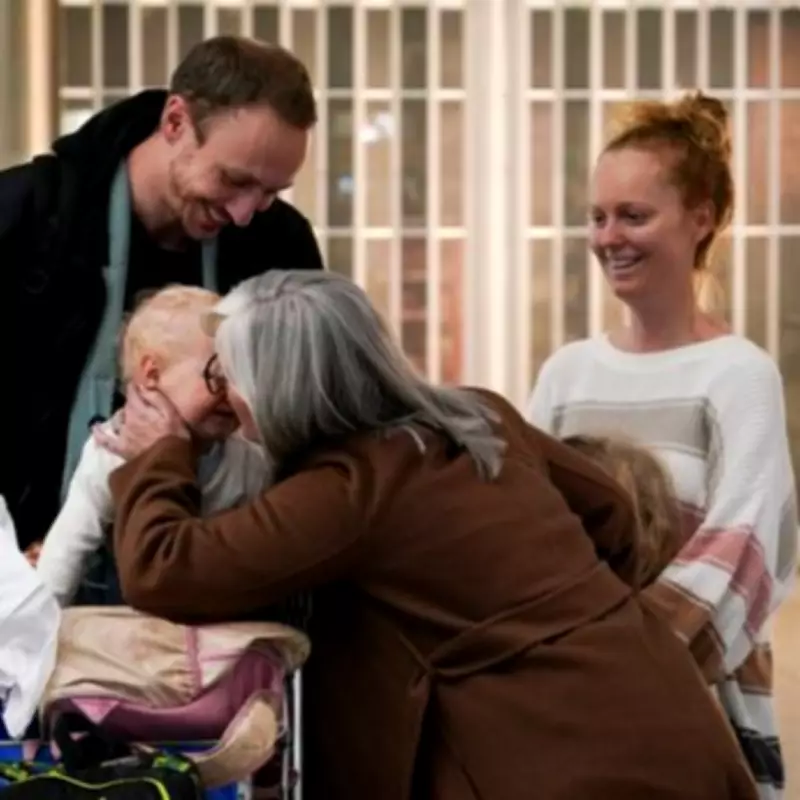
British citizens arriving home from the Middle East on the United Kingdom's inaugural chartered evacuation flight have strongly criticised the organisation of the operation, labelling it a "bit of a shambles." The flight, which was originally scheduled to depart 24 hours earlier, finally brought passengers to Stansted Airport overnight, following significant delays and chaotic circumstances in the region.
Missile Encounters and Terrifying Moments During Evacuation
Passengers shared harrowing accounts of their evacuation experience, with one individual revealing to Good Morning Britain that they were directly under missile fire. "We were right under the missiles and stuff... I grabbed my children and decided to come back. We heard the windows shudder, it was quite a scary time," the passenger recounted. This testimony highlights the perilous conditions faced by those fleeing the escalating conflict in the Middle East.
Another evacuee expressed frustration over the logistical failures, stating, "It was a bit of a shambles on the night when we thought we were going to get a flight and we ended up being trapped on buses and needing to go back." Despite these challenges, the passenger acknowledged relief at being home, adding, "But that's all over now, I'm sure everyone else is glad to be back."

Operational Issues and Passenger Complaints
The evacuation flight from Muscat, Oman's capital, faced additional operational problems. Passengers reported that the aircraft was only half to three-quarters full, raising questions about efficiency and capacity. Furthermore, issues arose in Muscat where local officials encountered discrepancies between passenger information provided and the data they held, complicating the boarding process.
Those on board this first flight were identified as among the most vulnerable individuals requiring urgent evacuation. Although flights had been planned earlier in the week, ongoing uncertainty and violence in the Middle East forced repeated delays, exacerbating the distress of stranded British nationals.
Government Response and Scale of the Evacuation Effort
UK Prime Minister Keir Starmer addressed the situation, emphasising the magnitude of the evacuation operation. He stated, "I want to be very clear, this is a huge undertaking. It’s one of the biggest operations of its kind, many times bigger than the evacuation from Afghanistan. It’s not going to happen overnight, but we will not stop until our people are safe."
The government continues to face mounting pressure as over 100,000 British citizens have registered for evacuation from the Middle East. This crisis was triggered last Saturday when US and Israeli jets bombed Tehran, leading to the death of Supreme Leader Ali Khamenei. In retaliation, Iran launched volleys of missiles at neighbouring nations aligned with Washington DC or hosting US military bases, plunging the region into chaos and necessitating urgent evacuations.
The combination of logistical hurdles, safety concerns, and the sheer scale of the evacuation has underscored the complexities of managing such a large-scale crisis response, leaving many Brits relieved yet critical of the execution.