Britain has agreed to engage in a structured, time-bound, inclusive and good-faith dialogue with countries affected by the slave trade and its legacy, according to a Commonwealth leaders' statement.
The joint statement, known as a communique, said Commonwealth leaders believed the time had come for a meaningful, truthful and respectful conversation towards forging a common future based on equity.
Burnham opens door to formal apology
The agreement follows Prime Minister Andy Burnham opening the door to a formal apology on behalf of the UK for its role in the transatlantic slave trade, while ruling out the prospect of direct reparations.
The communique said: "We welcome the agreement of the Government of the United Kingdom to engage in a structured, time-bound, inclusive and good-faith dialogue with affected parties addressing the transatlantic trafficking of enslaved Africans and its historical harms."
Mr Burnham had faced pressure ahead of the gathering from leaders of Caribbean and African Commonwealth nations to provide money for the long-term impacts of slavery.
Debt reset and infrastructure funding
While the Prime Minister disagreed with those calls, he has set out plans for a debt reset aimed at helping poorer countries struggling with repayments to borrowers.
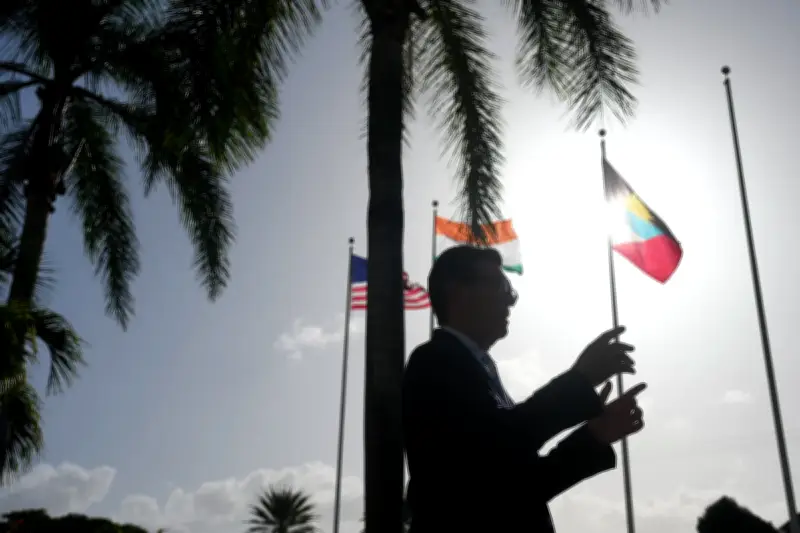
He argued that work to support member states amid rising global interest rate costs must include non-G7 donors and the private sector as he met counterparts in St John's, the capital of Antigua.
The UK will also allocate £40 million over three years from within existing budgets to speed up critical infrastructure investment including green energy in the Caribbean.
Foreign Secretary rules out extra payments
Ed Miliband, the Foreign Secretary, insisted that British taxpayers will not pay a penny more as a result of Mr Burnham's new approach to the Commonwealth.
Speaking to BBC Newscast, he accused previous governments of having had a tendency to sweep under the carpet the issue of slavery, and echoed his boss in ruling out extra financial contributions, as well as the prospect of reparations, for the UK's historical role.
In 2006, Sir Tony Blair expressed deep sorrow and regret for Britain's involvement in the slave trade when he was serving as prime minister, but stopped short of an official apology. Mr Miliband criticised what he described as a sorry, not sorry from Sir Tony, and suggested that the Government might reach the point of a formal apology by the time it hosts the G20 leaders' summit in Manchester next November.
Caricom ready to engage
Calls for an apology and reparations have grown in recent years, with St Lucia's Prime Minister Philip J Pierre, chairman of the 15-member Caribbean Community (Caricom), reportedly saying the bloc was ready to engage in the structured dialogue Mr Burnham had proposed.
The Commonwealth leaders' summit coincided with a visit by the King, who is the head of the group, to the Caribbean. Charles addressed the legacy of slavery as he opened the gathering, telling leaders that it was a shameful chapter of history which "fills my heart with horror and my soul with the most profound personal sorrow".