Britain has agreed to enter formal discussions with countries affected by the transatlantic slave trade, with Commonwealth leaders welcoming a commitment to address its historical legacy through what they described as “structured, time-bound, inclusive and good-faith” talks.
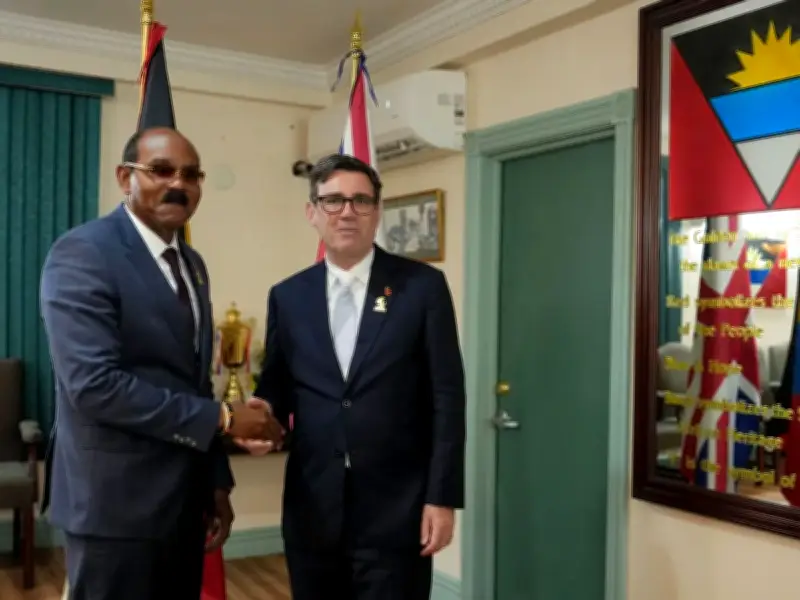
The agreement was confirmed in a joint statement issued at the conclusion of the Commonwealth Heads of Government Meeting (Chogm) in Antigua. Leaders said the discussions should provide an opportunity for a “meaningful, truthful and respectful conversation towards forging a common future based on equity”.
Burnham signals possible apology
The development follows Prime Minister Andy Burnham's decision to signal a willingness to consider a formal apology for Britain's involvement in the slave trade, although he has ruled out making direct reparations payments.
The final communique from the summit stated: “We welcome the agreement of the Government of the United Kingdom to engage in a structured, time-bound, inclusive and good-faith dialogue with affected parties addressing the transatlantic trafficking of enslaved Africans and its historical harms.”
No firm deadline has yet been established for the discussions, with officials expected to agree a timetable at a later stage. Foreign Secretary Ed Miliband has indicated that the process could be completed within 12 months.
Possible G20 progress
There is also the possibility of progress being made before the UK hosts the G20 leaders' summit in Manchester next November. Asked by BBC Newscast whether a formal apology could be on the table by then, Mr Miliband replied: “Broadly speaking, yes.”
Mr Burnham's first Commonwealth summit as Prime Minister has marked a change in the UK's approach to discussions about slavery and its lasting consequences. He had pledged to listen to the concerns of fellow member states and establish a “new approach” to the organisation, following the previous meeting in 2024, when the UK Government resisted demands for an apology and attempted to shift attention towards the Commonwealth's future.
However, the Prime Minister has maintained the position of previous administrations by ruling out direct financial reparations. Instead, he has suggested exploring alternative ways to support developing nations, particularly those facing difficulties with debt repayments.
UK funding and opposition
As part of the wider commitment, the UK will provide £40 million over three years from existing budgets to accelerate investment in essential infrastructure, including renewable energy projects across the Caribbean.
Mr Miliband has stressed that the Government's revised position will not result in British taxpayers paying any additional money. His comments come amid continued questions about whether further financial assistance could be offered without being classified as reparations.
The Foreign Secretary also criticised previous administrations for their handling of the issue, accusing them of repeatedly attempting to “sweep under the carpet” Britain's history of slavery. He said the Government was determined to avoid a repeat of the previous summit, which ended in what he described as a “verbal punch-up”.
Mr Miliband also took aim at former prime minister Sir Tony Blair's statement in 2006, when he expressed “deep sorrow and regret” over Britain's involvement in the slave trade but stopped short of delivering a formal apology. The Foreign Secretary characterised the remarks as a “sorry, not sorry” response.
Pressure for Britain to acknowledge its role in the slave trade, including through an apology and reparations, has intensified in recent years. St Lucia's Prime Minister Philip J Pierre, who chairs the 15-member Caribbean Community (Caricom), has reportedly indicated that the regional organisation is “ready to engage” in the structured discussions proposed by Mr Burnham.
The summit in Antigua took place alongside a Caribbean visit by King Charles, who serves as head of the Commonwealth. Addressing the gathering, the King spoke directly about the lasting legacy of slavery, describing it as a “shameful chapter of history”. He added that the events of the past “fills my heart with horror and my soul with the most profound personal sorrow”.
However, the prospect of a formal apology has attracted opposition from Conservative leader Kemi Badenoch, who has called on the Prime Minister not to make one. She argued that an apology could strengthen demands for financial compensation from Britain.
Ms Badenoch said: “I don’t think we should be giving any money to compensate people for the slave trade, and I don’t think that Andy Burnham needs to be apologising because it is a lever to wedge open the door to ask for cash.”