UAE Travel Safety: Latest FCDO Advice After Missile Attack Kills Two in Abu Dhabi
UAE Travel Safety: FCDO Advice After Missile Attack

UAE Travel Safety Under Scrutiny After Fatal Missile Attack in Abu Dhabi

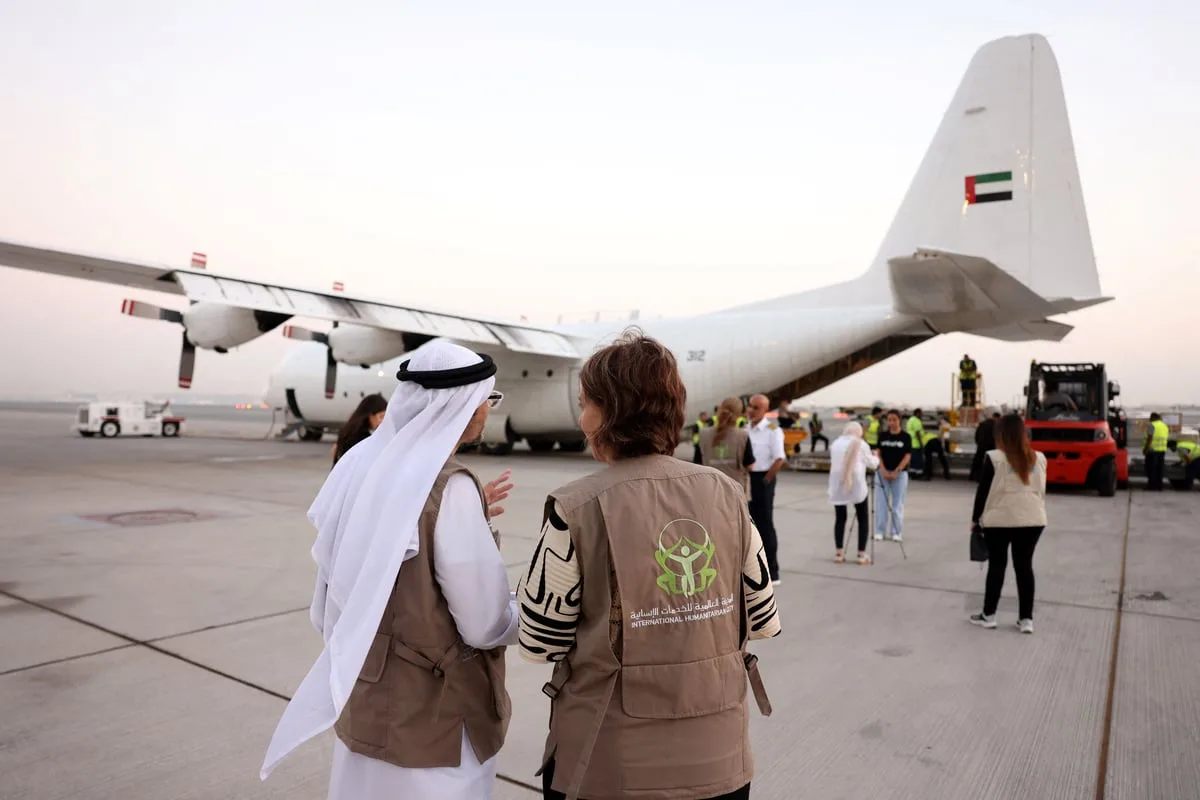
The United Arab Emirates faces heightened security concerns as the UK Foreign, Commonwealth & Development Office (FCDO) has issued a stark warning against all but essential travel to the country. This advisory follows a tragic incident on Thursday, 26 March 2026, where two individuals lost their lives in a missile attack in Abu Dhabi. The UAE authorities reported that the attack involved falling debris on Sweihan Street after air defence systems successfully intercepted a ballistic missile, attributed to an active threat from Iran.

Regional Escalation and Travel Disruption

This event compounds the travel chaos experienced earlier in the month when an Iranian drone strike led to the temporary closure of Dubai's main airport, DXB, on 16 March. The shutdown grounded numerous flights and severely disrupted travel plans across the UAE. Both Dubai and Abu Dhabi are now gradually resuming some flights, but the situation remains volatile. The FCDO emphasises that the regional escalation poses significant security risks and has caused extensive travel disruption, advising British nationals to reconsider any non-essential trips.

FCDO Guidance for British Nationals in the UAE

For those already in the UAE, including Dubai and Abu Dhabi, the FCDO has issued comprehensive safety instructions:

Wide Pickt banner — collaborative shopping lists app for Telegram, phone mockup with grocery list
  • Register your presence with local authorities for updates.
  • Avoid security or military facilities, as well as American or Israeli institutions.
  • Follow instructions from local authorities and monitor media for the latest information.
  • Take shelter immediately if advised, choosing interior rooms with minimal external walls or windows for protection from falling debris.
  • Limit movements to essential journeys, travel during daylight hours, avoid crowded venues, keep mobile phones charged, and inform others of your whereabouts.

The FCDO notes that Iran continues to target civilian infrastructure, such as airports and energy facilities, across the region. British embassies in Abu Dhabi and Dubai are operating normally, but travellers are reminded that posting critical material online about the UAE government or incidents is illegal, following a recent arrest of a British man in Dubai for allegedly filming missiles.

Flight Operations and Travel Options

Dubai International Airport (DXB) has confirmed the gradual resumption of some flights to selected destinations, urging passengers to check with airlines for updates. Zayed International Airport in Abu Dhabi restricts access to confirmed travellers only, advising against travel to the airport without explicit airline confirmation. Emirates, the UAE flag carrier, is operating a reduced schedule and prioritising passenger safety, with rebooking options available for disruptions between 28 February and 15 April. Under air passengers' rights rules, travellers are entitled to be flown to their destination as soon as possible on any available airline.

Departure and Cancellation Considerations

The FCDO advises British travellers to limit movements to essential journeys and consider departing if their presence is not essential, using available commercial options from the UAE or Oman. Travel within or out of the UAE is at your own risk, and those using emergency travel documents via Saudi Arabia should contact British embassies for advice. For cancellations, speak to your travel provider; as the FCDO advises against all but essential travel, you may be eligible for a full refund under the Package Travel Regulations 2018 if there is a significant change at your destination. Note that travelling against FCDO advice could invalidate your travel insurance.

Pickt after-article banner — collaborative shopping lists app with family illustration




