
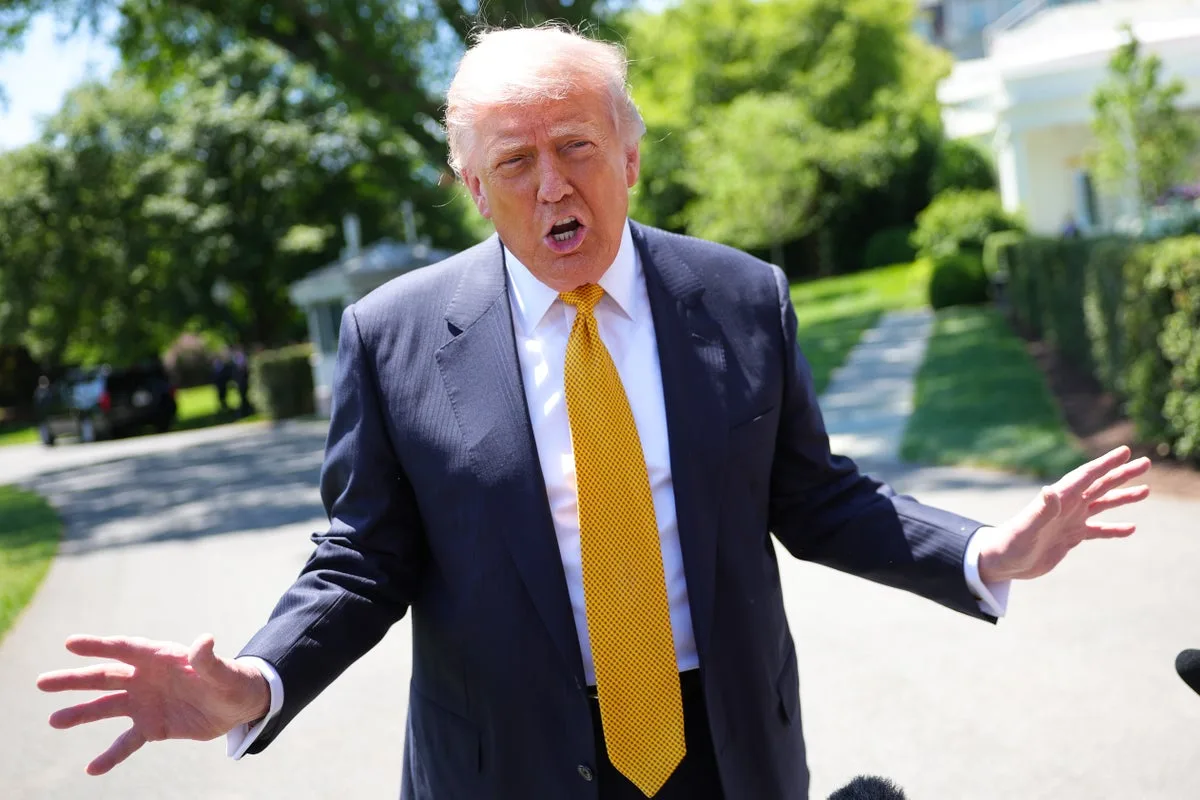
Three months after launching an offensive against Iran, questions are mounting over whether Donald Trump, despite securing numerous tactical victories, is now losing the broader conflict. While the US military has achieved successes, Iran’s firm grip on the Strait of Hormuz, its steadfast refusal to make nuclear concessions, and its theocratic government remain largely intact. This has led to growing doubts among observers that Mr Trump can effectively translate these military gains into a geopolitical triumph he can convincingly present.
His repeated declarations of complete victory are beginning to ring hollow, according to some analysts. The two nations currently find themselves precariously balanced between uncertain diplomatic efforts and Mr Trump’s intermittent threats to resume strikes, actions that would almost certainly provoke Iranian retaliation across the region. There is a significant risk that the United States and its Gulf Arab allies could emerge from this conflict in a worse position. Conversely, Iran, despite suffering military and economic blows, might ultimately gain greater leverage, having demonstrated its capacity to disrupt one-fifth of the world’s oil and gas supplies.
“We’re three months in, and it’s looking like a war that was designed to be a short-term romp for Trump is turning into a long-term strategic failure,” commented Aaron David Miller, a former Middle East negotiator who served under both Republican and Democratic administrations. Analysts suggest that this predicament could make Mr Trump, who has yet to articulate a clear endgame, more inclined to resist any compromise that might be seen as a retreat from his maximalist positions. It could also deter him from any deal resembling the 2015 Obama-era nuclear agreement with Iran, which he unilaterally abandoned during his first term.
White House spokeswoman Olivia Wales asserted that the U.S. has “met or surpassed all of our military objectives in 'Operation Epic Fury'.” She added, “President Trump holds all the cards and wisely keeps all options on the table.” However, Mr Trump campaigned for a second term on a promise of avoiding unnecessary military interventions, yet he has drawn the U.S. into an entanglement that could inflict lasting damage on his foreign policy record and international credibility. This ongoing standoff coincides with domestic pressures, including high U.S. petrol prices and low approval ratings, following his decision to embark on the unpopular conflict ahead of November’s midterm elections.
Consequently, more than six weeks into a ceasefire, some analysts believe Mr Trump faces a stark choice: either accept a potentially flawed deal as an off-ramp or escalate militarily, risking an even more protracted crisis. Among the options if diplomacy collapses, they suggest, would be to launch a series of sharp but limited strikes, frame it as a definitive victory, and then move on. Another possibility, analysts propose, is that Mr Trump could attempt to redirect focus towards Cuba, as he has previously hinted, hoping to change the subject and secure a potentially easier win.
Despite these concerns, Mr Trump is not without his defenders. Alexander Gray, a former senior adviser during Mr Trump’s first term and now CEO of the American Global Strategies consultancy, dismissed the idea that the president’s Iran campaign was faltering. He argued that the severe damage inflicted on Iranian military capabilities constituted a “strategic success,” and that the conflict had brought Gulf states closer to the US.




