Trump's Iran Policy: A High-Stakes Game of Geopolitical Chess
The former US President Donald Trump's approach to Iran has consistently sparked intense debate among analysts and policymakers. His administration's actions, including the withdrawal from the Iran nuclear deal and the imposition of severe sanctions, were framed as efforts to curb Tehran's regional influence and nuclear ambitions. However, critics argue that these moves have often appeared erratic, lacking a coherent long-term vision and potentially escalating tensions in an already volatile region.
Strategic Pressure or Unpredictable Risks?
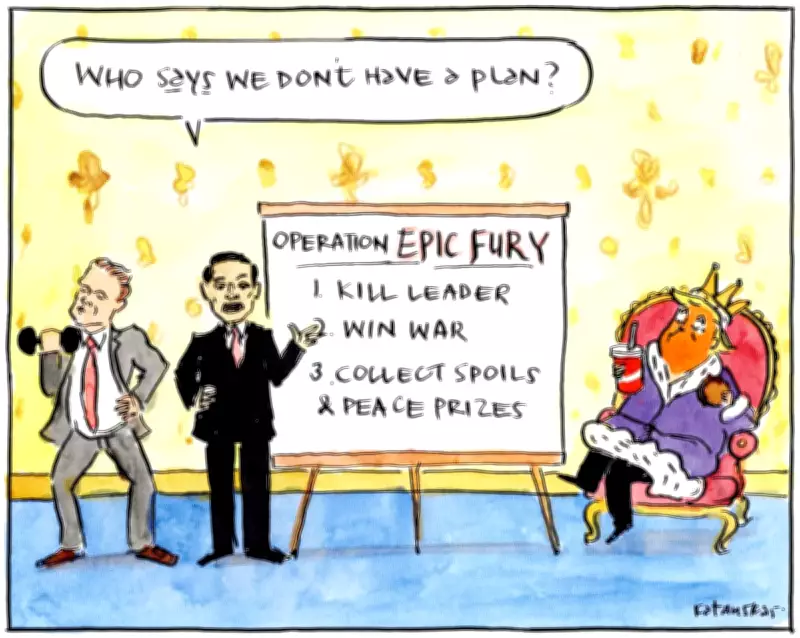
Trump's Iran strategy has been characterised by a combination of maximum pressure tactics and sudden diplomatic overtures. On one hand, the sanctions regime aimed to cripple Iran's economy, forcing concessions on issues like missile development and support for proxy groups. On the other hand, Trump's occasional calls for dialogue with Iranian leaders, without clear preconditions, created confusion about US intentions. This duality has led to questions about whether his actions were part of a calculated plan or driven by impulsive decision-making.
Supporters of Trump's policy point to tangible outcomes, such as the weakening of Iran's financial resources and increased isolation on the global stage. They argue that his tough stance sent a clear message to adversaries about American resolve. Yet, opponents highlight the risks, including heightened military confrontations, such as the 2020 drone strike that killed Iranian General Qasem Soleimani, which brought the two nations to the brink of war. The lack of a clear exit strategy or diplomatic backup plan has raised concerns about unintended consequences.

Impact on Middle East Stability
The repercussions of Trump's Iran policy extend beyond bilateral relations, affecting the broader Middle East. Regional allies, like Israel and Saudi Arabia, welcomed the pressure on Iran, viewing it as a check on Tehran's expansionist activities. However, other nations, including European partners, expressed frustration over the unilateral approach, which undermined multilateral efforts and complicated efforts to revive the nuclear deal. The policy's legacy includes a more fragmented international response to Iran, with ongoing negotiations struggling to find common ground.
In the long term, Trump's actions may have reshaped the geopolitical landscape in ways that are still unfolding. The increased sanctions have pushed Iran to diversify its economic ties, potentially deepening relationships with non-Western powers like China and Russia. Meanwhile, the uncertainty surrounding US policy has left regional actors guessing about future American commitments, fostering an environment of instability. As new administrations take office, the challenge remains to balance pressure with diplomacy, ensuring that short-term gains do not compromise long-term peace.

- Trump's Iran policy combined maximum pressure with unpredictable diplomatic gestures.
- The strategy yielded economic impacts but raised risks of military escalation.
- Regional allies supported the approach, while European partners criticised its unilateral nature.
- Long-term effects include a more fragmented international stance and shifting Iranian alliances.