Trump's Iran Power Plant Threat Risks Global Catastrophe, Experts Warn
If Donald Trump follows through on his threat to obliterate Iran's power plants, the nation of 90 million could face a humanitarian catastrophe of monstrous proportions, with millions struggling for food and water, experts have urgently warned. The US leader announced at a press conference that he would bomb the country back to the Stone Age if a deal isn't reached, stating, 'The entire country can be taken out in one night, and that night might be tomorrow night.'
Immediate Humanitarian Fallout
Amnesty International has advised that destroying Tehran's power infrastructure would be unlawful under international law due to disproportionate harm to civilians. 'When power plants collapse, horrific consequences cascade instantly,' the organisation said. Water pumping stations would fail, clean water would become scarce, and preventable diseases would spread. Food production and distribution networks would collapse, deepening hunger and causing widespread scarcity. Many businesses would shut down, leading to mass unemployment and devastating economic impacts.
Global Economic and Security Threats
Military analysts warn that an American attack would embolden Iran's lust for revenge, triggering a wave of terrorist attacks and plunging the globe into financial Armageddon. Philip Ingram, a former British military intelligence colonel, said Iran could launch attacks against Middle Eastern oil and gas infrastructures and water desalination plants, while strikes on ships in the Strait of Hormuz would continue. The prospect of global recession would become a harsh reality, with Britain, already in a cost-of-living crisis, a prime target for Tehran's sleeper cells. 'We've seen individuals linked to Iranian intelligence arrested on the streets of London in recent weeks,' Ingram noted.

UK and NATO Nations at Risk
Sir Keir Starmer's attempts to keep Britain out of the conflict are futile, Ingram argues, because 'we're tarred with the same brush as the Americans.' In fact, Iran detests the British slightly more, making UK interests across the region, including Cyprus, and potentially British soil itself, targets for missile attacks or terror tactics. 'They have the potential to target Diego Garcia, Cyprus, and theoretically the United Kingdom with ballistic missiles,' Ingram said, though terror tactics are a more immediate concern.
Ineffectiveness and Escalation
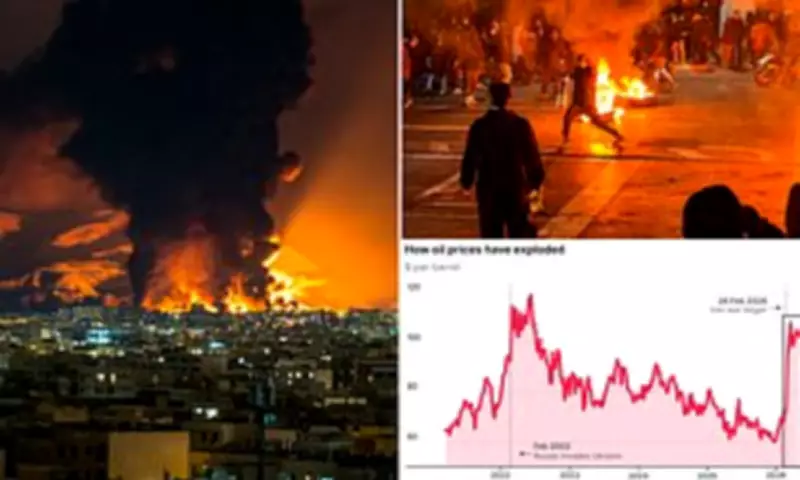
Pummelling Iran's power plants may not force them to reopen the Strait of Hormuz, a vital waterway for a fifth of the world's daily oil and LNG supply. Its closure has surged crude costs, triggering the worst oil crisis in history. Former British Army commander Hamish de Bretton-Gordon said, 'I don’t think destroying Iran's power plants will open the Strait of Hormuz.' Instead, it could cause Iran to double down, mining the strait and attacking shipping, worsening global energy disruptions and making a recession almost certain. This would increase transport costs and impact goods from China, as well as essentials like fertilizers and medical helium.
Broader Regional and Global Impacts
Tehran might also enlist the Houthis to cut off the Strait of Bab al-Mandeb, another key shipping lane carrying 12% of the world's oil, escalating financial woes and pushing oil prices to $150 a barrel. Retaliatory attacks on desalination plants in Gulf states could cut off water for millions, while strikes on oil fields in Saudi Arabia, Qatar, the UAE, and Kuwait would further disrupt global supplies, triggering a cost-of-living emergency in Britain. Richard Walker, the government's cost-of-living champion, has urged an extension of fuel duty cuts to reflect rising petrol prices.
Diplomatic Warnings and Deadline
Pakistani Foreign Minister Ishaq Dar has called for 'urgent de-escalation,' while European Council President António Costa stated, 'Any targeting of civilian infrastructure, namely energy facilities, is illegal and unacceptable.' With a tight deadline looming, only time will tell if Trump escalates hostilities or diplomacy prevails, but the stakes for Iran and the world remain perilously high.