Trump's Hormuz Blockade Bluff Called as Chinese Tanker Breaches US Navy Line
Donald Trump's declaration that the US Navy would block all ships in the Strait of Hormuz has been proven a hollow boast, plunging him into a deepening crisis and inflicting another humiliation on the world stage. The supposed blockade, initiated on Monday, was broken within barely 24 hours, revealing the absurdity of his claims, akin to the AI-generated images of himself as Jesus that he previously shared.
Blockade Broken by Defiant Shipping
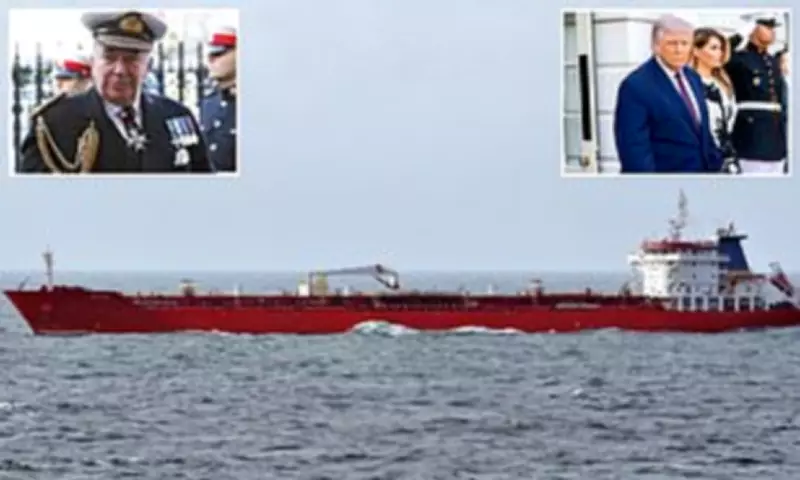
The Rich Starry, a 600-foot oil tanker owned by a Shanghai shipping firm and carrying 250,000 barrels of methanol from the UAE, approached the Strait on Tuesday. Despite Trump's bluster, the US did not prevent its passage, unable to act without risking World War III. The vessel, sailing with a Chinese crew, broadcast its identity loudly before sailing through, followed by three more ships that ignored the blockade. This swift breach makes it clear that the 16 US warships deployed are insufficient, a stark contrast to Iran's own shutdown, which has remained solid for weeks.
Escalation Risks and Global Implications
Trump now faces a dire choice: back down and allow unimpeded shipping, a craven humiliation, or order the military to board and seize ships, a momentous step that could spark open war. Boarding a Chinese tanker by force would amount to an invasion of sovereign territory, scarcely different from seizing an island or beach. Experts suggest the Americans deliberately chose not to enforce the blockade, perhaps to avoid catastrophic escalation. China's foreign ministry had already denounced the move as 'dangerous and irresponsible,' adding diplomatic pressure.

Strategic Feasibility and Broader Consequences
While the blockade is theoretically feasible—naval forces can seize merchant ships with helicopters and armed troops—it risks creating more problems than it solves. Iran has anticipated such actions by stockpiling oil on tankers at sea, with an estimated 160 million barrels already afloat, enough to supply China for three months. Tehran has also vowed retaliatory attacks on Gulf states like the UAE and Saudi Arabia, threatening to ramp up pressure on the global economy as oil prices hover around $100 per barrel, up from $72 before the conflict.
Britain's Role and Preparedness
For Britain, controlling an erratic US President is impossible, but proactive measures are essential. The Royal Navy should offer minesweeping assistance to Gulf allies, particularly Oman, leveraging its world-class anti-mine technicians. Additionally, deploying at least one warship to the region would help protect British bases and nationals. This is not Britain's war, but preparedness is crucial to face whatever unfolds next, as global tensions simmer.