
A ceasefire agreed last month is at the point of collapse after almost a week of tit-for-tat exchanges escalated tensions across the Gulf region. Donald Trump has rejected Iranian claims to have closed off the Strait of Hormuz, as both sides battled for control over the waterway.
US forces said they attacked 140 targets in Iran on Saturday night and Sunday morning after Tehran struck and disabled a container ship in the strait. US Central Command said its targets included missile and drone sites, naval facilities, ammunition depots, communication networks and surveillance locations. Iran retaliated with drone and missile strikes it said were aimed at US interests across the Gulf, with reports of attacks in the United Arab Emirates, Qatar, Jordan, Bahrain and Oman.
The Islamic Revolutionary Guard Corps declared the strait closed, but US Centcom said some ships were continuing to cross the waterway. “Iran does not control the strait. Traffic is flowing,” it said. Later, Trump said US forces were keeping the strait open by force. “It’s open. We bombed the hell out of them last night,” he told NBC’s Meet the Press.
A US-Iranian memorandum of understanding signed on 17 June extended a ceasefire in the war by 60 days to allow restoration of trade through the strait and create breathing space for talks on Tehran’s nuclear programme and sanctions relief. Those negotiations have failed to materialise, and the MoU started to unravel when Iran attacked three commercial vessels on Monday night. Tehran is determined that any long-term settlement recognises its control over the strait.
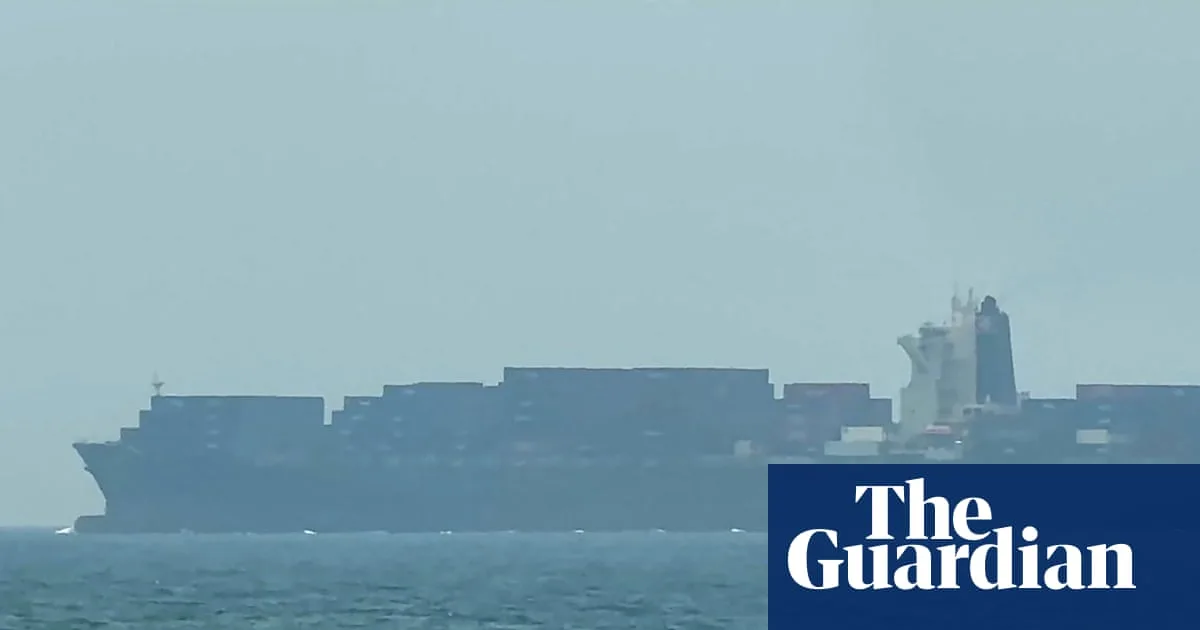
In the latest round of strikes, Iran hit a Cypriot-flagged container ship, the GFS Galaxy, which was disabled and its crew forced to take to lifeboats. In response, Centcom struck 140 Iranian military targets to degrade Iran’s ability to attack civilian mariners. Iran’s retaliatory drone and missile attacks were apparently aimed at US bases in neighbouring Arab countries. The IRGC claimed to have destroyed logistical support centres at the port of Duqm in Oman, which condemned the attack.




