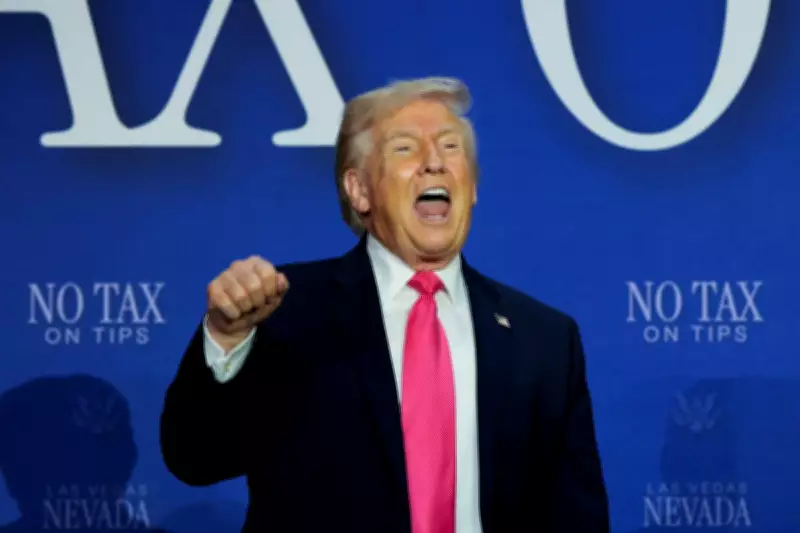
A 10-day ceasefire between Israel and Hezbollah in Lebanon has officially come into effect, marking a significant pause in hostilities after weeks of intense Israeli military strikes. Former US President Donald Trump proclaimed this development as a "historic day for Lebanon," urging the militant group Hezbollah to act "nicely and well" to foster lasting peace in the region.
Key Figures React to the Truce
Israeli Prime Minister Benjamin Netanyahu agreed to the temporary truce, stating it presents a crucial opportunity to advance peace efforts with Lebanon. He emphasized that this ceasefire could pave the way for a historic agreement between the two nations, though he clarified that it does not involve any Israeli withdrawal from southern Lebanon.
Lebanese and Hezbollah Responses
Lebanese President Joseph Aoun welcomed the agreement, despite Lebanon not being an active party in the conflict. He expressed hope that the ceasefire would lead to broader diplomatic resolutions. Meanwhile, Hezbollah issued a statement asserting that the truce must apply uniformly across all Lebanese territory and should not permit Israeli freedom of movement, highlighting ongoing tensions.

Background and Implications
The ceasefire follows a period of escalating violence, with Israeli strikes targeting Hezbollah positions in Lebanon. This temporary halt in fighting is seen as a potential stepping stone towards more substantive peace talks, though both sides remain cautious. The international community is closely monitoring the situation, with many hoping the truce will hold and lead to reduced regional instability.
As the ceasefire unfolds, analysts are assessing its impact on Middle East diplomacy and the prospects for a longer-term resolution. The involvement of figures like Trump adds a layer of complexity, given his past foreign policy initiatives in the region.