Trump Issues Ultimatum for Iran's Unconditional Surrender Amid Escalating Conflict
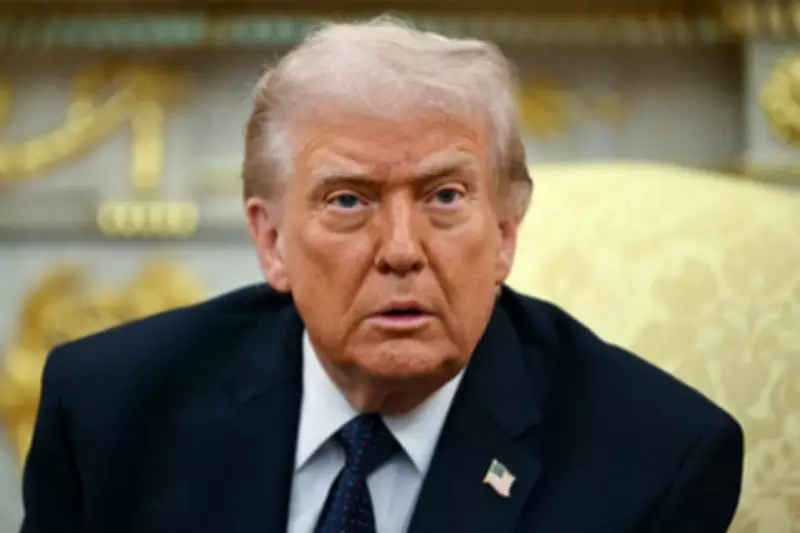
President Donald Trump has declared that "unconditional surrender" is the sole path to ending the ongoing US-Israeli war with Iran, now entering its seventh day of intense hostilities. In a forceful statement on Truth Social, Trump emphasized there will be no negotiations, only total capitulation from Iran, coupled with his demand for a role in selecting the nation's next leadership.
Military Strikes Intensify as Casualties Mount
The United States and Israel have relentlessly targeted Iranian military assets, leadership figures, and nuclear facilities throughout the week. Israeli airstrikes have focused on Tehran, reportedly destroying the underground bunker of the late Supreme Leader Ayatollah Ali Khamenei. In retaliation, Iran has launched additional attacks across Israel and the Gulf region, escalating the conflict further.
US Central Command (Centcom) reports that more than 30 Iranian vessels have been destroyed since Operation Epic Fury commenced last Saturday. Defense Secretary Pete Hegseth warned of a "dramatic surge" in offensive actions, with American forces utilizing British military bases to amplify their firepower. Hegseth detailed plans for increased fighter squadrons, enhanced defensive capabilities, and more frequent bomber pulses over Iranian territory.

UK Shifts Stance on Military Support
Initially critical of Britain's hesitation, the US has welcomed a policy shift by Prime Minister Sir Keir Starmer, who has relaxed rules allowing the use of UK bases for "limited, specific defensive purposes" to protect allied interests. Deputy Prime Minister David Lammy indicated a tougher stance, suggesting RAF jets could legally strike Iranian missile sites to prevent attacks on British assets in the Middle East.
A Number 10 spokesperson affirmed the UK's commitment to defending regional allies while permitting US strikes on Iranian targets, stating, "We have consistently said that we'll take the necessary steps to prevent future strikes... allowing the US to take out those missiles at source whilst we are defending the skies."
Global Oil Markets in Turmoil
The conflict has triggered a severe oil crisis, with Brent crude prices soaring above 88 US dollars per barrel, marking the highest level since April 2024. Greg Jackson, CEO of Octopus Energy, described energy markets as "in a state of turmoil," exacerbated by Iran's control over the Strait of Hormuz—a critical waterway for approximately one-fifth of global oil shipments.
The Islamic Revolutionary Guard Corps has threatened to set fire to any vessels attempting passage through the strait, claiming "complete control" over this vital route. This disruption threatens to deepen the cost-of-living crisis in Britain, with consumers bracing for higher energy costs and economic instability.
Evacuation Efforts for Stranded Citizens
Amid the chaos, the UK government has initiated evacuation flights for British nationals trapped in the war zone. The first charter flight arrived early Friday from Muscat, Oman, with passengers recounting harrowing experiences, including sleeping in car parks in Dubai amid explosions. A second evacuation flight departed Oman on Friday afternoon, continuing efforts to rescue stranded citizens.
As protests erupt in Shiite Muslim communities, with effigies of Trump and Israeli Prime Minister Benjamin Netanyahu burned, the international community watches closely. The conflict's ripple effects—from military escalations and geopolitical shifts to economic disruptions—underscore the high stakes of Trump's demand for Iran's unconditional surrender.