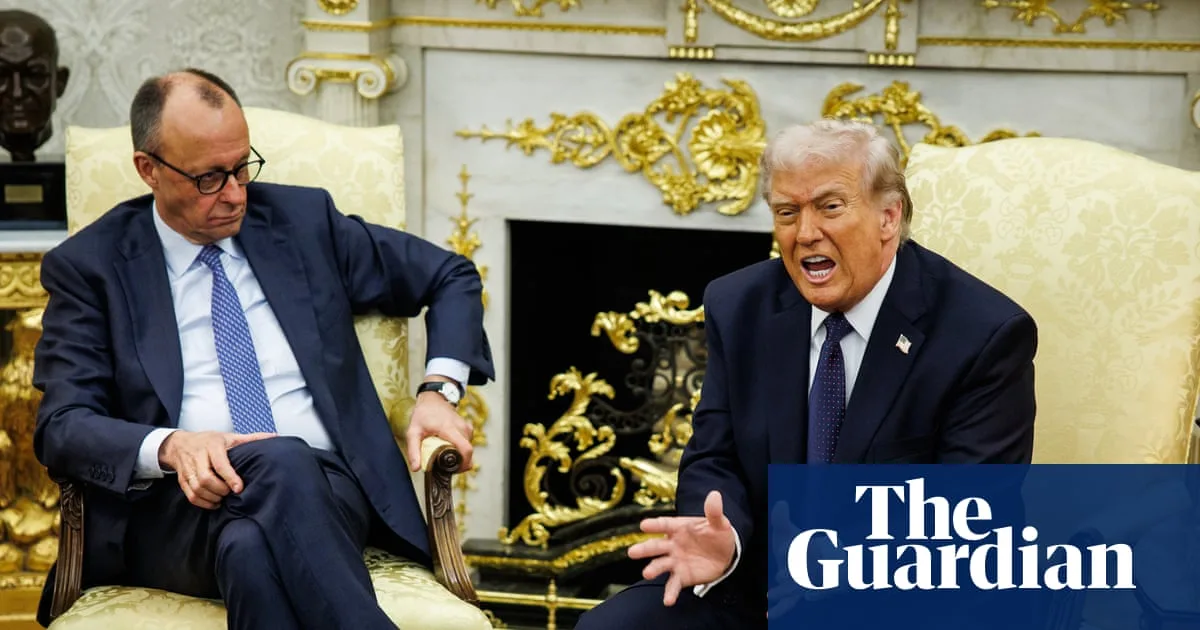
Former US President Donald Trump has declared that a full-scale military invasion of Iran would be "a waste of time" and called for the Islamic Republic to install a new leader who would comprehensively overhaul the nation. Trump made these remarks in an interview with NBC News on Thursday, as Iran grapples with the succession following the death of Supreme Leader Ayatollah Ali Khamenei.
Trump's Vision for Iran's Future
Trump emphasised his desire for a transformative leadership change in Iran, stating, "We want to go in and clean out everything. We don't want someone who would rebuild over a 10-year period." He suggested that he has individuals in mind who could "do a good job" as Iran's new leader, though he refrained from naming any specific candidates. Trump added sarcastically that Iranian authorities might eventually seek his opinion on the matter, saying, "At some point they'll be calling me to ask who I'd like" to succeed Khamenei.
Iran's Leadership Transition and Regional Escalation
According to reports from Al Jazeera, Iran's interim council has convened discussions regarding the Assembly of Experts, the body responsible for selecting the next supreme leader. Mojtaba Khamenei, the 56-year-old son of the late ayatollah, has emerged as the frontrunner, despite lacking high clerical rank or official governmental experience. However, Trump expressed skepticism about Mojtaba's prospects, deeming his ascension "unlikely."
Trump's comments come amid a severe escalation in regional hostilities. Iran launched what has been described as its "most intense barrage" yet on Thursday night, targeting Israel and US allies in the Gulf with drones and missiles. Strikes were reported in Saudi Arabia's capital Riyadh and Abu Dhabi's Yas Marina, where six individuals sustained injuries from falling debris. Azerbaijan also reported attacks by Iranian-made drones near its border, injuring four civilians.
Dismissal of Iranian Threats and Military Assessments
Trump directly countered statements from Iranian Foreign Minister Abbas Araghchi, who warned that a US ground invasion would result in "a big disaster" for American forces. Dismissing this as a "wasted comment," Trump asserted, "It's a waste of time. They've lost everything. They've lost their navy. They've lost everything they can lose." He further claimed that Iran's military capabilities have been severely degraded, stating, "They have no air force, they have no air defense," and boasting that US and Israeli operations have "totally demolish[ed] the enemy."
US Military Strategy and International Dynamics
US Secretary of Defense Pete Hegseth indicated that military pressure on Iran is set to intensify, warning, "The amount of firepower over Iran and over Tehran is about to surge dramatically." Hegseth also commented on the political dimension, suggesting Trump would have "a heck of a say in who runs Iran given the ongoing operation." Additionally, Hegseth expressed frustration that UK Prime Minister Keir Starmer did not initially permit attacks from British bases, though access was eventually secured.
The conflict has seen significant naval engagements, including the sinking of the Iranian warship Iris Dena by a US submarine—marking the first torpedo sinking of an enemy vessel by the US since World War II. Iranian officials condemned this as "an atrocity at sea" and vowed retaliation. Meanwhile, Israeli Defense Forces (IDF) Chief of Staff Lt Gen Eyal Zamir stated that operations are proceeding as planned, aiming to further "dismantle the regime and its military capabilities."
Broader Regional Implications and Casualties
The expanding conflict has drawn in multiple nations and non-state actors. Hezbollah, the Iran-backed militant group in Lebanon, launched missiles at Israel in retaliation. Saudi Arabia intercepted cruise missiles near Al-Kharj, while the US embassy in Riyadh issued security alerts. In Bahrain, an Iranian missile struck a major petroleum refinery, causing a substantial fireball.
Casualties and damage continue to mount, with reports of extensive destruction in Tehran, including key buildings and a sports stadium. Iranian cleric Ayatollah Abdollah Javadi Amoli used state television to call for "the shedding of Zionist blood, the shedding of Trump's blood," highlighting the deep-seated animosities fueling the crisis.
As the situation evolves, Trump's stance underscores a preference for regime change over large-scale invasion, positioning leadership transition as a pivotal element in resolving the ongoing Middle East turmoil.






