Trump Accuses Iran of Deadly School Strike as US Evidence Points to American Bomb
Former President Donald Trump has publicly blamed Iran for a devastating airstrike on a girls' school in southern Iran that killed at least 175 people, including numerous children. This assertion comes despite mounting evidence from US investigators suggesting American munitions were responsible for the attack.
Conflicting Narratives Emerge
Speaking to reporters aboard Air Force One on Saturday, Trump dismissed suggestions of US involvement, stating emphatically: "No. In my opinion, based on what I've seen, that was done by Iran." He elaborated that Iran's military capabilities were too inaccurate to avoid such civilian casualties, claiming "they have no accuracy whatsoever."
Defense Secretary Pete Hegseth, standing alongside Trump, acknowledged ongoing investigations but reinforced the administration's position: "The only side that targets civilians is Iran." Trump later repeated his accusation with increased confidence, firmly placing responsibility on Tehran.

Evidence Points to US Involvement
Neither side has officially claimed responsibility for the February 28 attack in the town of Minab. However, analysis conducted by The New York Times presents compelling evidence contradicting Trump's claims:
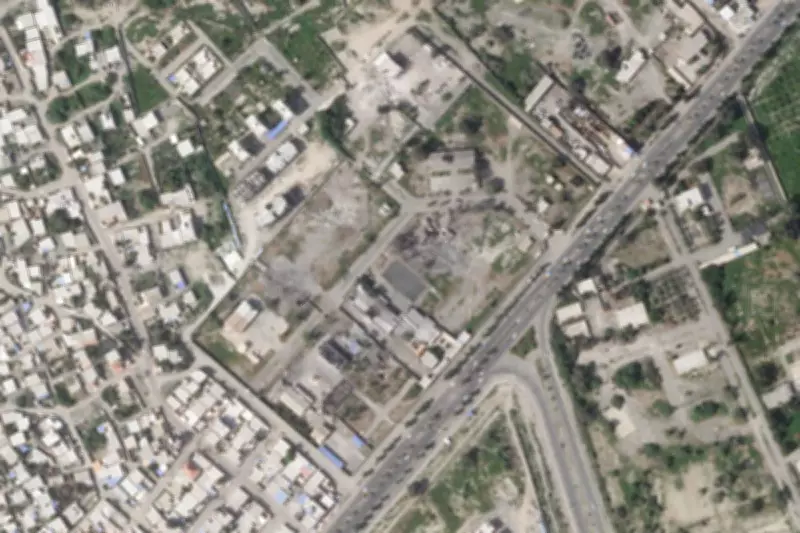
- Satellite imagery shows the school was struck simultaneously with US attacks on nearby buildings
- Social media posts and videos from the timeframe have been independently verified
- Geolocation experts confirmed large plumes of smoke originated from both the school and adjacent military base
- Pentagon statements confirm US strikes were conducted on an Islamic Revolutionary Guards Corps naval base adjacent to the school
Investigation Challenges and Theories
The investigation has faced significant obstacles, including:
- No visible weapon fragments in satellite images
- Independent journalists being unable to access the scene
- White House maintaining vague and defensive positions on the incident
National security analyst Wes J. Bryant, a former US Air Force member and Pentagon adviser on civilian harm, suggested the most plausible explanation was "target misidentification" - that those conducting the strikes didn't realize civilians were present in the building.
Theories about faulty Iranian missiles causing the damage have been dismissed, as experts note a single munition couldn't produce such extensive destruction. The coordinated US-Israel strike campaign, ongoing for over a week at the time, had expanded to multiple Middle Eastern targets.
As conflicting narratives continue to emerge, the international community awaits conclusive evidence about responsibility for one of the deadliest civilian attacks in recent Middle Eastern conflict.