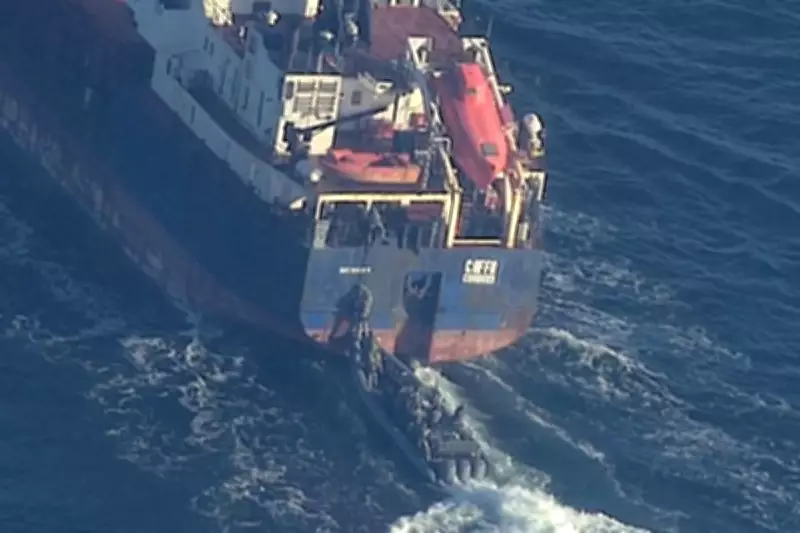
Swedish authorities have taken decisive action by boarding a cargo ship in the Baltic Sea, which they suspect is operating as a stateless vessel. The incident, which unfolded on Friday, March 6, 2026, involved the vessel named Caffa, which was sailing under a Guinean flag within Swedish territorial waters when it aroused official suspicions.
Investigation Underway
The Swedish Coast Guard, acting on these concerns, conducted a boarding operation to search the ship and interview its crew. A primary focus of the investigation is the seaworthiness of the Caffa, though specific details about the vessel or the findings remain undisclosed at this time. This move underscores Sweden's proactive stance in maritime security and regulatory enforcement.
Background on Sweden's Maritime Policy
This event aligns with Sweden's announcement last year to step up insurance checks on foreign ships. The policy is specifically designed to tighten controls on what is often referred to as Russia's "shadow fleet"—a collection of aging vessels used to transport oil, gas, or allegedly stolen Ukrainian grain. These ships, with an average age of around 18 years, are nearing the end of their operational lifespan and pose increased risks of accidents, particularly if maintenance is inadequate.

In 2025, the Swedish government tasked the Coast Guard and the Swedish Maritime Administration with collecting insurance information not only from ships docking at Swedish ports but also from those passing through the country's territorial waters and exclusive economic zone. While authorities have not confirmed whether the Caffa is part of this shadow fleet, the timing of the boarding suggests a heightened vigilance in the region.
International Context and Escalating Tensions
The situation in the Baltic Sea occurs against a backdrop of rising international tensions over shadow fleets. Last month, the United Kingdom threatened to seize a Russia-linked oil tanker, marking an escalation in disputes between the two nations. According to British defence sources, discussions among NATO allies have identified military options for capturing rogue ships, highlighting the strategic importance of these maritime issues.
This development follows recent collaborative efforts, such as the UK's support for a US operation to seize a Russian-flagged tanker in the North Atlantic. British armed forces assisted in the capture of the Marinera, a vessel previously linked to Venezuela, as it navigated waters between Iceland and Scotland. Subsequently, defence sources indicated that options for seizing additional vessels were under consideration, with the Special Boats Service (SBS) likely to lead any such raids, though no specific timeframe has been provided.
The boarding of the Caffa by Swedish authorities thus represents a significant step in ongoing efforts to address stateless and shadow fleet operations, reflecting broader geopolitical and security concerns in European waters.