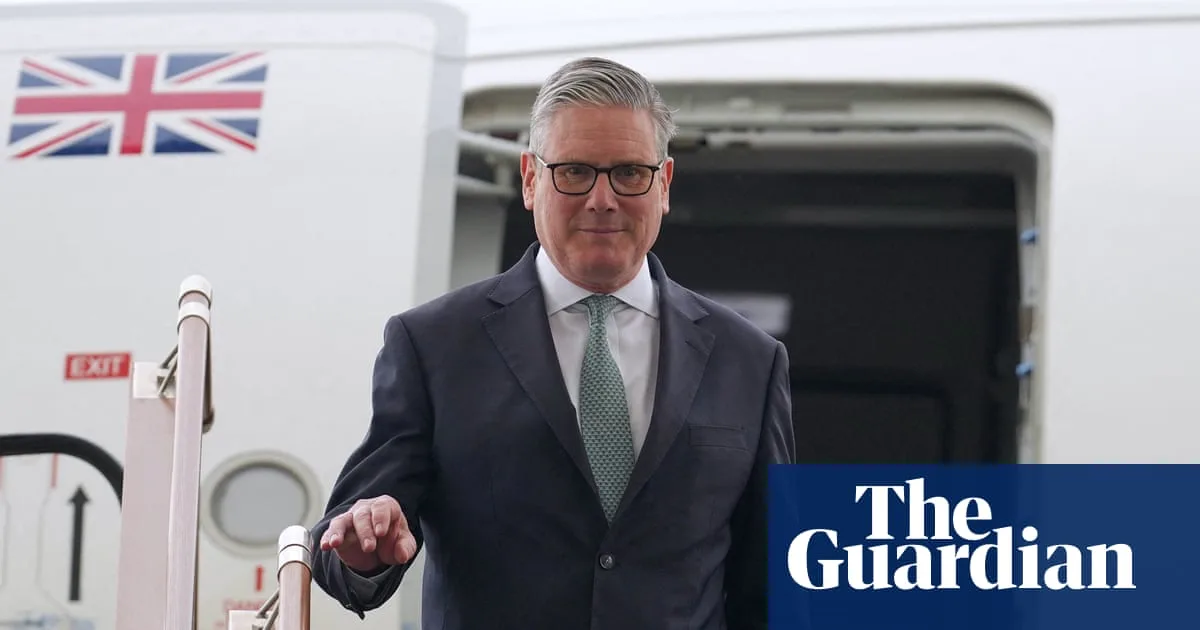
Starmer Urges Israel to Halt Lebanon Strikes Amid Regional Tensions
Starmer Urges Israel to Halt Lebanon Strikes

Starmer Issues Stern Warning to Israel Over Lebanon Military Actions

Prime Minister Keir Starmer has intensified diplomatic pressure on Israel to cease its military strikes against Lebanon, cautioning that the ongoing conflict is precipitating a devastating humanitarian crisis in the region. In a comprehensive statement delivered to Members of Parliament, Starmer emphasised the urgent need for Lebanon to be incorporated into existing ceasefire arrangements.

Fragile Ceasefire and Regional Instability

The Prime Minister characterised the Middle East as remaining on the edge, with a ceasefire brokered between the United States, Israel, and Iran described as highly fragile. He underscored that substantial diplomatic efforts are required to de-escalate tensions and achieve a sustainable peace agreement. Whilst the ceasefire between the US, Israel and Iran is undeniably welcome, it is also highly fragile, Starmer told the Commons, adding that the region remains on edge.

Starmer explicitly condemned Israel's military actions in Lebanon, stating they are wrong and are having devastating humanitarian consequences, pushing Lebanon deeper into crisis. He reiterated demands for Hezbollah to disarm but maintained that Israel's strikes are unacceptable and counterproductive to peace efforts.

Wide Pickt banner — collaborative shopping lists app for Telegram, phone mockup with grocery list

Rejection of US Blockade in Strait of Hormuz

In a significant foreign policy declaration, Prime Minister Starmer firmly rejected former US President Donald Trump's blockade of the Strait of Hormuz, asserting that the United Kingdom advocates for the vital shipping route to remain open, not shut. He clarified that the UK is not supporting the blockade and emphasised that British diplomatic and military resources in the region are focused exclusively on restoring full freedom of navigation.

We're not supporting the blockade, Starmer confirmed in an interview with BBC Radio 5, explaining that UK efforts are all focused from our point of view on getting the Straits fully open to help reduce global energy prices. The Prime Minister criticised Iran for having shamefully exploited the Strait during the conflict, while acknowledging Gulf leaders' insistence that freedom of navigation must be restored.

Economic Implications and International Diplomacy

The geopolitical tensions have triggered significant economic repercussions, with Iran's control over the Strait of Hormuz—which transports approximately one-fifth of global oil and gas—sending gas prices soaring. Oil prices have surged beyond $100 per barrel following the collapse of US-Iran peace talks and Trump's aggressive threats. The Resolution Foundation think tank warns that the conflict could leave the average UK household £480 worse off this financial year.

In response to the crisis, the United Kingdom and France will co-host an international summit this week aimed at driving forward the international effort to resolve the conflict and reopen the Strait. Meanwhile, Deputy Prime Minister David Lammy has travelled to the United States for meetings with US Vice President JD Vance and Secretary of State Marco Rubio, while Chancellor Rachel Reeves will attend economic discussions in Washington DC regarding the Middle East crisis.

Parliamentary Scrutiny and Defence Planning

During nearly two hours of parliamentary scrutiny, MPs challenged Starmer on the UK's specific actions to de-escalate the situation in Lebanon. Emily Thornberry, chair of the foreign affairs committee, expressed grave concern over Israel's threat to apply the model in Gaza to Lebanon, questioning what measures the UK is taking to secure a ceasefire.

Separately, Starmer addressed delays in the UK's defence investment plan, assuring MPs that his government is finalising a robust plan for future defence and protection, contrasting it with what he described as unfunded and undeliverable plans inherited from the previous administration. We inherited plans which were unfunded and not deliverable, he stated, emphasising the importance of avoiding past mistakes.

Pickt after-article banner — collaborative shopping lists app with family illustration

The Prime Minister concluded by advocating for a calm but strong approach to navigating global volatility, reinforcing the UK's commitment to diplomatic solutions while maintaining firm positions on humanitarian and economic priorities in the Middle East.




