Prime Minister Sir Keir Starmer has touched down in Paris to co-chair a high-stakes international summit focused on reopening the critically important Strait of Hormuz. The vital shipping lane has been under a blockade imposed by Iran since late February, following the commencement of joint military strikes by the United States and Israel. This blockade poses a severe threat to the stability of global oil supplies, sparking urgent diplomatic efforts.
Urgent Diplomatic Mission in the French Capital
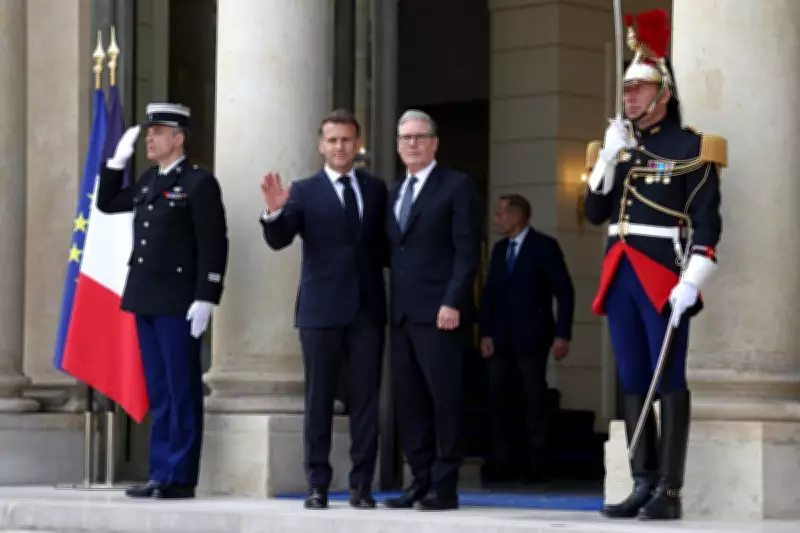
The meeting, hosted by French President Emmanuel Macron at the historic Elysee Palace, brings together representatives from forty nations alongside the International Maritime Organisation. The primary objective is to formulate a coherent and actionable plan for a multinational mission dedicated to protecting freedom of navigation in the region. Sir Keir, upon arrival, was greeted warmly by President Macron in the palace courtyard, where the two leaders exchanged handshakes and posed for official photographs ahead of their scheduled bilateral discussions and a working lunch.
A Coalition for Navigation and Stability
In a statement to broadcasters prior to the summit, Prime Minister Starmer emphasised the critical importance of building a broad international coalition. "It is very important that we build a coalition of countries around the principle that the ceasefire should be permanent, there should be a deal, and that the Strait of Hormuz is open," he stated. He is accompanied by a high-level delegation including Foreign Secretary Yvette Cooper and Chief of the Defence Staff, Sir Richard Knighton.

Starmer is expected to deliver a firm message to the assembled delegates, asserting a shared commitment with President Macron. "Emmanuel Macron and I are clear in our commitment to establish a multinational initiative to protect freedom of navigation," he will say. "We must reassure commercial shipping and support mine clearance operations to ensure a return to global stability and security."
Complex Geopolitical Backdrop
The talks unfold against a complex and volatile geopolitical backdrop. In retaliation for the Iranian blockade, US President Donald Trump has initiated his own blockade targeting Iran's oil ports, aiming to cripple Tehran's fossil fuel revenue. President Trump has also called upon allied nations to assist in ending Iran's stranglehold on the strait. Notably, the United States, Israel, and Iran are not expected to be in attendance at the Paris meeting, yet Starmer remains hopeful that progress can still be achieved through diplomatic channels.
A potentially positive development coincides with the summit: a ten-day ceasefire between Lebanon and Israel has just come into effect. Diplomatic observers suggest this localised truce could provide a crucial window to extend ceasefire efforts between Iran, the US, and Israel, potentially paving the way for the resumption of maritime traffic through the strait.
Military Planning and Operational Realities
The diplomatic discussions in Paris are set to be followed by a detailed multinational military planning summit. This subsequent meeting is scheduled to take place next week at the UK's permanent joint headquarters located in Northwood, north-west London. The focus will shift to the practicalities of any potential naval mission.
However, significant operational hurdles remain. It is considered highly improbable that any participating nation will deploy naval vessels to the Strait of Hormuz while active hostilities persist. Military analysts deem such a deployment excessively dangerous due to the acute risk of attacks launched from Iran's extensive shoreline. The immediate goal, therefore, remains centred on achieving a durable diplomatic and ceasefire agreement as a necessary precursor to any physical safeguarding operation.