At least 22 people have died in protests across Pakistan and Iraq following the killing of Iran's supreme leader, Ayatollah Ali Khamenei, in US-Israeli strikes. Demonstrators targeted US government buildings in Karachi and Baghdad, leading to violent clashes with security forces.
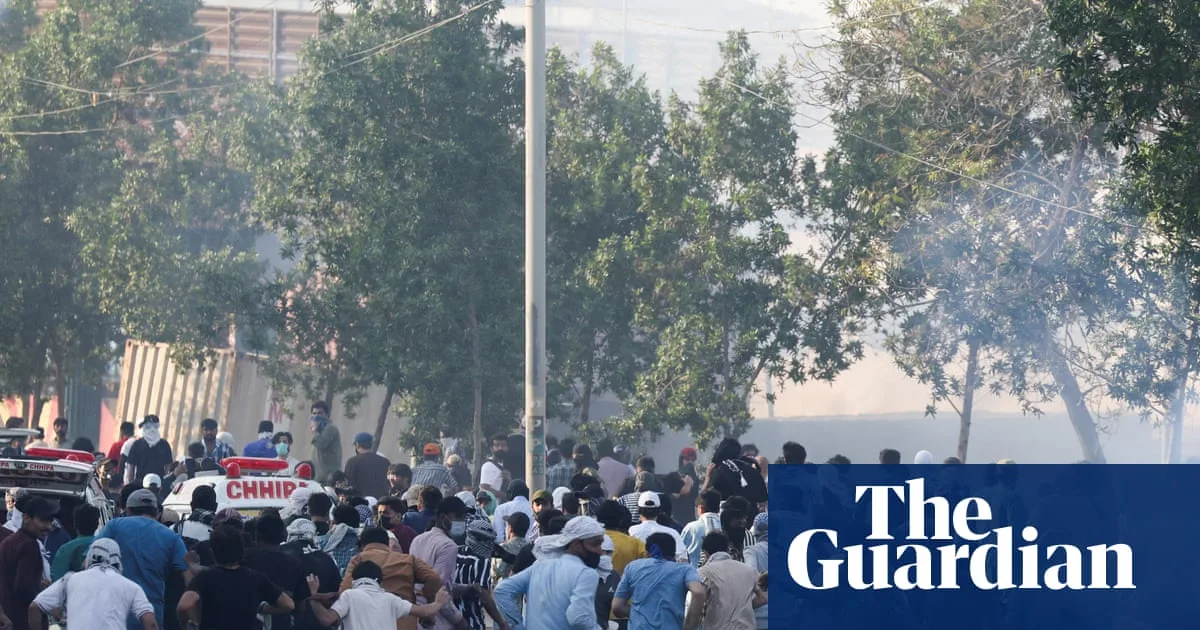
In Karachi, hundreds of protesters marched on the US consulate, chanting against the offensive before entering the reception hall and lighting a small fire. Security forces opened fire, killing ten people and injuring over 30, according to a local medical official. A video on social media showed a man shouting: 'The death of the leader has been avenged.'
Violence in other parts of Pakistan left ten dead in Gilgit-Baltistan and two in the capital, Islamabad. In Iraq, security forces fired teargas as hundreds of pro-Iran protesters tried to storm Baghdad's Green Zone, which houses the US embassy. The protesters waved flags and threw stones.
The death of Khamenei, who led Iran for 36 years and oversaw a network of regional militias, has shaken the Middle East. Iran-aligned groups including Hamas, the Houthis, Iraqi militias and Hezbollah issued statements of condolence. Hezbollah's secretary general, Naim Qassem, praised Khamenei as a 'mujahid' and 'martyr'.
In Lebanon, tens of thousands of Hezbollah supporters mourned Khamenei in Beirut's southern suburbs. In Yemen, pro-Houthi media reported a 'million-person march' in support of Iran. However, in Syria, some celebrated the news, with people honking car horns and cheering.
Government reactions across the Middle East have been muted, with most foreign ministries declining to comment. A transcript of a call between the foreign ministers of Oman and Iran made no mention of Khamenei's killing.