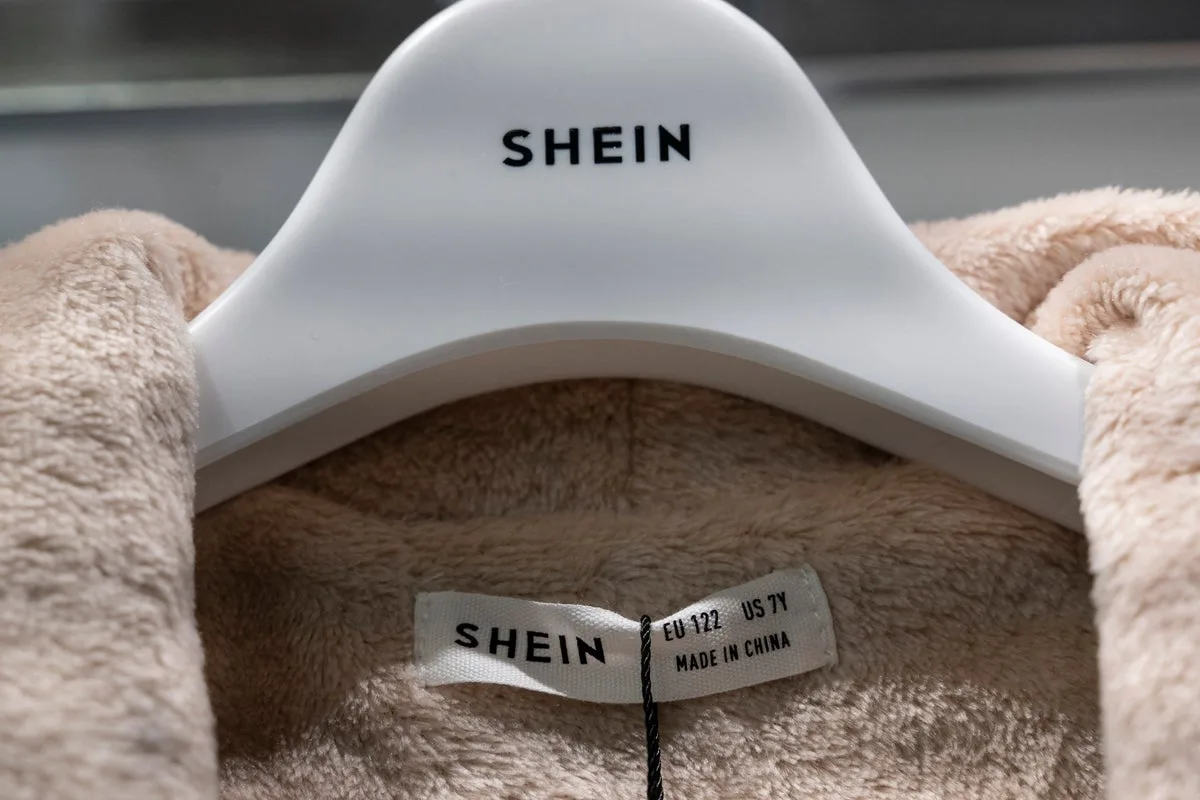
In a deal that has been likened to 'SeaWorld buying PETA,' Shein — the Chinese ultra-fast-fashion giant synonymous with cheap, mass-produced clothing — has reportedly acquired sustainable apparel brand Everlane for $100 million. The irony is hard to ignore: Everlane built its reputation as the ethical antidote to fast fashion, while Shein has faced years of criticism over its labor practices, environmental impact and relentless production model. The gulf between the two brands’ identities is so vast that one bewildered onlooker asked: 'Which Black Mirror episode is this?'
Everlane's Ethical Roots
As of Monday, Everlane’s website still proudly promotes its sustainability commitments, pledging to cut greenhouse gas emissions and achieve net-zero emissions by 2050. It’s an ethos the brand has stood by since its founding in San Francisco in 2011 by Michael Preysman and Jesse Farmer during the height of millennial consumer optimism. The brand quickly gained a loyal following for its minimalist basics and 'radical transparency' philosophy, giving shoppers detailed insight into how its products were made — and exactly how much they cost to produce. It was presented as a kind of fashion utopia, far removed from the mass consumption and relentless 24-hour trend cycle that came to define so many other brands.
Shein's Environmental Record
Shein, meanwhile, is widely seen as one of the industry’s biggest polluters. It produces an estimated 1 billion items per day, with around 450,000 products available in real time. According to the Synthetics Anonymous 2.0 report, its heavy reliance on virgin polyester and oil-intensive manufacturing generates carbon emissions comparable to around 180 coal-fired power plants — leaving an estimated 6.3 million tons of CO2 in its wake each year.
Why Everlane Agreed
So, why would Everlane agree to be absorbed by such a company? Well, according to multiple reports, Everlane has been carrying around $90 million in debt. It had struggled with post-pandemic demand shifts, rising costs, and intensifying competition among other ethical, minimalist clothing retailers. In practical terms, that debt burden meant the company had limited room to maneuver — and reports suggest shareholders are not expected to receive anything from the $100 million sale price, with the proceeds largely going toward settling liabilities and existing financial obligations. Everlane declined to comment when contacted by The Independent. Shein did not immediately respond.
Shein's Strategic Move
Aside from its obvious financial predicament — and presumably a lack of willing buyers — Shein’s motivations are about optics. Camille Moore, a branding expert at Third Eye Insights with nearly 200,000 followers on Instagram, thinks Shein is tapping into the quiet luxury movement through its acquisition of Everlane. Quiet luxury, the embrace of high-quality craftsmanship over flashy logos or gaudy displays of wealth, has been Everlane's forte through selling cotton T-shirts and linen trousers for premium yet affordable prices. Shein, then, could be on a mission to revamp its image and access a wider consumer base.
'It’s a smart acquisition,' says the branding expert. 'It’s answering the question of: Where does Shein go from here? How does it evolve? They have to grow, and the next evolution of Shein is embracing a different area of fashion. Clean fashion is becoming mass market, and there's enough of the consumer that will be able to support the acquisition of a company like Everlane.'
Other experts have noticed how Shein is angling for a rebrand in the market. Amrita Bhasin, a retail sustainability expert and CEO of the overstock redistribution company Sotir, agrees that the acquisition represents Shein's attempt to diversify its image. 'As Americans, we think of Shein as a first fashion Chinese company, but if they’re buying a San Francisco climate-conscious company, they’re really diversifying what they appear as,' says Bhasin. 'The company can have even more American customers, and a more affluent, premium consumer base.'
The Fall of DTC Retailers
Again and again, DTC retailers have struggled — and often failed — when trying to compete with companies built on wholesale distribution or large-scale mass production models. In the past five years alone, a string of companies from Everlane's era of clothing optimism have fallen from grace. There's been Allbirds — known for making sneakers out of ethical materials — which announced earlier this year that it was reinventing itself as an AI company, becoming 'NewBird AI.' Meanwhile, Outdoor Voices — once an Instagram-era athleisure darling — abruptly closed stores and laid off staff in 2024 after years of leadership instability and internal turmoil.
It’s not all doom and gloom, though. Quince, the San Francisco-based DTC clothing brand founded in 2018, has a similar business model and sells similar products to Everlane. It adopts the same ethical transparency pledges as Everlane, but the messaging is less in-your-face. Quince has managed to outpace Everlane due to its lower prices (the company was valued at $10.1 billion earlier this year, according to WWD.) At the time of writing, a box-cut tee made from essential cotton costs $38 at Everlane and $16 at Quince.
Consumer Skepticism
Quince’s more subtle approach to its environmental pledges may have worked in its favor. Hannah Teschler Dunning, a clean textile consultant who posts under the moniker Clean Clothing Chick to her 120,000 followers online, tells me there is a growing skepticism among shoppers about the sustainability claims being made by big brands. She argues that sustainability 'doesn’t mean anything anymore' to many shoppers. Everlane thrived in the 2010s when sustainability was 'the chic' thing, but that attitude has shifted. 'Everlane was revolutionary at the time… but sustainability has been commodified and greenwashed,' she says. 'Sustainability is now just an excuse to charge people different prices.'
She says that consumers have grown skeptical of corporate environmental claims and are less willing to pay premium prices for ethical branding. 'Sustainability lives in shades of gray because you have companies arguing that recycled plastic is sustainable, which is not true — plastic will be bad for the planet, no matter if it’s recycled or not.' Consumers, she argues, are increasingly unwilling to pay premium prices for ethical branding, especially during economic uncertainty. 'They are not making buying decisions based on what somebody is doing to save the turtles or not,' she says. 'There’s a niche group of people who will always do that, but most people don’t care.'
Teschler Dunning says Shein’s acquisition of Everlane is a PR move to 'do whatever they can to try to save face by taking over a sustainable company, but it's not going to work for them because sustainability's dead anyway.' Looking at Everlane’s future under Shein, Teschler Dunning believes that existing fans of the brand can wave goodbye to its former eco-friendly pledges. 'There's not a single shred of hope in terms of whether they're gonna be sustainable or not. It's a bad look for both involved.'
The Burden on Consumers
Consumers have become increasingly jaded by this kind of marketing, argues Bhasin, because it places the burden of sustainable shopping on the individual, creating a pressure many feel unable or unwilling to carry. 'When Americans are struggling, it's not fair that somebody should have to spend a higher portion of their paycheck just to feel like they are a good person or a good American by buying clothing that's more ethically sourced,' says Bhasin. She argues that the onus should be on the retailer, not the consumer.
What This Means for Fashion
A Shein acquisition would once have seemed unthinkable: the world’s most powerful fast-fashion giant absorbing a brand that built its identity in opposition to those very practices. The deal has inevitably shocked industry observers and fashion insiders alike. Yet the contradiction may ultimately say more about the modern consumer than it does about either company.
Everlane emerged at a time when shoppers believed their purchases could reflect their values. That paying more for a T-shirt might be a way of doing their bit for climate change. Fifteen years later, consumers seem less convinced. Years of corporate greenwashing, rising living costs and endless sustainability marketing have eroded trust in the idea that ethical clothing is honest and worth the price. And what Everlane does next, well, that’s up to Shein.






