
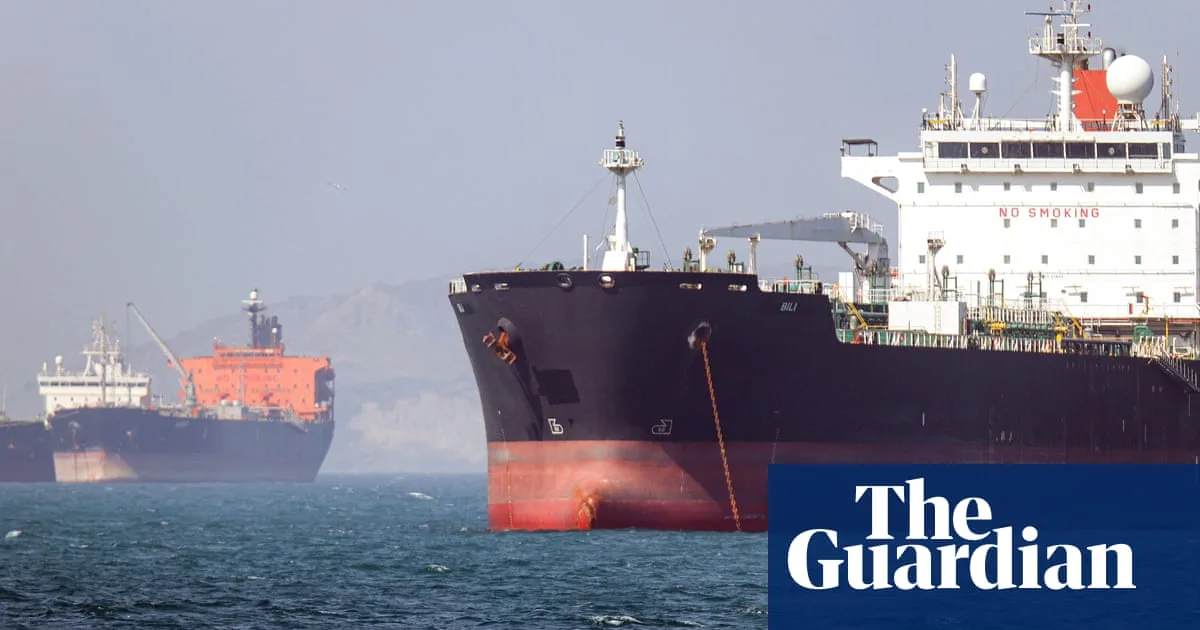
Donald Trump’s decision to shelve ‘Project Freedom’ days after its launch was driven by Saudi Arabia’s refusal to allow the US to use its bases and airspace to provide military escort for oil tankers through the Strait of Hormuz, according to reports.
Riyadh told the White House it would not permit the use of Prince Sultan airbase for the operation, which was billed as the successor to the bombing campaign ‘Operation Epic Fury’. Saudi Arabia maintained its objections despite a personal call between Crown Prince Mohammed bin Salman and Trump, NBC reported.
The confrontation underscores Saudi Arabia’s desire for a permanent end to the US-Israel war on Iran, in contrast to its more assertive Gulf neighbour, the United Arab Emirates. The UAE, frustrated with Riyadh’s caution, has already left the Saudi-dominated Opec and is considering leaving the Arab League.
Saudi Arabia feared Project Freedom lacked clear terms of engagement and could lead to a naval confrontation with Iran, effectively ending the ceasefire in place since 7 April. Iran had warned it would treat military escort of tankers as a breach, exposing Gulf states to further attacks, including drone and missile strikes on US bases and energy installations.
The Saudi intervention also reflects Riyadh’s lack of confidence in Trump’s handling of the conflict. One Saudi diplomat noted the US had landed itself in a conflict it could neither escalate nor exit. Trump made no reference to Saudi objections when he announced the suspension, claiming progress towards a deal with Iran due to Chinese intervention.
The decision undercut messaging from US officials who had said the operation would guarantee freedom of navigation. Saudi Arabia may also have been concerned about Houthi involvement; Riyadh has worked to keep the group out of the conflict and has an agreement with Iran safeguarding its pipeline to Yanbu.




