
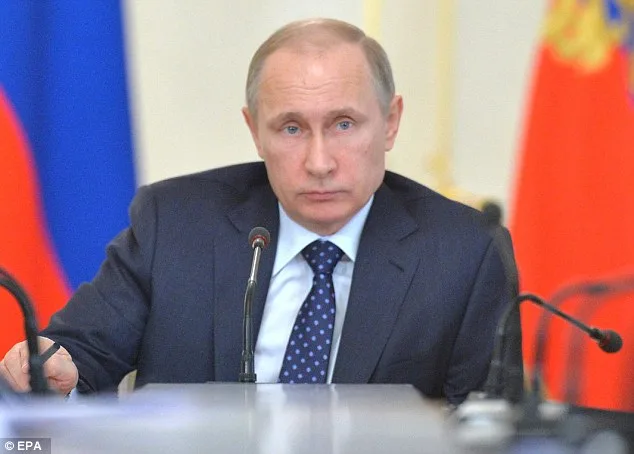
Vladimir Putin has reportedly threatened to use nuclear weapons to defend Crimea and drive NATO out of the Baltic states, according to leaked notes from a secret US-Russia meeting. The Kremlin warned that any attempt to return Crimea to Ukraine would be considered a declaration of war, prompting a forceful response including nuclear force.
The notes, seen by The Times, detail a spectrum of Russian responses—from nuclear to non-military—against NATO's growing presence in the Baltics. Russia also plans imminent 'destabilising actions' in Estonia, Latvia and Lithuania, likely involving cyber attacks or stoking ethnic tensions, to challenge NATO's defence commitments.
Other flashpoints identified include the conflict in eastern Ukraine and NATO's supply of weapons to Ukrainian forces, which Moscow described as a 'further encroachment' on its border. The Kremlin stated that the Russian people would demand a forceful response to such advances.
In response to heightened threats, Lithuania has reintroduced conscription, while NATO has established a rapid reaction force in the region. The revelations come ahead of a major military parade in Moscow on May 9, marking the 70th anniversary of World War II victory.




