
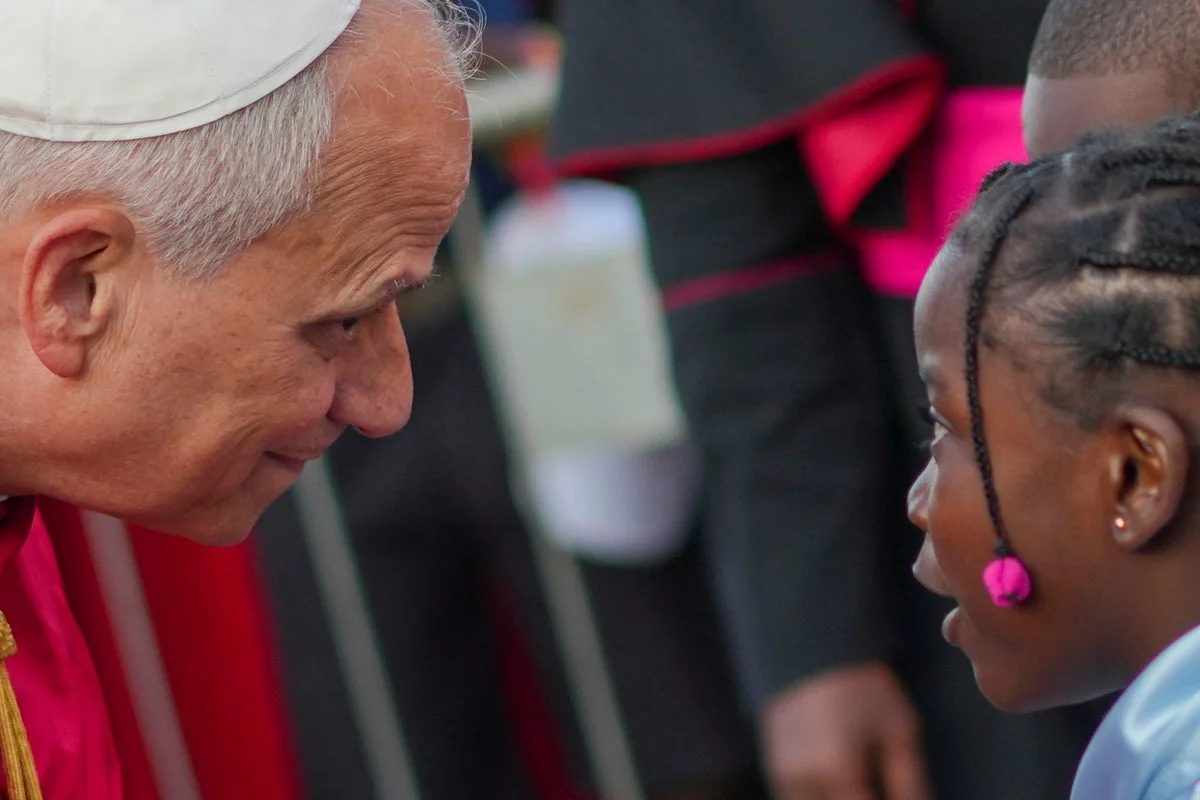
Pope Leo XIV arrives in Equatorial Guinea on Tuesday for the final leg of his four-nation African tour, facing perhaps the most delicate diplomatic challenge of his young papacy. The country is run by Africa's longest-serving president, Teodoro Obiang Nguema Mbasogo, 83, who has been in power since 1979 and faces accusations of widespread corruption and authoritarianism.
Oil discovered in the mid-1990s transformed the economy, accounting for nearly half of GDP and over 90% of exports, according to the African Development Bank. Yet more than half of the nearly two million people live in poverty. Rights groups and court cases in France and Spain have documented how revenues enriched the ruling Obiang family rather than the broader population.
The pope has shown he will not mince words on this trip. During a stop in Cameroon, he stood next to President Paul Biya and said: “In order for peace and justice to prevail, the chains of corruption — which disfigure authority and strip it of its credibility — must be broken.” Observers expect similar sharp messaging in Equatorial Guinea.
The Catholic Church, to which about 75% of the population belongs, is deeply intertwined with the government. Activist Tutu Alicante said the church operates partly out of fear and partly due to monetary gains from the regime. The Vatican's Rev. Fortunatus Nwachukwu stated the church must continue preaching justice without going to war with the government.
Equatorial Guinea ranks among the bottom 10 countries in Transparency International's corruption perception index. Regional advisor Samuel Kaninda noted the government has passed an anti-corruption law but stressed the need for an independent commission and judiciary. He expressed hope the papal visit would shed light on shortcomings and give locals hope, despite the risk of the government exploiting it for endorsement.
Locally, the visit is boosting business. Seamstress Tumi Carine, making dresses with Leo's image, said: “The coming of the pope brought us many customers. We are really grateful.” The last papal visit to Equatorial Guinea was by St. John Paul II in 1982.




