Pope Leo Rebukes US Leaders Over Religious Justification for Iran War
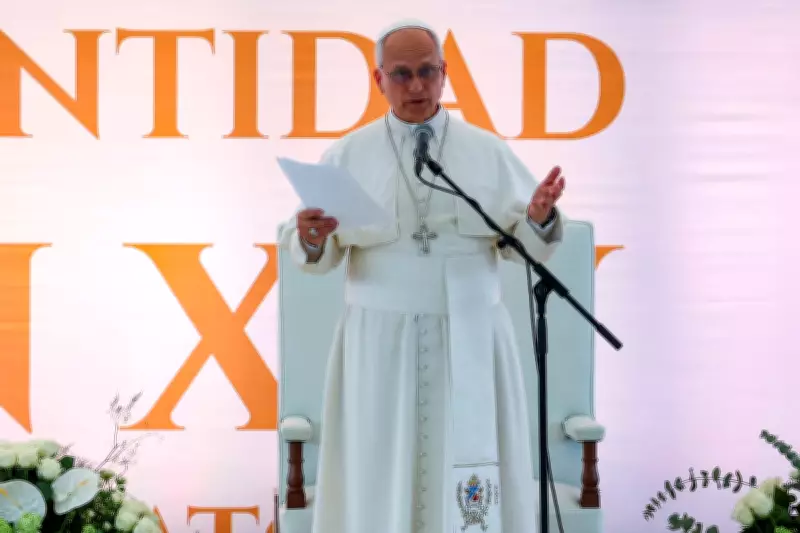
Pope Leo has delivered a powerful caution against the use of religion to justify violence, in what is widely interpreted as a direct rebuke of the ongoing Iran war. The Pontiff emphasised that God's name must not be profaned by desires for domination or employed to legitimise what he termed 'death-dealing choices and actions'. This statement marks a significant intervention in the geopolitical landscape, highlighting the ethical dimensions of the conflict.
US Administration's Religious Messaging Draws Criticism
The Pope's remarks follow controversial statements from the US administration, particularly Defense Secretary Pete Hegseth, who has invoked Christianity in the context of the Iran war. Hegseth has been reported praying for 'wicked souls' to face 'eternal damnation', a stance that has sparked widespread criticism. Military and constitutional experts have condemned these comments as undermining the fundamental principle of the separation of church and state, with even some political allies expressing discomfort over the religious rhetoric.
Diplomatic Tensions Escalate with Trump and Vance
The Pope's firm stance has ignited a diplomatic dispute with the US administration. Former President Donald Trump has publicly criticised Pope Leo's foreign policy views, while Vice President JD Vance issued a warning for the Pontiff to 'be careful' when discussing theological matters. In response, Pope Leo has affirmed his commitment to speaking out, declaring he will not be silenced on issues of moral and ethical importance. This exchange underscores the growing tensions between religious leadership and political authority in international affairs.

Broader Implications for Religious and Political Discourse
The controversy raises critical questions about the role of religion in justifying military actions and the boundaries of religious freedom in political discourse. As the Iran conflict continues, the Pope's intervention serves as a reminder of the need for ethical considerations in warfare, challenging leaders to reflect on the moral implications of their decisions. The ongoing debate highlights the delicate balance between faith and statecraft in a complex global environment.