Norway's Development Minister Champions Foreign Aid as a Democratic Imperative
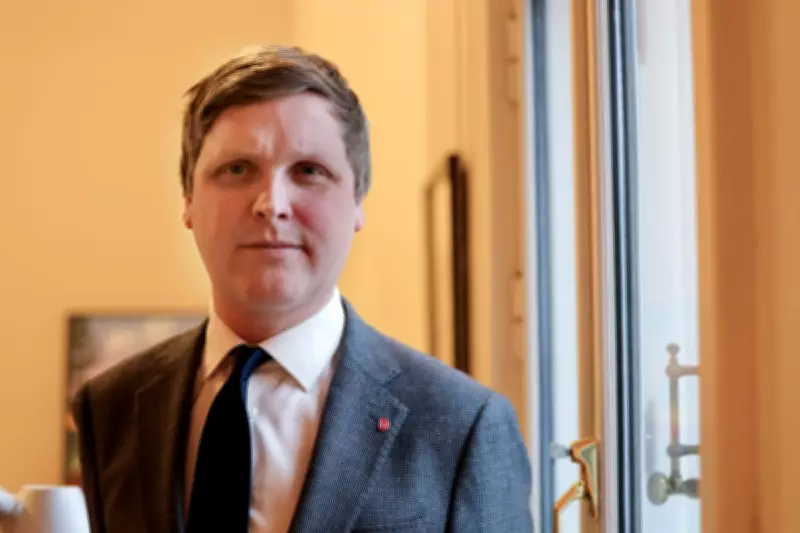
In an exclusive interview, Norway's Development Minister Åsmund Aukrust has articulated a compelling case for maintaining robust foreign aid, framing it as a critical defence of democratic values. Norway continues to allocate one per cent of its Gross National Income (GNI) to development assistance, a stark contrast to recent cuts in other European nations like the UK, France, and Germany.
A Personal Commitment Forged in Tragedy
Minister Aukrust's dedication to politics and global solidarity is deeply personal. In 2011, as a 26-year-old Labour Party youth member, he survived the Utøya island mass shooting, part of Norway's worst terror attack by Neo-Nazi Anders Breivik, which claimed 69 lives. This harrowing experience, he says, has profoundly shaped his worldview, highlighting the life-and-death stakes of political engagement and the fight against hatred and discrimination.
"For me, it highlighted how vitally important politics is – that it is quite simply a matter of life and death," Aukrust reflects. "Being exposed to racism, discrimination and hatred – there is hardly anything worse than that."

Financial Privilege and Principled Stance
Norway's ability to sustain this level of aid is underpinned by its vast sovereign wealth fund, valued at over $2 trillion, derived from oil and gas revenues. However, Aukrust emphasises that the commitment transcends financial capacity. It is rooted in a tradition of international solidarity dating back to post-World War II aid programmes in India, aimed at upholding the UN Charter and a rules-based global order.
"I am very concerned with the financial crisis around development, and also with the political crisis we are facing with attacks on the fundamental principle of multilateralism," he states, noting that Norway's security as a small nation depends on international law protecting against threats, including from neighbouring Russia.
Addressing Global Crises and Inefficiencies
Amid ongoing conflicts in Ukraine, Gaza, and Sudan, Norway has announced significant support for war victims. Aukrust acknowledges inefficiencies in aid delivery, advocating for UN reforms and a new domestic development strategy to enhance effectiveness through stakeholder input. Unlike countries linking reforms to budget cuts, Norway aims to spend its aid more efficiently without reducing funding.
"The aim is not to cut our funding, but to spend it more effectively," he explains, criticising the tendency to view aid reductions as a solution. "I think too often aid and development is only criticised by those who want to reduce it, and I think it is important that we become better at criticising ourselves."
Focus on Climate Change and Gender Equality
Norway's aid priorities increasingly emphasise climate change and women's rights, areas where traditional donors like the US have retreated. Aukrust stresses the linkage between climate and development, citing Norway's $3 billion pledge to the Tropical Forest Forever Facility at Cop30. On gender, he affirms a clear political stance on sexual and reproductive rights, despite challenges from policies like the US Mexico City policy.
Kaj-Martin Georgsen of CARE Norway notes growing complexities in gender-focused programmes due to funding cuts and political attacks, urging a long-term view of aid as building resilient societies.
Domestic Pressures and Future Outlook
While Norway faces domestic criticism, including from the opposition Progress Party advocating aid cuts and left-wing concerns over shifting allocations, public opinion largely supports high aid levels. Aukrust defends current priorities, such as increased funding for Ukraine and Palestine, citing immense global needs.
Despite populist trends elsewhere, Aukrust remains hopeful, inspired by humanity in crisis zones. "What really gives me hope when I travel to crises or conflict-affected places is to meet with people, so many good people, that even in the darkest hours are able to take care of each other," he says, affirming that global solidarity through aid can overcome current challenges, much like past adversities.