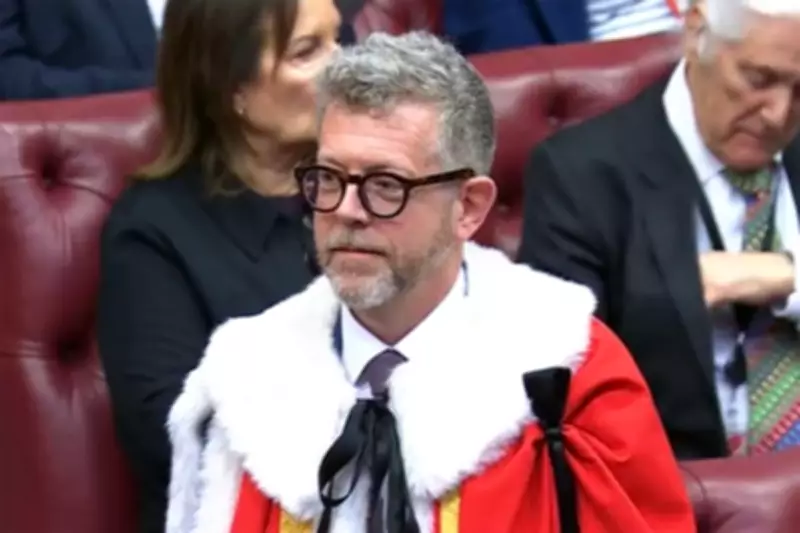
Sir Olly Robbins, a former senior civil servant at the Foreign Office, has disclosed that Downing Street actively considered appointing Lord Matthew Doyle as an ambassador, creating what he described as an "atmosphere of pressure" over the proposal. In a revealing account, Sir Olly expressed his discomfort with the plan, advising against it, especially as it coincided with a period when senior diplomats were facing potential job losses due to government cuts.
Secret Discussions and Bypassing the Foreign Secretary
Sir Olly revealed that Downing Street initiated multiple discussions with him about a "head of mission opportunity" for Lord Doyle, with explicit instructions not to inform the then foreign secretary about these talks. This secrecy raised eyebrows within diplomatic circles, suggesting a potential circumvention of standard appointment protocols.
Consultation with Lord Mandelson
It was also suggested that Lord Mandelson, a prominent Labour figure, was consulted regarding a potential role for Lord Doyle within the US diplomatic network. This involvement of a senior political ally further complicated the situation, blurring the lines between political patronage and diplomatic meritocracy.

Background on Lord Matthew Doyle
Lord Doyle, who resigned as the Prime Minister's communications chief in March of last year, had the Labour whip withdrawn earlier this year after campaigning for a friend charged with possessing indecent images of children. This controversial background has raised significant concerns about the Prime Minister's judgment in considering him for such a sensitive diplomatic position.
Timing and Ethical Concerns
The timing of these discussions is particularly noteworthy, occurring during a period of austerity measures that threatened the jobs of experienced diplomats. Sir Olly's advice against the appointment highlighted the ethical dilemma of promoting a politically connected individual while career diplomats faced uncertainty.
The revelations from Sir Olly Robbins shed light on the internal pressures within government regarding diplomatic appointments and raise questions about transparency and due process in such matters.