
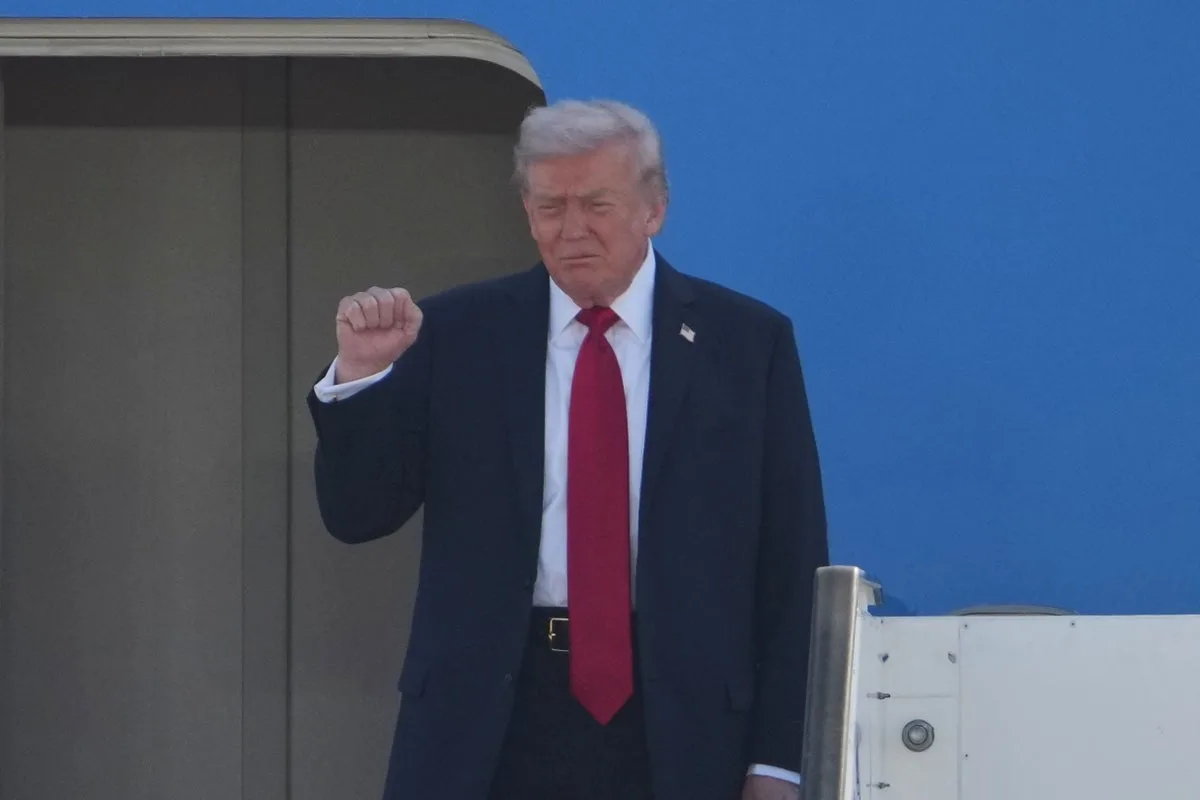
Donald Trump's role in securing a ceasefire and hostage deal in Gaza has drawn comparisons to Tony Blair's peacemaking efforts. While Blair's intervention in Kosovo led to children named Tonibler, Trump's success may inspire a new generation named Donald. However, experts note that the deal closely resembles one proposed by Joe Biden a year ago, which failed due to timing and Netanyahu's reluctance.
Trump's unconventional diplomacy and forceful personality pressured Israeli Prime Minister Benjamin Netanyahu into accepting terms he previously rejected. A year ago, Netanyahu believed he could avoid a deal, but Israel's growing isolation after controversial military tactics and a missile attack on Hamas in Qatar shifted the balance. This gave Trump the leverage needed to broker an agreement.
The path to peace remains fraught with challenges. Key questions include whether Hamas will disarm, who will govern Gaza, and how reconstruction will be funded. The 20-point peace plan requires sustained effort, reminiscent of the Good Friday Agreement in Northern Ireland, which took years to implement fully.
Trump's ability to maintain focus on the long-term process is uncertain. While he has demonstrated intense determination, his attention span is notoriously short. The grunt work of ensuring lasting peace—decommissioning weapons, reforming security forces, and building political institutions—lies ahead. As history shows, even successful agreements require continuous political will to endure.




