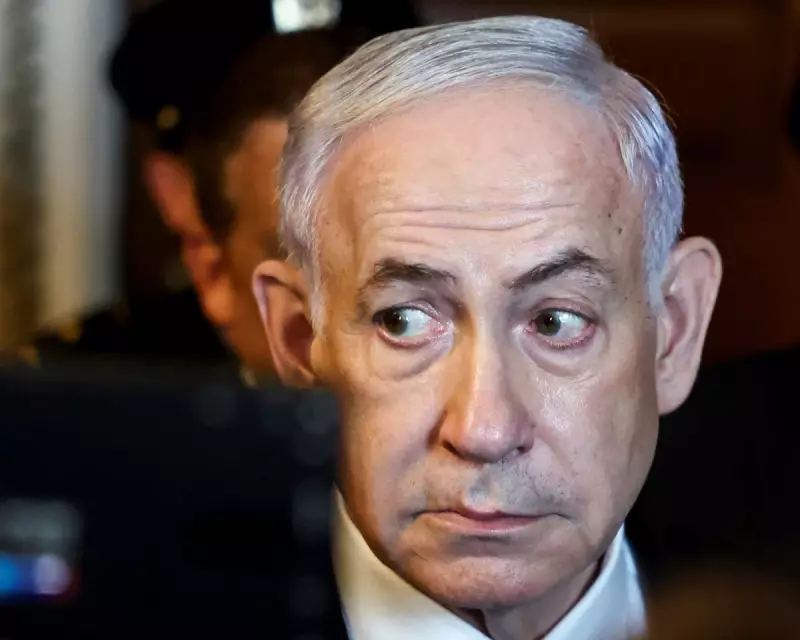
Benjamin Netanyahu, Israel's long-serving Prime Minister, finds himself at the centre of a political storm following the controversial ceasefire agreement with Hamas. The deal, intended to halt months of deadly conflict in Gaza, has instead ignited fierce debate across Israel and drawn sharp criticism from international allies.
A Nation Divided
The ceasefire terms have exposed deep rifts within Israeli society. While some praise Netanyahu for ending the bloodshed, others accuse him of capitulating to terrorist demands. Right-wing factions within his own government have threatened to withdraw support, potentially collapsing the fragile coalition.
International Backlash
Diplomatic relations have suffered as key allies question Israel's strategic decisions. The United States, traditionally Israel's staunchest supporter, has expressed reservations about the agreement's long-term viability. Meanwhile, Palestinian authorities claim the deal fails to address core humanitarian issues in Gaza.

Political Reckoning Looms
Analysts suggest this crisis may mark a turning point in Netanyahu's political career. With corruption trials ongoing and public trust eroding, the Prime Minister faces perhaps his greatest challenge yet. The coming weeks will test whether his legendary survival instincts can prevail once more.
As tensions simmer, the international community watches anxiously. This fragile truce could determine not just Netanyahu's political future, but the trajectory of Middle East peace efforts for years to come.