Milan Erupts in Protest Over ICE Agents at Winter Olympics
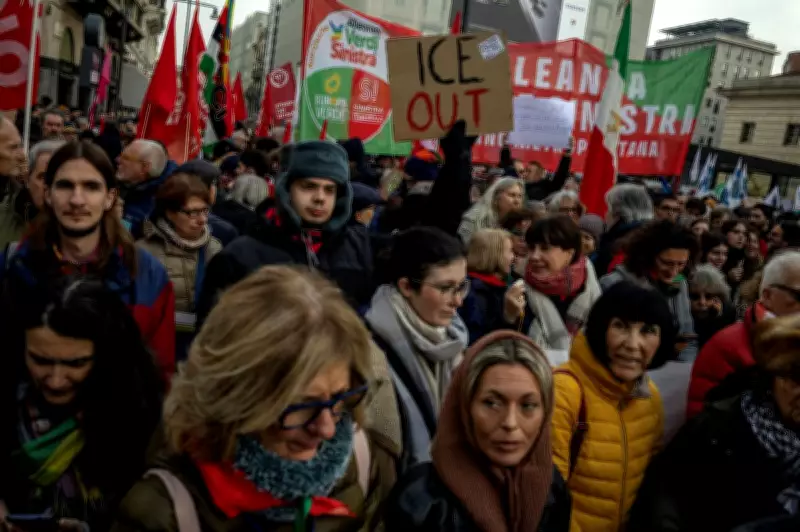
Hundreds of Italian demonstrators took to the streets of Milan on Saturday, voicing strong opposition to the involvement of US Immigration and Customs Enforcement (ICE) agents in the upcoming Winter Olympics. The protests, which saw participants blowing whistles and singing Bruce Springsteen songs, directly mirrored tactics employed by anti-ICE activists in the United States, highlighting a transatlantic solidarity against the agency's presence.
Background to the Controversy
ICE staff are scheduled to provide security for the US delegation at the Games, set to take place from 6th to 22nd February across Milan and Cortina d'Ampezzo. This decision has sparked significant uproar throughout Italy, with many citizens expressing deep concern over the agency's role. The backlash is primarily fuelled by recent tragic events in the United States, including the fatal shootings of US citizens Renee Good and Alex Pretti by federal agents in Minnesota, which have intensified public scrutiny and distrust towards ICE operations.
Local and Political Reactions
Milan's mayor, Giuseppe Sala, has been vocal in his disapproval, earlier declaring that ICE is "not welcome" in the city. This stance reflects broader Italian sentiments, as the protests underscore a growing unease with foreign law enforcement agencies operating on Italian soil during an international sporting event. The demonstrations have drawn attention to the ethical and diplomatic implications of such security arrangements, raising questions about sovereignty and human rights protections.

Implications for the Games
As the Winter Olympics approach, the ongoing protests could pose challenges for event organisers and local authorities in Milan. The involvement of ICE agents has not only galvanised local activists but also resonated with global movements critical of US immigration policies. This situation adds a layer of complexity to the Games, potentially impacting security protocols and international relations between Italy and the United States. Observers are closely watching how Italian officials will navigate these tensions while ensuring a safe and successful event for all participants and spectators.