Middle East Conflict Escalates as Iran and Israel Exchange Devastating Strikes
Middle East War Escalates with Iran-Israel Strikes

Middle East Conflict Intensifies with Cross-Border Strikes

The ongoing war in the Middle East has escalated dramatically, with Iran continuing its assault on Gulf nations while Israel launched intense airstrikes targeting Tehran and Beirut early on Friday. This new phase of retaliation marks the culmination of a full week of sustained bombardment, with US Secretary of War Pete Hegseth warning that the conflict is "about to surge dramatically" in intensity and scope.

Iran's Retaliatory Offensive Across the Region

The Islamic Republic had previously vowed that the United States would "bitterly regret" torpedoing one of its warships, and has now followed through with hundreds of drones and missiles targeting its Arab neighbors. Early on Friday, Iran fired missile and drone attacks into Kuwait, Qatar, Saudi Arabia, and Bahrain—all nations that host significant US military forces. While there were no immediate reports of casualties from these strikes, the attacks have disrupted regional stability and international travel.

In Bahrain, air raid sirens sounded as Iranian strikes targeted two hotels and a residential building, though authorities reported no casualties. Qatar's Defence Ministry confirmed it intercepted a drone attack targeting Al Udeid Air Base, which hosts the forward headquarters of US Central Command. Similarly, Saudi Arabia's Ministry of Defence reported intercepting and destroying three ballistic missiles fired toward Prince Sultan Air Base south of Riyadh, another facility hosting American forces.

Wide Pickt banner — collaborative shopping lists app for Telegram, phone mockup with grocery list

Israel's Broad-Scale Military Response

Meanwhile, Israel's military announced it had begun "a broad-scale wave of strikes" on Tehran, Iran's capital, with witnesses describing particularly intense airstrikes that shook homes throughout the area. Additional explosions were reported around the Iranian city of Kermanshah, an area known to house multiple missile bases. The Israeli military claimed these strikes have already destroyed most of Iran's air defense systems and missile launchers, significantly degrading their military capabilities.

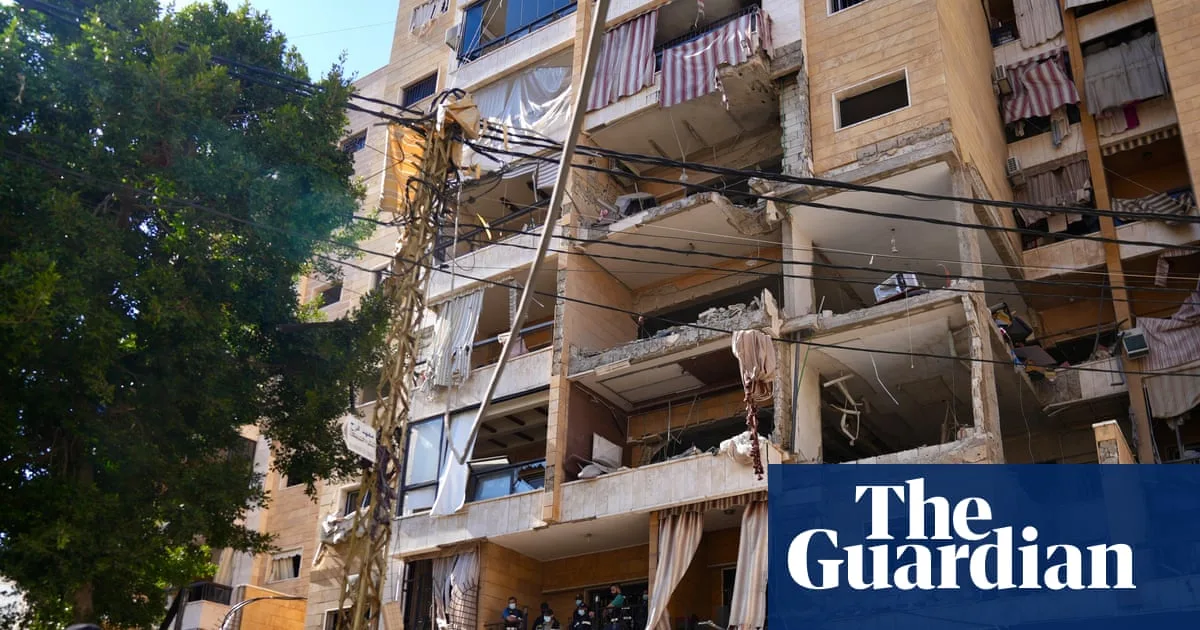
In Lebanon, where fighting between Israel and Iran-allied Hezbollah militants has intensified, Israel launched a series of airstrikes late Thursday and into Friday targeting the southern suburbs of Beirut and other strategic areas. The attacks caused panic among civilians, with motorists jamming roads as they attempted to flee or seek shelter from the bombardment.

Human Toll and Military Developments

The conflict has resulted in significant casualties across the region. According to official reports, at least 1,230 people have been killed in Iran, more than 120 in Lebanon, and approximately a dozen in Israel. Additionally, six US troops have lost their lives in the hostilities.

The US military reported striking an Iranian drone carrier early on Friday, setting the vessel ablaze. US Central Command released black-and-white footage showing the burning carrier, identified as the IRIS Shahid Bagheri—a converted container ship featuring a 180-meter runway for drones. Admiral Brad Cooper, head of US Central Command, described the carrier as "roughly the size of a World War II aircraft carrier" and confirmed it was actively burning during his briefing.

Political Rhetoric and Strategic Warnings

Speaking alongside Admiral Cooper, Secretary Hegseth provided few details but promised an upcoming surge in military operations, stating: "It's more fighter squadrons, it's more capabilities, it's more defensive capabilities. And it's more bomber pulses more frequently." During a press conference in Tampa, Hegseth warned that strikes on Iran would "surge dramatically," adding: "We have only just begun to fight and fight decisively. If you think you've seen something, just wait."

Hegseth also criticized international allies for not providing immediate access to military bases, specifically mentioning that Britain's refusal to allow attacks from British bases from day one was "unfortunate." He emphasized: "The amount of firepower over Iran and over Tehran is about to surge dramatically."

Pickt after-article banner — collaborative shopping lists app with family illustration

Regional Implications and Future Projections

The conflict has expanded to affect countries across the Middle East and beyond, disrupting oil supplies and snarling global air travel. Hegseth suggested that former President Trump would have "a heck of a say in who runs Iran given the ongoing operation," while Iran's threats were met with strong rhetoric from US leadership urging members of the Iranian Revolutionary Guard Corps, military, and police to lay down their arms or face consequences.

The US leader declared it was "too late" for Iran to negotiate and told Iranian diplomats worldwide to defect and be "on the right side of history." He also claimed Iran had reached out to "make a deal" to end US military operations, but responded: "You're being a little bit late, and we want to fight now more than they do." Additional claims included that the Iranian navy "is gone" with 24 ships destroyed in three days, and that "they have no air force, they have no air defense."

The United States military, working alongside Israeli partners, continues what they describe as a campaign to "totally demolish the enemy, far ahead of schedule and at levels that people have never seen before." As the conflict enters this dangerous new phase, regional stability hangs in the balance with no immediate resolution in sight.




